
The differences in the formation processes of freshwater pearls and seawater pearls are as follows:
Stimulus Source
Freshwater Pearls: In the natural environment, it may be caused by foreign objects such as sand grains or parasites that accidentally enter the mussel. In artificial cultivation, small pieces of the mussel's mantle are usually cut and implanted into the mantle tissue of another mussel to serve as a stimulus source, prompting it to secrete nacre.
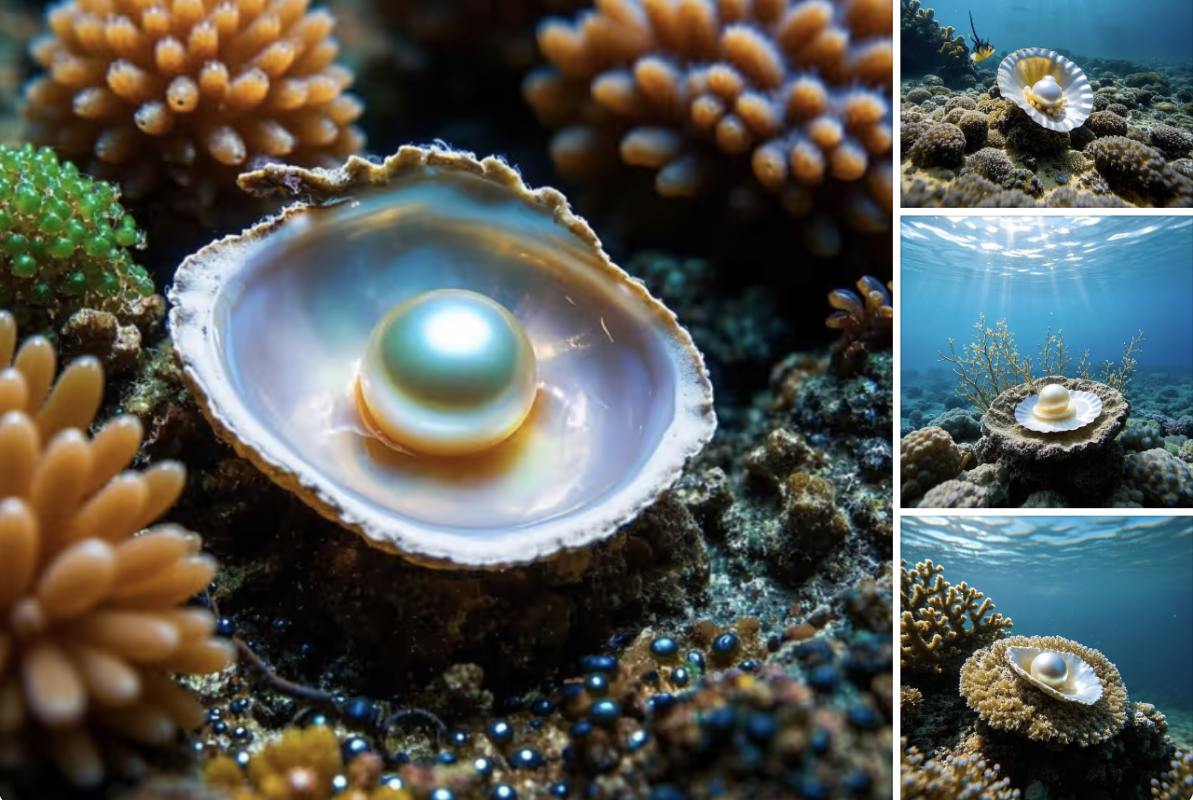
Seawater Pearls: In their natural state, they may be caused by tiny organisms or sand grains in the ocean entering the shellfish. For the artificial cultivation of seawater pearls, a pearl nucleus made of clam shells or other materials is implanted into the shellfish as the core for pearl formation, stimulating the shellfish to secrete nacre.
Secretion Process
Freshwater Pearls: Taking the Hyriopsis cumingii as an example, when a foreign object appears in its body, it will gradually secrete nacre, producing only a small piece at a time. Over time, these thin flakes of nacre gradually accumulate, enveloping the foreign object to eventually form a pearl.
Seawater Pearls: After being stimulated by the pearl nucleus or foreign objects, the epithelial cells of the mantle of the shellfish will quickly secrete nacre, precipitating layer by layer around the pearl nucleus or foreign object to form a pearl layer on the surface of the pearl nucleus, thus forming a pearl.
Formation Time
Freshwater Pearls: Generally, nucleated freshwater pearls have a relatively longer growth cycle, usually taking 3 to 5 years or more; non-nucleated freshwater pearls usually have a growth cycle of 2 to 3 years.
Seawater Pearls: The growth cycle is generally 1 to 3 years. For example, Tahitian pearls and South Sea pearls may have a growth cycle of 2 to 3 years, while Japanese seawater pearls have a relatively shorter growth cycle of about 1 to 2 years.
Involved Shellfish
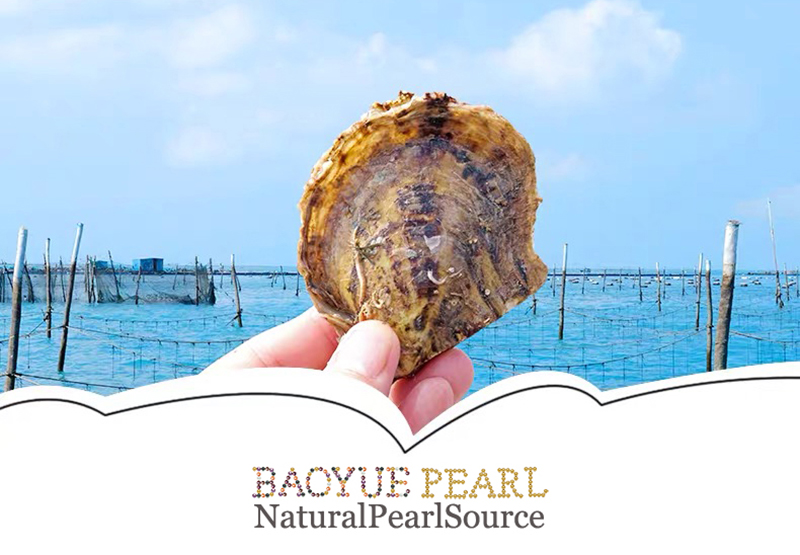
Freshwater Pearls: Mainly cultivated by freshwater mussels, such as Hyriopsis cumingii and Cristaria plicata.
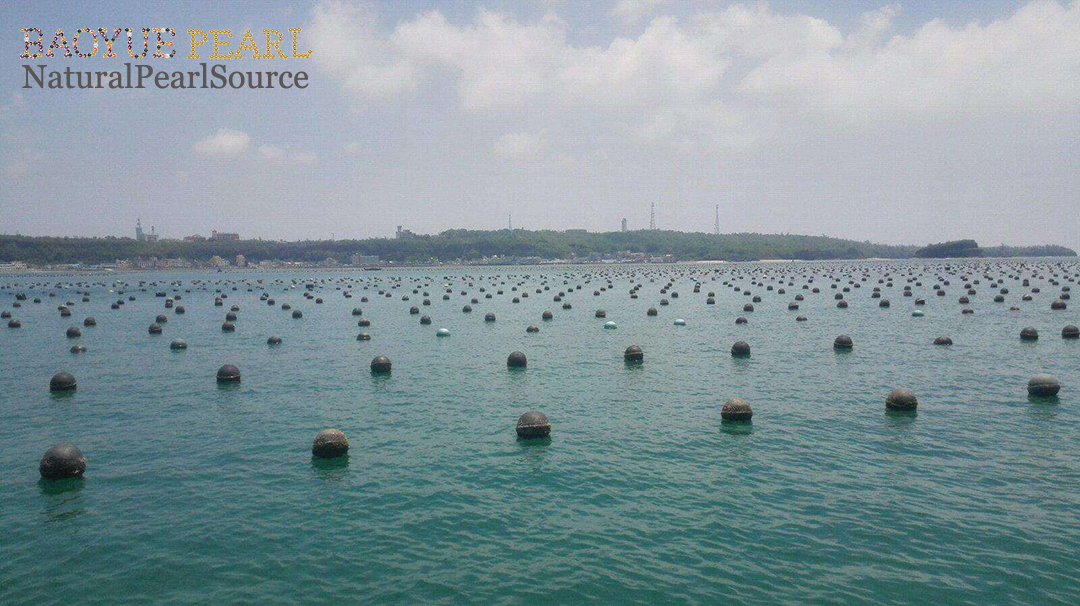
Seawater Pearls: Produced by marine shellfish, such as Pinctada martensii, Pinctada maxima and Pinctada margaritifera.
Pearl Quantity
Freshwater Pearls: Typically, one freshwater mussel can produce multiple pearls.
Seawater Pearls: Generally, one seawater shellfish can mostly produce only one pearl.

Got a question about a product ? Need someone to help guide you through our website ?
Got feedback? Go to BAOYUE Pearl Education page to read some relevant articles about pearls.
For Normal Questions, please check FAQ , and for other question, feel free to Contact Us , we make it easy for you to get in touch with us !
