Author Archives: pearlstrand

Hanadama Akoya Pearls

The Ultimate Insider’s Guide to Hanadama Akoya Pearls

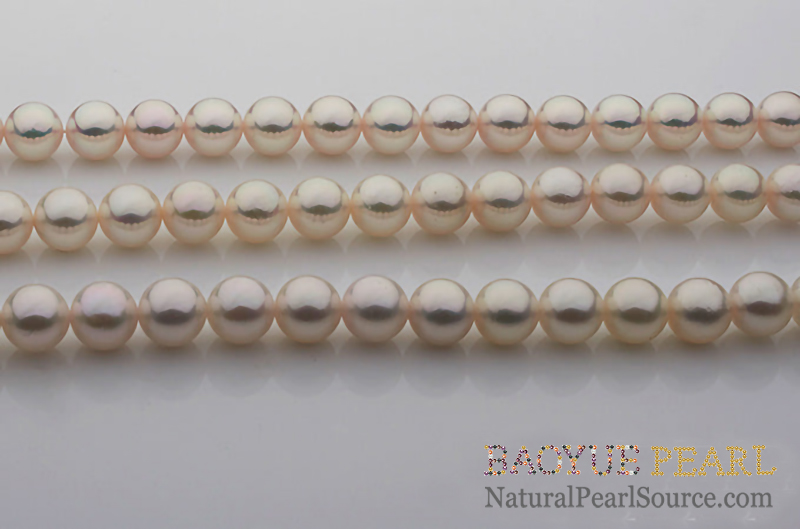
I get so, so many questions about our Hanadama pearls! What are they? What makes them special? Are they worth the price? So I put together this sweet Insider’s Guide to Hanadama Pearls for you. In it you will learn what makes these pearls so special, what to look for, compare actual pictures of our Hanadama to our competitors and more.
By the time you’re finished reading this article, you’ll practically be an expert !

BAOYUE PEARL wholesale natural freshwater pearls All sizes All grade with low prices.
From this article to navigate what pearl size and color you should buy.

Hanadama Pearls - What’s in a Name?
The term “Hanadama” was coined by the father of cultured pearls himself, Kokichi Mikimoto. He used this term to designate his finest, most beautiful Akoya pearls.
“Hanadama” directly translates from Japanese to “Spherical Flower” and are also often called “Flower Pearls” by those in the trade. The delicate shades of pink shimmering over their surfaces are said to be reminiscent of the famous Cherry blossoms that bloom throughout Japan in the Springtime.

What makes Hanadama pearls so special
Luster, luster, luster, and orient !

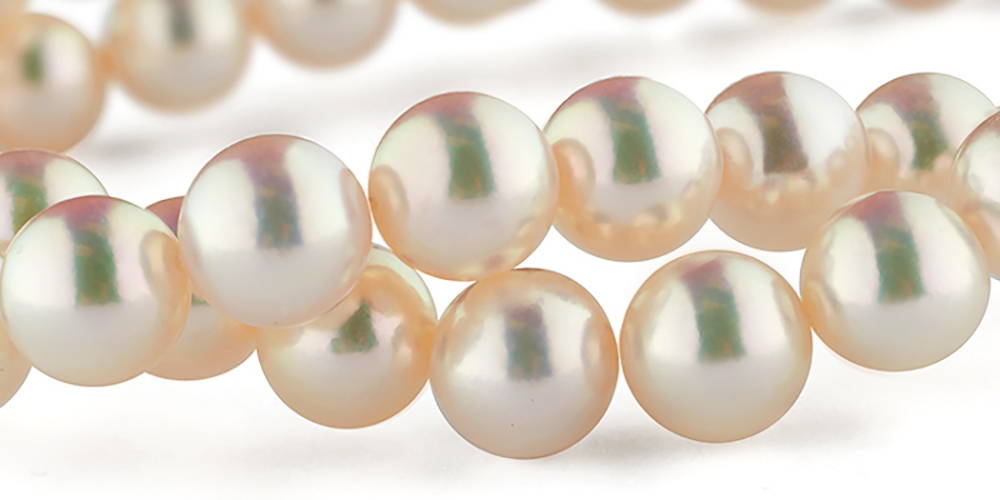
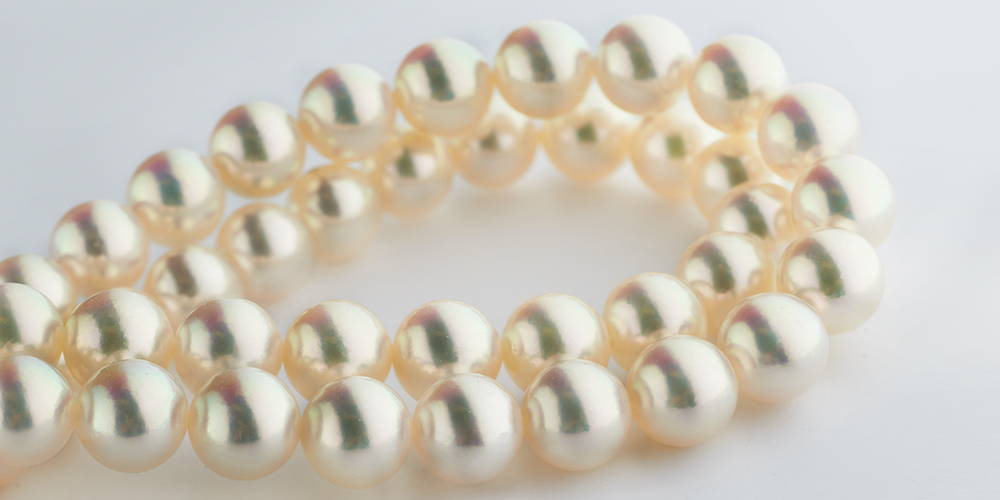
These two attributes, above all others, make a pearl valuable. The brighter and more iridescent a pearl is, the prettier it is. The luster and orient on Japanese Hanadama Akoya pearls is certified to be the very highest and strongest of all Akoya pearls.
These attributes are analyzed and certified to meet specific levels set by the Pearl Science Laboratory of Tokyo, Japan. The PSL is the foremost authority on Hanadama pearls, and the only official Hanadama grading lab in the world.

Pearl Science: What is Luster and Orient?

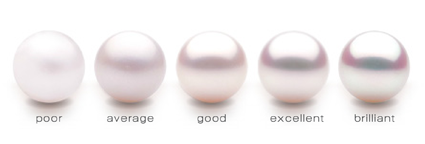
Luster is the pearl attribute that quantifies the amount of, brightness of and sharpness of light being reflected from the surface or just under the surface of the pearl. Hanadama Akoya pearls should feature extremely sharp luster – light sources reflected on the surface of the pearl will be very sharp and crisp, with almost no satining or blurring around the edges. You’ll be able to see your detailed reflection smiling back at you when you examine the pearls.
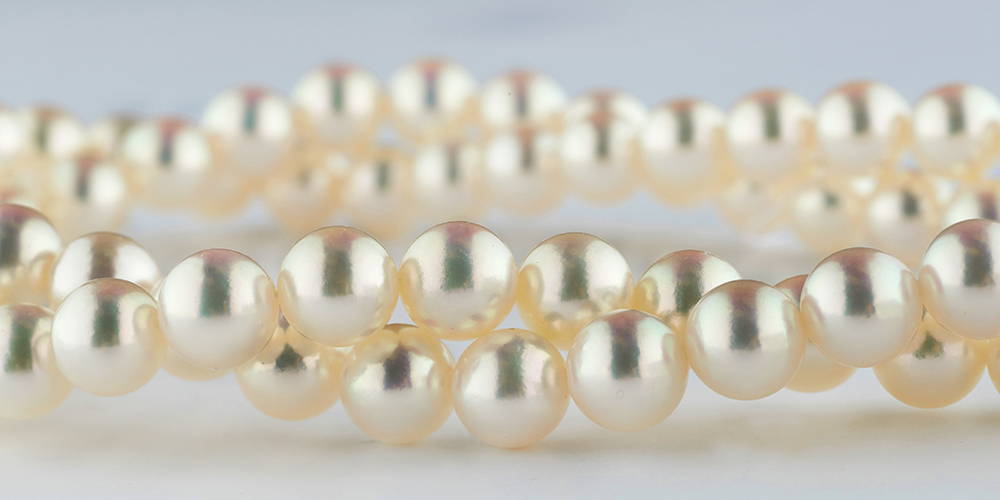
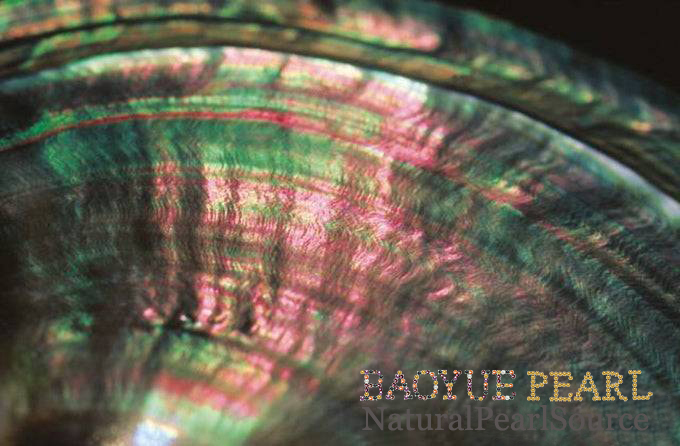
Orient is the iridescent “soap bubble” effect seen only on the finest pearls. White light striking and penetrating the various nacre layers is broken into its spectral rainbow (much like the ‘fire’ in a diamond) and bounced back at the viewer.
These “attributes” are two of the three defining characteristics of Hanadama pearls. The third is nacre thickness. Neither fine luster nor orient would be possible without thickly layered, and tightly compacted crystalline nacre. This is a key element to consider when grading pearls of fine quality.
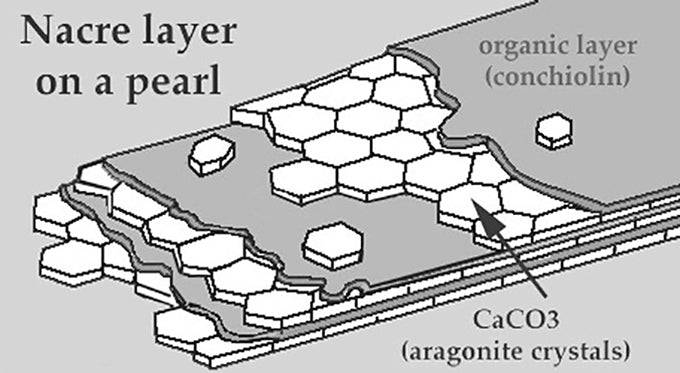
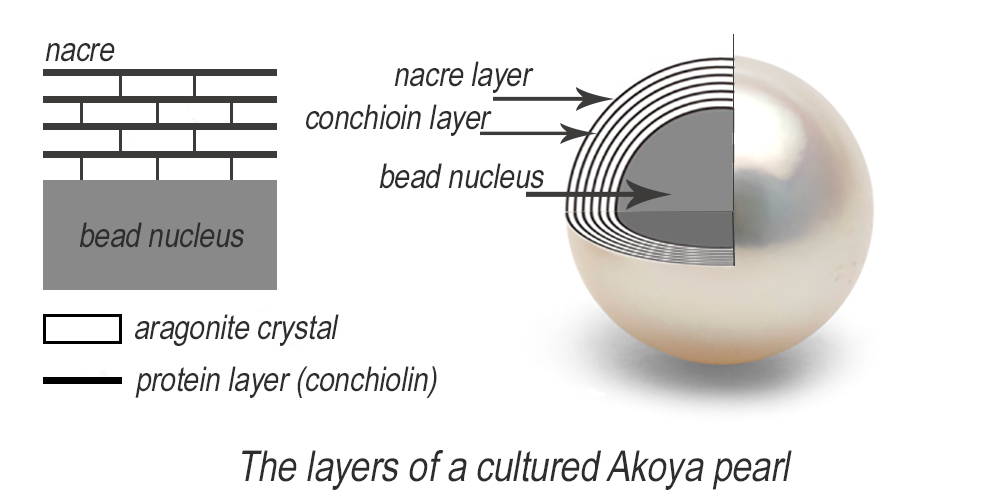
Nacre is the term used to sum up all the aspects of the crystalline platelets that make up the body of the pearl surrounding the nucleus. It is composed of microns-thin transparent aragonite platelets (themselves made on crystallized calcium carbonate or CaCo3), and densely layered with conchiolin – an organic glue of sorts - in concentric layers around the mother of pearl bead nucleus. See the diagram below for a visual example.
 

Hanadama Certificates – A Complete Breakdown

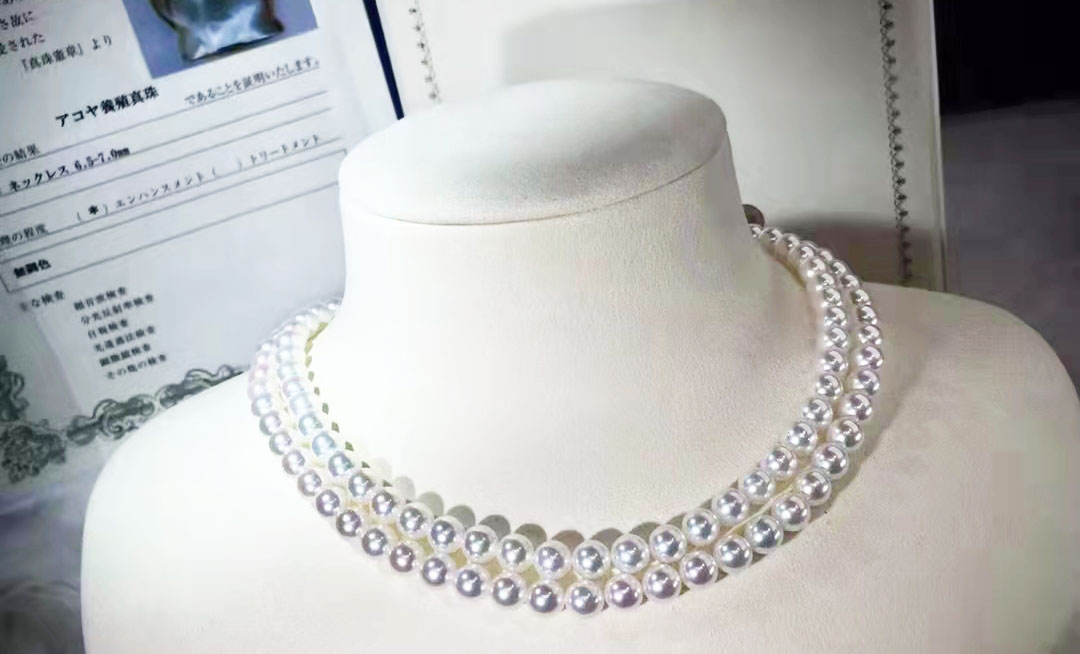
Below is a copy of a Hanadama Akoya Pearl Necklace certificate, as issued by the Pearl Science Laboratory of Tokyo, Japan. The most pertinent information is highlighted and explained in detail.
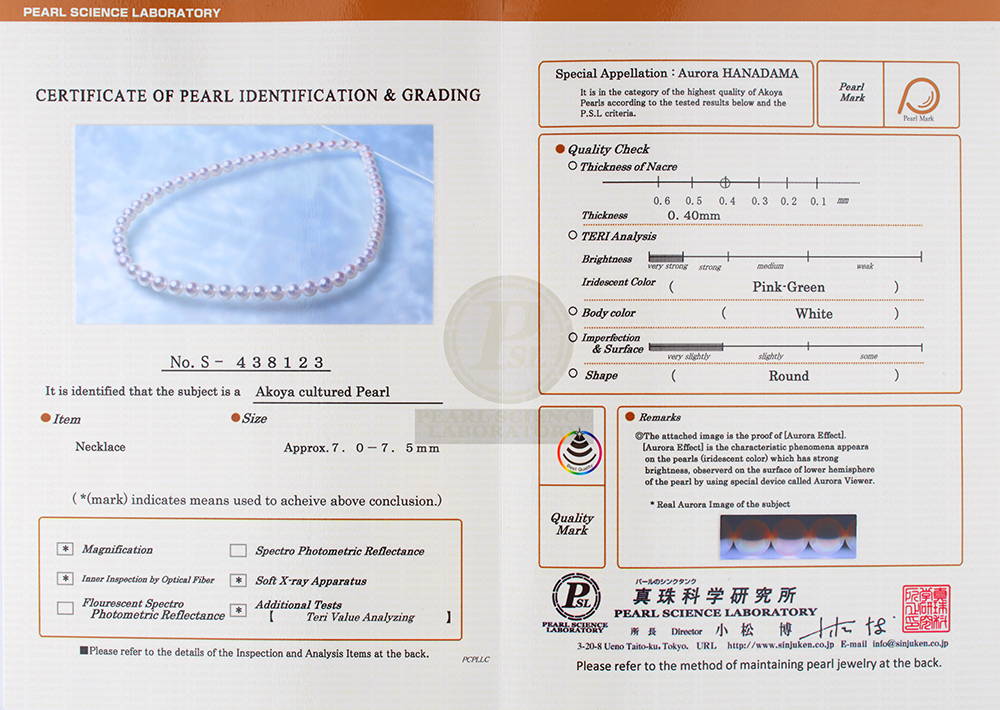
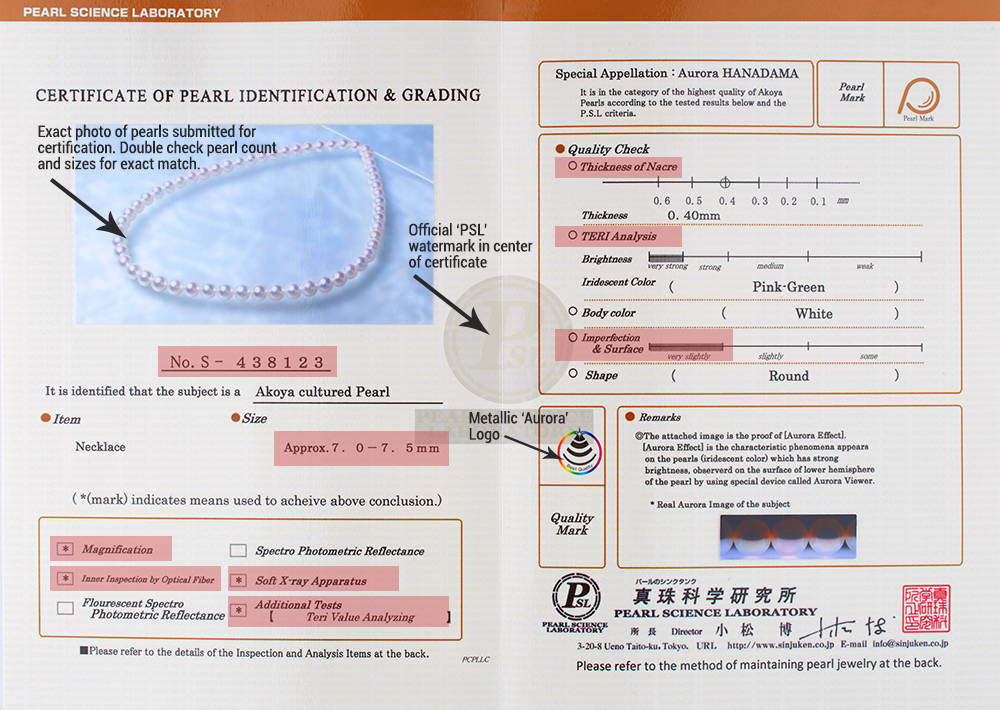
The tests used by the PSL to certify a strand of pearls “Hanadama” are:

Magnification – this is a surface quality inspection, ensuring that the blemish rate is “very slightly” blemished*, with less than 5% inclusions allowable per pearl, and for the strand overall. Only 1 single “deep” inclusion is allowable for an entire strand of pearls.

A special note about surface blemishing on Hanadama pearls: Pearls may never be described as “flawless” or “blemish-free”. As organic gemstones created through a natural process, all pearls will display some type of surface inclusion or feature … even pearls that are clean to the eye will reveal inclusions under 10x magnification. Per the FTC: § 23.26 Misuse of the words "flawless," "perfect," etc. (a) It is unfair or deceptive to use the word "flawless" as a quality description of any gemstone that discloses blemishes, inclusions, or clarity faults of any sort when examined under a corrected magnifier at 10-power, with adequate illumination, by a person skilled in gemstone grading.

To learn more about common Akoya pearl inclusions, visit: The Insider's Guide To Akoya Pearl Grading

Inner Inspection by Optical Fiber – tests nacre depth at random intervals throughout the strand. Minimum guaranteed nacre thickness for Hanadama pearls is 0.40mm thick per side (so 0.80mm total) of the pearl.

Soft X-ray Apparatus – additional test to verify nacre depth.
Teri-value Analysis – this test is done to analyze the rate of light reflection emitting from the surface of the pearls, and to guarantee that the luster of the pearls is “very strong”.

Aurora Effect – this is a relatively new exam that utilizes white lighting from underneath the pearls to observe the true amount of iridescence or “Orient”. These colors most often will appear as strong pink and green colors to the observer.


Buyer Beware: Not All Hanadama Pearls Are Equal

Notice that the Pearl Science Laboratory issues Hanadama certificates that all feature a range of “very slight imperfections” or “very strong luster”. There is a lot that can fall within that range – and pearl markets have been flooded with just-barely-made-it certified strands and even fake certifications.

What’s a pearl buyer to do?
Price Isn’t Everything – the old adage that you get what you pay for holds true today, even in the world of online bargains. If you spot a Hanadama strand with suspiciously-low price points, it may just be a lower-quality strand falling on the low end of the certification, or it may not actually be a certified strand at all.

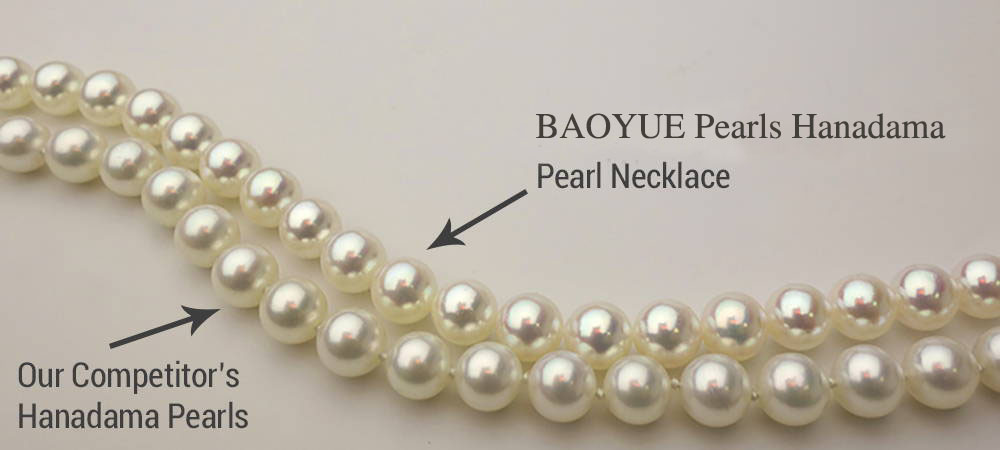
The picture below shows one of our 8.0-8.5mm Hanadama Akoya necklaces compared to a competitor’s we purchased for a few hundred less than ours is listed for – the difference in luster, surface quality and iridescence is instantly noticeable.

NatrualPearlStrand.com Hanadama VS Discount Online Pearl Source
Ensure Your Certificate is Genuine – The PSL issues laminated certificates with individual, unique serial numbers, a metallic rainbow “Pearl Quality” Aurora logo and a PSL watermark stamped in the center of the certificate. All of these elements MUST be present on the certificate. Make sure that the exact strand or pair of pearls pictured on the certificate are the pearls you now possess, and check to make sure that pearl sizes and pearl necklace count match what is pictured.

The easiest way to spot an altered “certified strand” of Hanadama pearls is by counting the pearls in the strand and comparing it to the photo on the certificate. An 18-inch strand will vary by 2-3 pearls on average, so customized strands will have differing numbers of pearls.

Common Hanadama Akoya Pearl Sizes and Lengths

Certified Hanadama pearls come in a series of standardized necklace and bracelet lengths as well as matched pairs to create earrings. These are:
Matched Pairs for Earrings – 7.0-7.5mm, 7.5-8.0mm, 8.0-8.5mm, 8.5-9.0mm, 9.0-9.5mm and rarely, 9.5-10.0mm
Bracelets – 7.5-Inches (Adult standard length) only.
Necklaces – 16-Inch Choker Necklace Length, or 18-Inch Princess Length

Pro-Tip: A pearl necklace’s total length includes silk knotting in between each pearl, and the clasp. The proper way to measure a necklace’s true length is to stretch the necklace out end to end and begin measuring at the starting pearl through to the end of the clasp. Due to natural variations in pearl sizes throughout a necklace’s layout, an 18-inch measurement is approximate, and may be slightly shorter or longer than exactly 18-inches.

Akoya pearl sizes are measured in half-millimeter increments like 6.0-6.5mm, 7.0-7.5mm and so on. The largest size most Akoya pearls can attain is 9.5-10.0mm and they are very rare. Most Hanadama certified strands are available in sizes 7.0-7.5mm up through 9.0-9.5mm, which are the most popular and versatile sizes for women. Hanadama necklaces in the 9.5-10.0mm size are available upon special request, and are very expensive due to their rarity.


Why Don’t You Have Single Hanadama Pearls?

As mentioned earlier in this article, breaking a matched pair of Hanadama certified pearls invalidates certificates. Conversely, specially requesting certified singles would add so much to the overhead that a single Hanadama pearl pendant would be unattainable for many, so that’s the reason why you won’t find single Hanadama pearls for pendants and rings on pearl jewelry sites online.

Our best recommendation would be to purchase a matched pair and have the pearls set on your choice of mountings, or request AAA Quality pearls that get as close as possible to the Hanadama grade in terms of luster, iridescence and overall beauty.


Hanadama Akoya vs AAA Quality Akoya Pearls

What’s the better value?
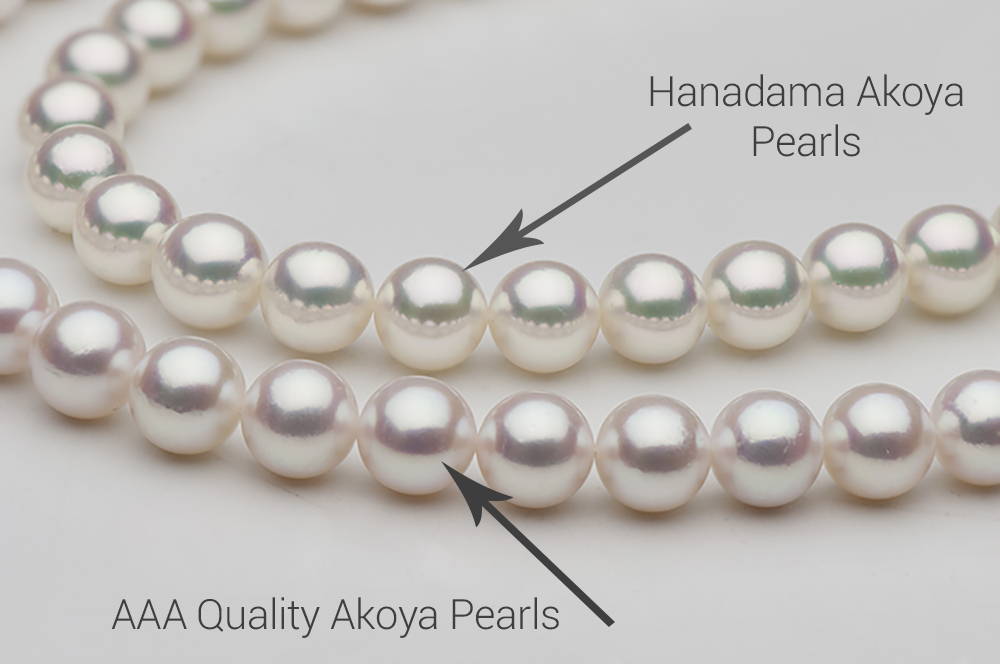
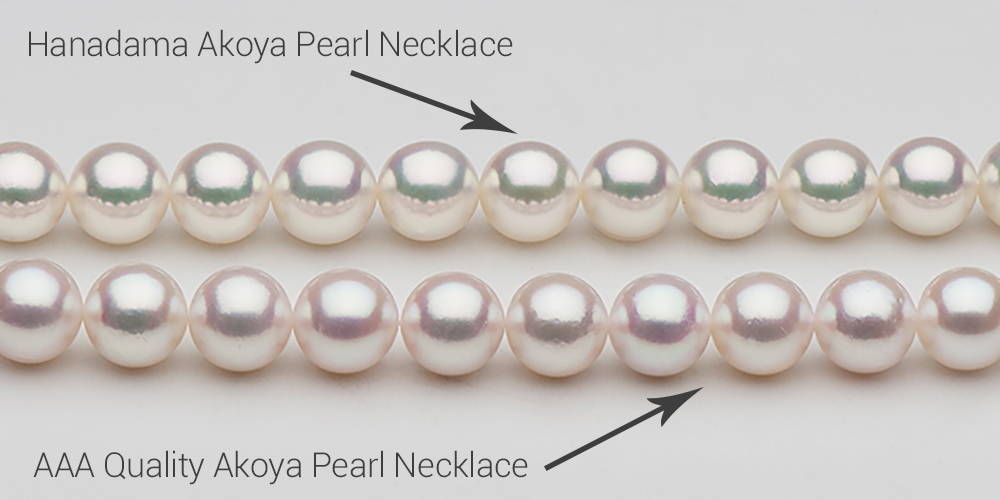
There are pros and cons to both selections, but the primary difference between the AAA grade Akoya necklace and the Hanadama strand is going to be one of luster and orient.
Remember – Hanadama pearls are certified in an exact necklace length (usually 18-inches), so to break a strand or lengthen it can alter their certification status. A longer necklace can be made of course, but the original certificate is for the initial 18-inch length; the rest of the pearls used will be loose Hanadama pearls from a different layout.

AAA Quality Akoya strands can be made into any length or configuration (double or triple strands and so on) for thousands of dollars less, so in terms of flexibility in creating a unique piece of pearl jewelry, then the AAA Quality Akoya pearls are the way to go.
If you’re purely in the market for a Mikimoto AAA grade single-strand type of pearl necklace, then there is no better choice than a Hanadama certified strand.

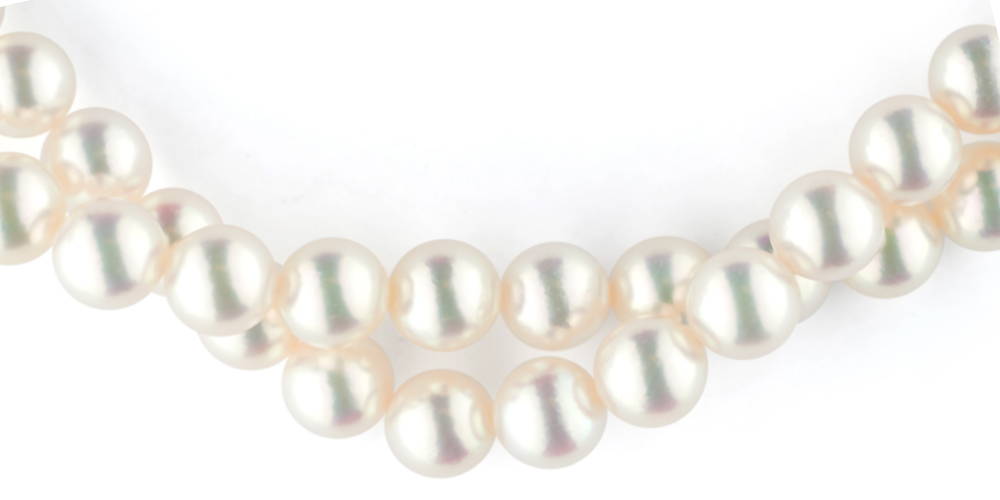
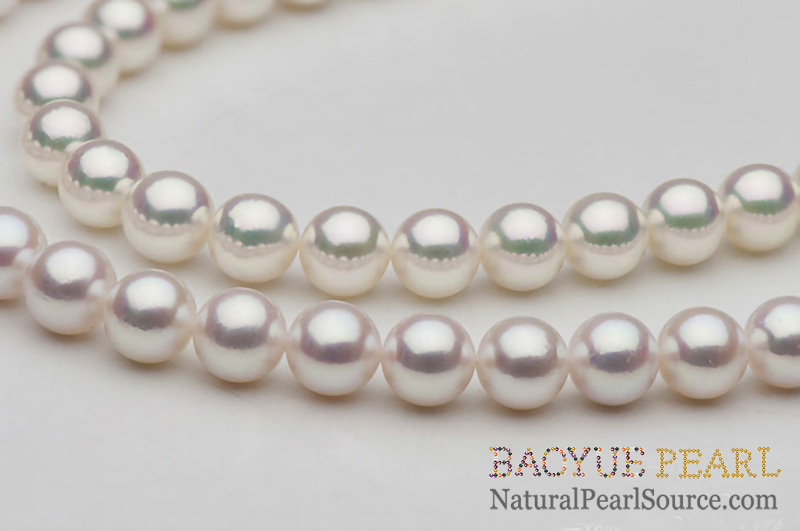
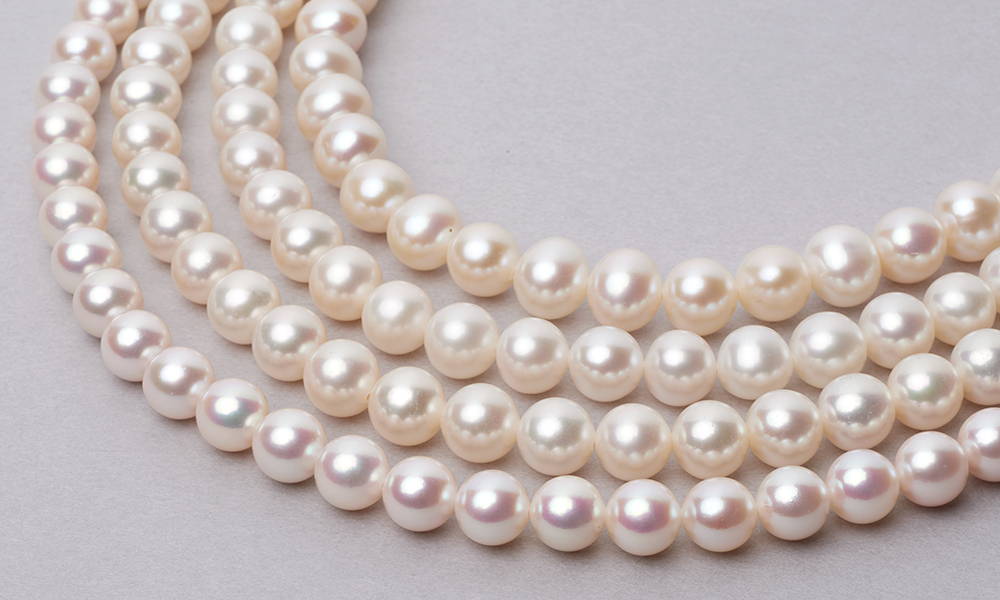
As the photos above illustrate, both our AAA Quality Akoya and our Hanadama Collection Akoya pearls are beautiful. But, the Hanadama Akoya pearl is clearly superior in terms of luster and iridescence, and often boasts a depth and glow to their surfaces that is only possible due to their thicker nacre layers and fine crystalline structure.
 

Got a question about a product ? Need someone to help guide you through our website ?
Got feedback? Go to BAOYUE Pearl Education link: BAOYUE Pearl Education page to read some relevant articles about pearls.
For Normal Questions, please check FAQ , and for other question, feel free to Contact Us, we make it easy for you to get in touch with us ! enjoy browse .


Ready to Learn More about Pearl Grading?
View the rest of our Pearl Grading Guides:
Pearl Shapes

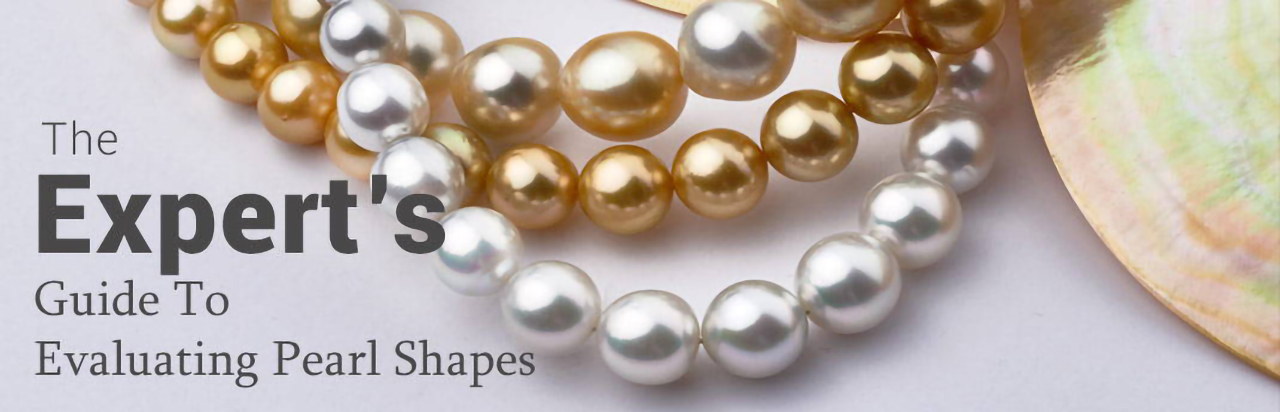
Pearl Shapes - The Expert's Guide

While everyone knows and understands that the “classic” round pearl is considered to be the epitome of pearl perfection, there is an incredibly unique and beautiful range of shapes out there for pearl lovers to consider.

A pearl’s shape is one of the major Value Factors to consider when evaluating and pricing pearls, and is one of the more important aspects of the pearl’s value. There are 7 main Pearl Shape categories to know about, and each one has even more variations within that category providing nearly endless variety and beauty.

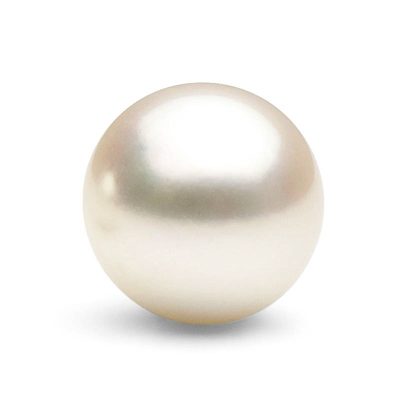
Round / True Round Pearls

♠ Rarest and most valuable of all pearl shapes, accounting for less than 10% of each yearly pearl harvest.
♠ Round pearls can be found in every major pearl type
♠ The largest Round pearls can attain sizes of up to 21.0mm and command premium prices
♠ Pearls that are famous for their perfectly Round shapes are Japanese Akoya pearls (including Certified Hanadama Akoya pearls), and are called “Eight Way Rollers”.

Near Round / Off-Round Pearls

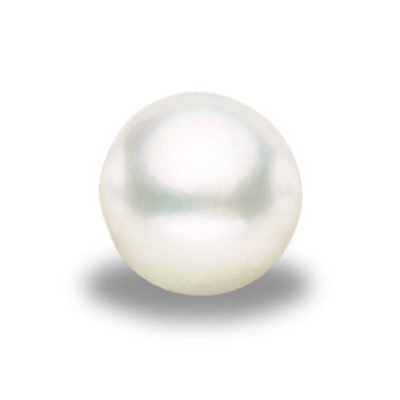
♠ Pearls feature slight to definite deviations from true spherical shape are called “Off-Round” pearls
♠ Generally appear more oval-ish to egg-shaped upon up-close inspection
♠ Easy to spot these pearls by simply laying them flat on a plain white piece of paper and slowly rolling the strand back and forth while watching for a wobble. You can also hold these up about 6-inches away from your eyes, and rotate the strand slowly in front of your eyes to pick up on the variations.
♠ Off-Round pearl shapes can occur in every pearl type, but are most prevalent in cultured Freshwater pearls from China.
Off-Round pearls offer excellent value for pearl lovers. Pearls will appear round-ish to the eye, but with substantially lower price points than their perfectly round cousins.

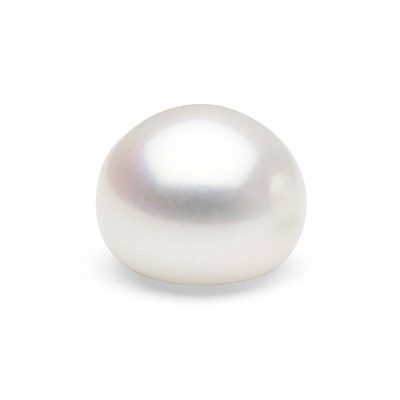
Button-Shape Pearls

♠ Typically will feature a flattened to slightly curved bottom with a domed top
♠ In a full necklace, pearls will appear round-ish to the eye
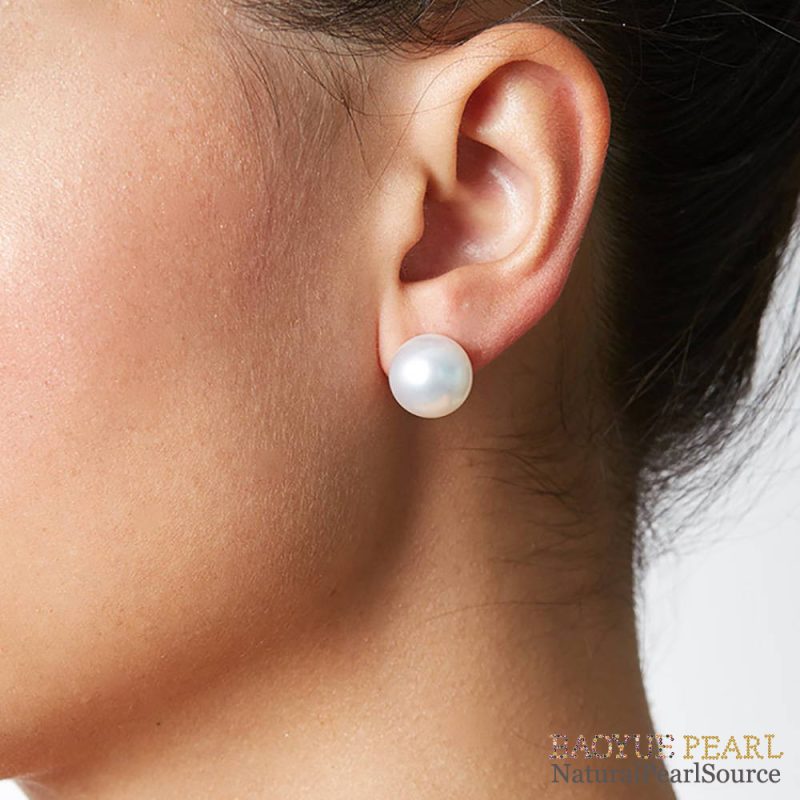
♠ Button-shape pearls are excellent for wearing as earrings – the flat bottoms are very comfortable on the ear lobe when used as pearl earrings.
♠ Button pearls also offer great value for pearl lovers looking for a bargain, with considerably less expensive premiums over a pearl strand consisting of true Round pearls

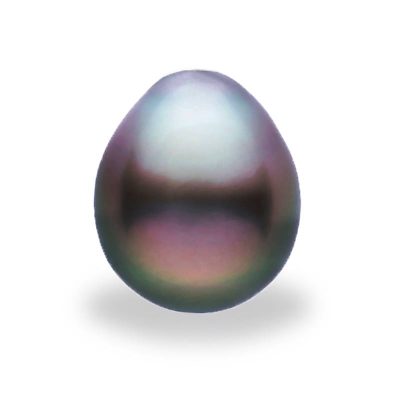
Drop-Shape Pearls

♠ Smooth, symmetrically-shaped pearls ranging from romantic tear-drop shapes to ovals
♠ Represents the second-rarest pearl shape. Accounts for approximately 20% of each pearl harvest
♠ Perfectly matched pairs of Drop-Shape pearls are rare, especially in larger sizes
♠ Highly collectible, Drop-Shape pearls add an artistic flair and whimsy to any jewelry design, especially baroque pearl earrings and pearl pendants
♠ Very high rates of luster and orient are often visible due to their shape variations
♠ Drop-Shaped Tahitian and South Sea Pearl Necklaces are a visually stunning addition to any jewelry collection, often at substantially lower premiums than True Round Necklaces in the same pearl type

Baroque Pearls

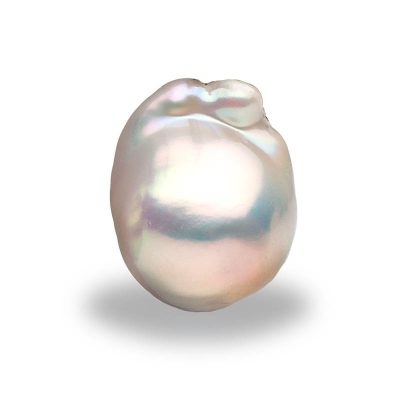
♠ Baroque pearls are the most common pearl shape, representing up to 40% of each pearl harvest
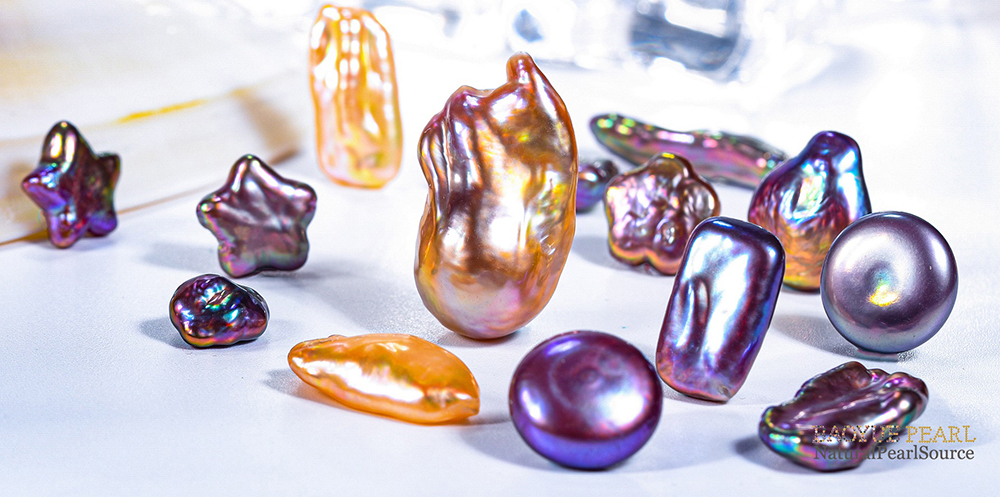
♠ Baroques feature an irregular shape and are very unique … like snowflakes, no two baroque pearls are exactly the same.
♠ Actual shapes vary widely and can include a multitude of unique features and growth characteristics such as knobs, tips, circles, etc.
♠ High rates of luster and orient are often visible due to uneven nacre accumulation causing very thick layers in various locations on the surface
♠ Baroque pearl necklaces offer a fantastic opportunity to own a one of a kind Tahitian Pearl Necklace, South Sea or Akoya pearl necklace at a fraction of the cost of perfectly round necklace layouts.

Circled Baroque Pearls

♠ Dubbed “Circles of Love” in the 1970s as a way to market circled pearls
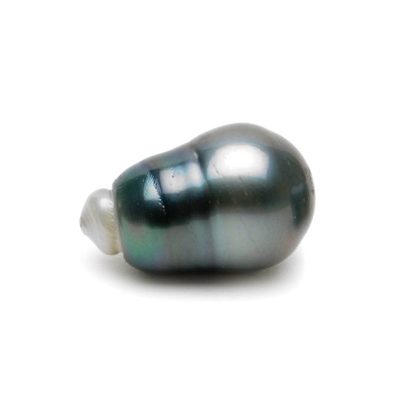
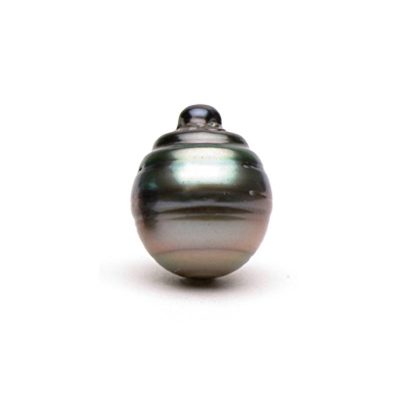
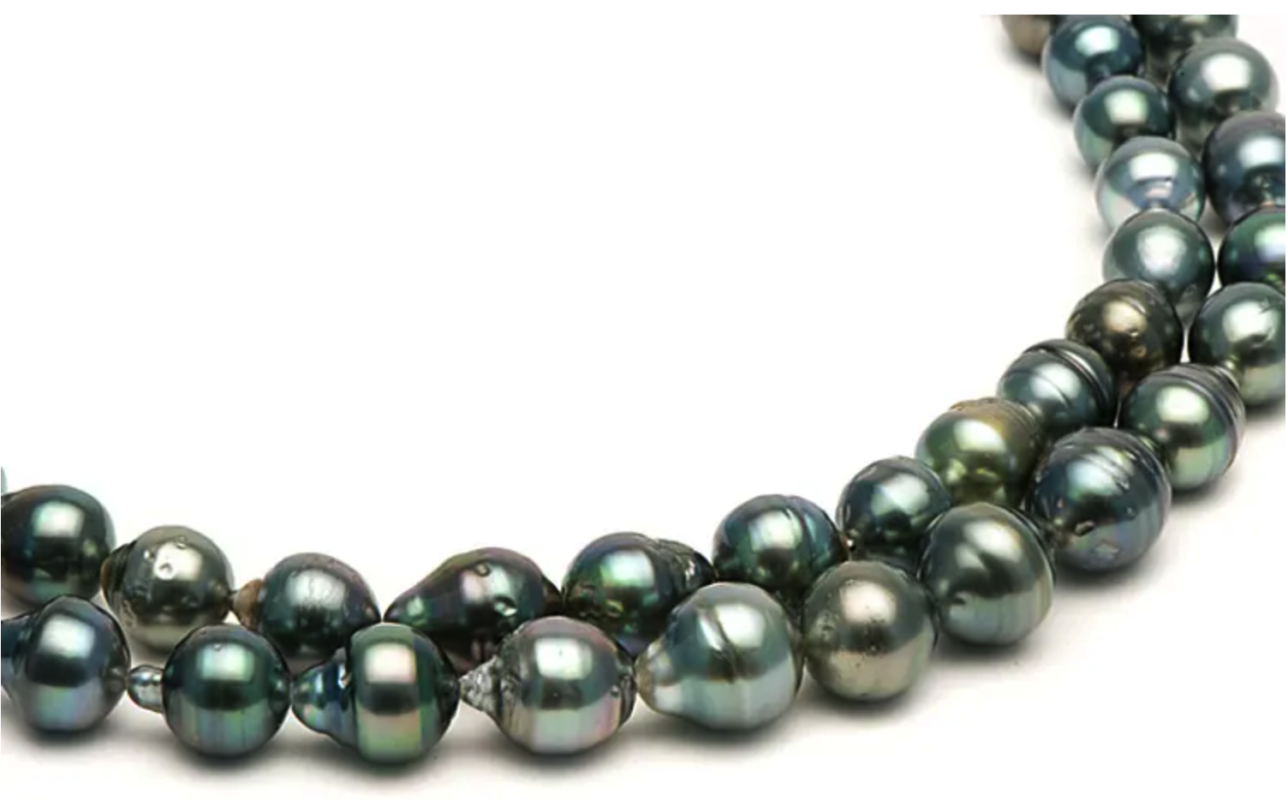
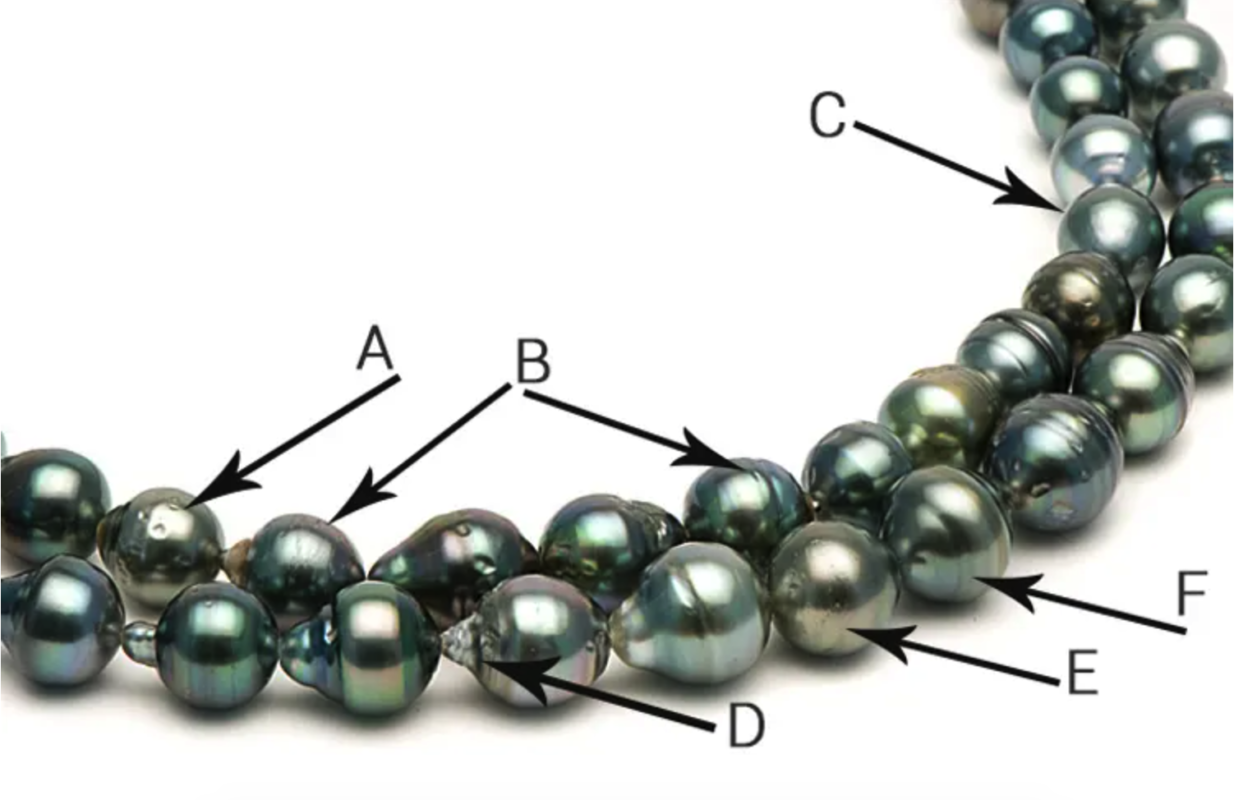
♠ Characterized by their trademark concentric rings running around the circumference of the pearl
♠ Circles can be sparing, with just a few noticeable on the surface, or the pearl can be completely covered
♠ Usually very high rates of luster, orient and overtone saturation can be seen on the surfaces of circled pearls. This is due to the very thick layers of crystalline nacre compaction around the bead nucleus on each pearl
♠ Circles are an instantly recognizable growth characteristic, not an inclusion or blemish.

Free Form Baroque Pearls

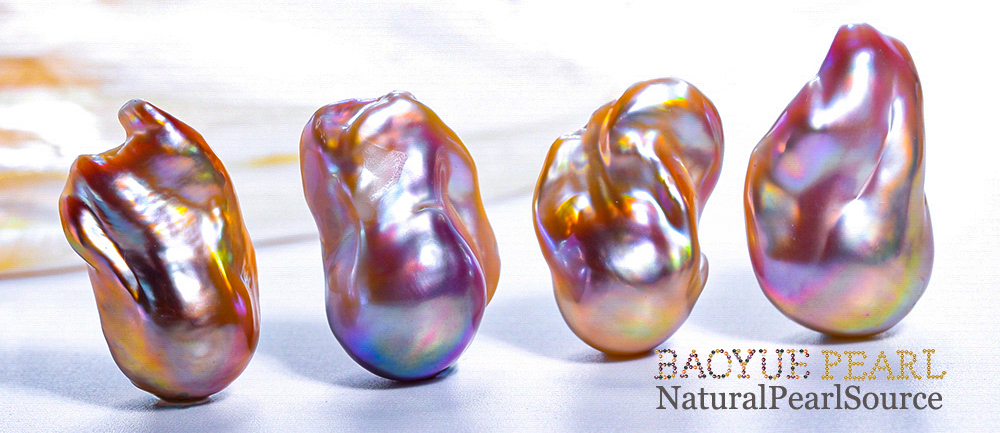
♠ Highly asymmetrical shaped pearls that are extremely unique - each one is a one-of-a-kind creation.
♠ Often Free-Form Baroque pearls will feature a “watered silk” texturized surface that is quite appealing
♠ Traditionally Free-Form Baroque pearls were used to create jewelry art. Jewelers would use these free-wheeling pearls to create animals, flora and fauna and mythical creatures from legend to turn into valuable brooches, pendants and necklace enhancers.
♠ Free-Form Baroque pearls can be found in every pearl type, from exotic Tahitians to Japanese Akoya pearls and colorful Freshwater pearls.

How Do Pearls Get Their Shapes?

A pearl’s shape is due to the pearl’s formation process beginning with a single 1.0mm square piece of mantle tissue or a perfectly round mother-of-pearl bead nucleus inserted into the mollusc. Upon insertion, a pearl sac is formed around the irritant and the mollusk begins secreting concentric layers of crystalline nacre around the nuclei, eventually forming a pearl.

Essentially the bead nucleus is supposed to act as a perfectly round template for the oyster to lay nacre around, increasing the chances of harvesting a spherical pearl.

The amazing variety of shapes that occur with each harvest are due to subtle disruptions in the layering process inside the mollusk. This can be as something as tiny as an air bubble, to more invasive issues like parasites or bits of organic material that the animal has filtered into its interior body interrupting the delicate process, eventually resulting in the wonderful array of Off-Round, Drop-Shape and Baroque pearls.


Ready to Learn More About Pearl Grading?
View the rest of our pearl grading guides:


Pearl Colors

Pearl Colors – Your Guide to Choosing Perfect Pearls

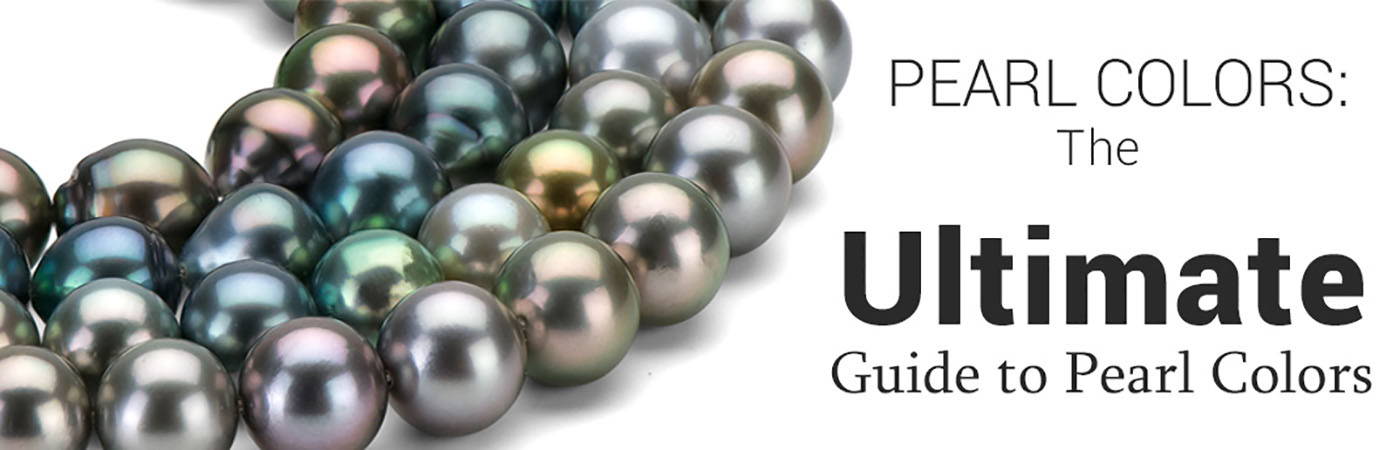
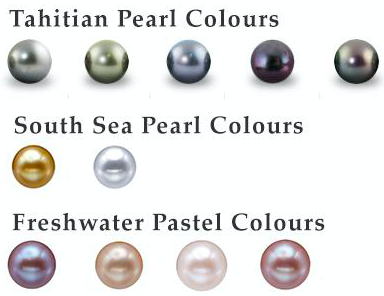
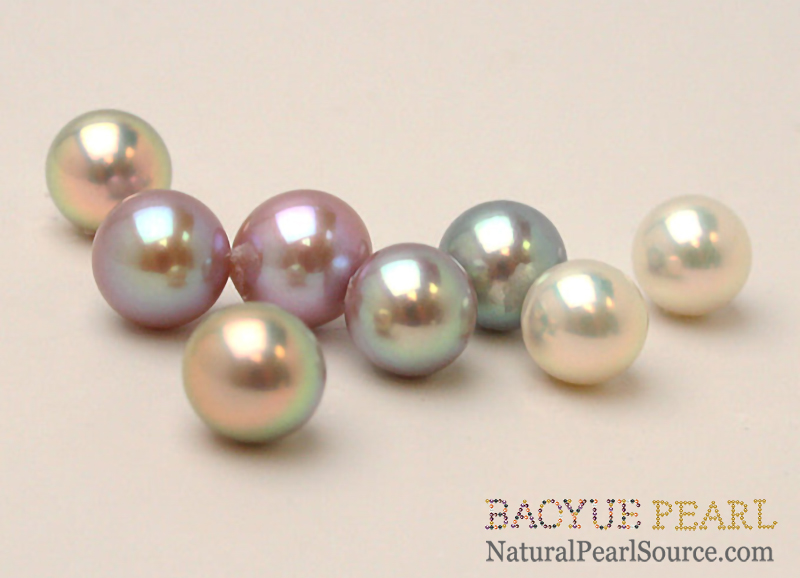
Pearls offer an astonishing array of colors for everyone to love. From classic white Akoya pearls to jet black Tahitian pearls, silver and gold South Sea pearls and even deep shades of lavender to yes, even blue!
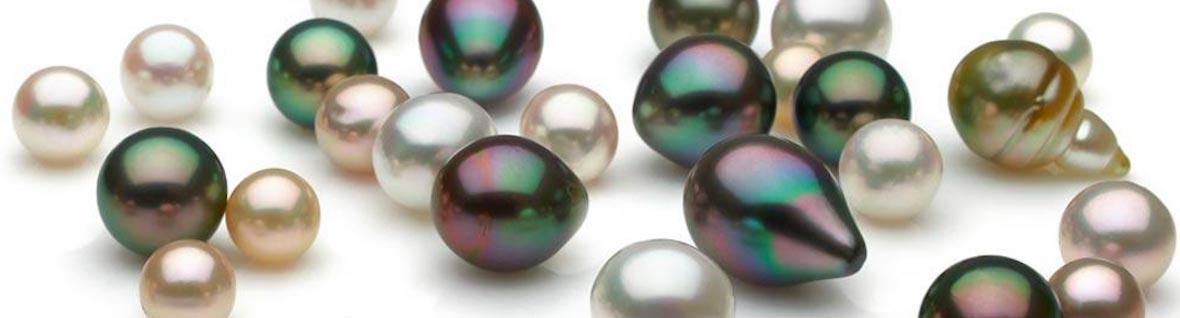
Perhaps the best-loved gems of all time, pearls—both natural and modern cultured pearls—occur in a wide variety of colors. The most familiar colors are white and cream (a light yellowish brown). Black, gray, and silver are also fairly common, but the palette of pearl colors extends to every hue. The main color, or body color, is often modified by additional colors called overtones, which are typically pink (sometimes called rosé), green, purple, or blue. Some pearls also show the iridescent phenomenon known as orient.
White and black pearls are the most popular, but there are also silver, gold & pink. Pearls also have tints or undertones that can make it have a glow. For example, a pearl can look white but when studied and light is reflected off of it, it can give off a hue of pink, green or blue. Black pearls are rarely black, they can be shades of green, purple, blue, grey, silver or peacock. The very best pearls have a metallic mirror-like luster.
Below to navigate this article to view pictures and descriptions of the most common pearl colors.

White Pearls
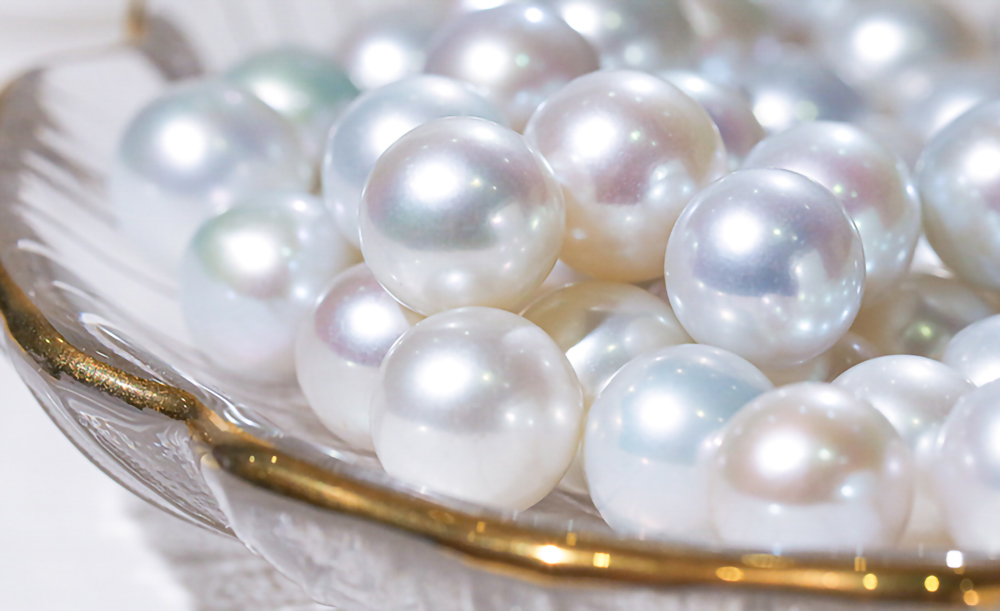
Whether it’s the iconic Akoya pearl, or glamorous South Sea pearls, white pearls have been the “It Pearl” for literally centuries. Women and men have worn and loved white pearls because of their subtle elegance and versatility.

  White Pearl Fast Facts

  White Pearl Types: White Akoya, White South Sea and White Freshwater pearls.
  Common Overtones: You’ll see Rose (a hint of pink), Cream/Ivory (think a tint of French Vanilla) and Silver (closest to a true, bright white).
  Sizes: White pearls can be as small as 1.0-2.0mm seed pearls, up through the very largest 20.0mm sizes.
  Fun Fact: The color white is associated with purity, which is why pearls have traditionally been worn by brides.

White Akoya Pearls

White South Sea pearls are the third most popular pearl type - and the most expensive.
Cultured in Australia using the silver-lipped Pinctada maxima saltwater oyster, these are considered the "queen of gems". These luxurious pearls range in size from 8.0mm 16.0mm and larger.
Popular overtones are: Rose - warm to cool hint of pink (and the most rare),Silver - bright, cool white (most prevalent) andCream / Ivory - warm hint of French Vanilla


Black Pearls
Dark and exotic, black pearls have captured the imagination of men and women around the world for centuries. A hundred times more rare than white pearls, black pearls have been imbued with all kinds of mythical properties and lore.

 Black Pearl Fast Facts

Black Pearl Types: The only naturally-colored cultured black pearls are black Tahitian pearls from French Polynesia and Sea of Cortez pearls from Guyamas, Mexico. Black Akoya and Black Freshwater pearls are also available, but are color-treated (usually dyed) to reach their darker hues.
Common Overtones: The most common overtones for black pearls are Peacock (Green, Gold and Rose mixture), Green, Blue-Green, Rose, Silver, Copper and Aquamarine. Intensities and hues vary - quite a lot.
Sizes: Generally Tahitian and Sea of Cortez pearls range from 8.0mm up through 16.0mm and higher.
Did You Know: Polynesian lore describes the god Ono coming down from the heavens on a rainbow to gift his beloved princess the first black pearls. The pearls were imbued with the colors of his magical rainbow.

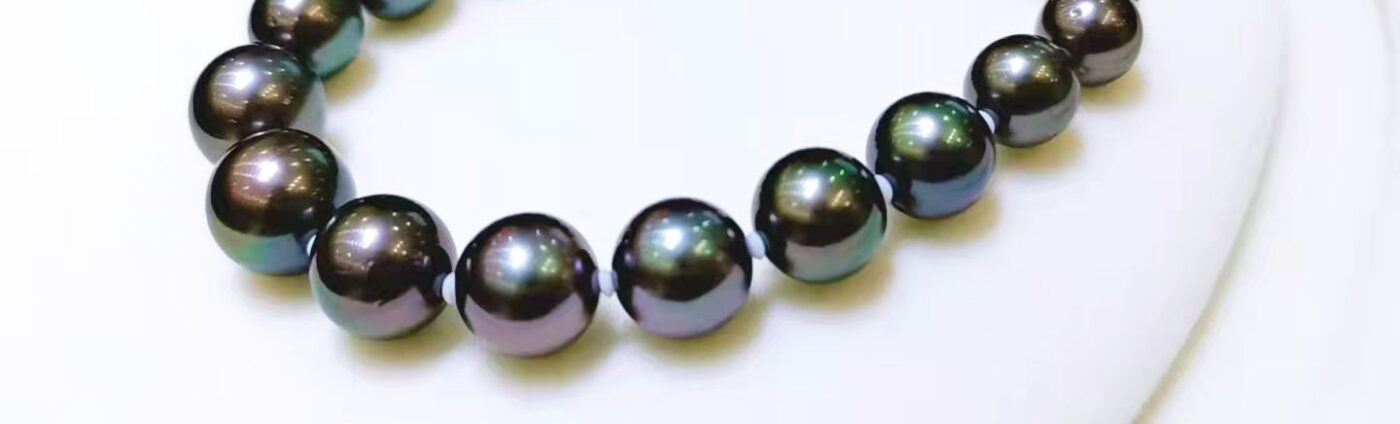
Black Tahitian Pearls

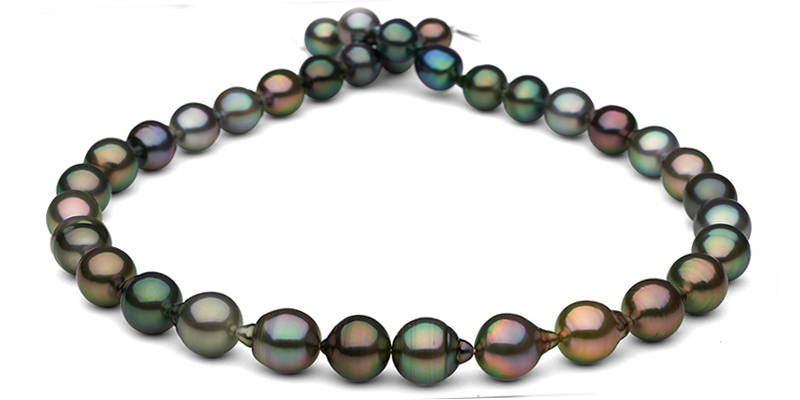
Tahitian pearls are one of only two naturally-colored black pearls in the world.
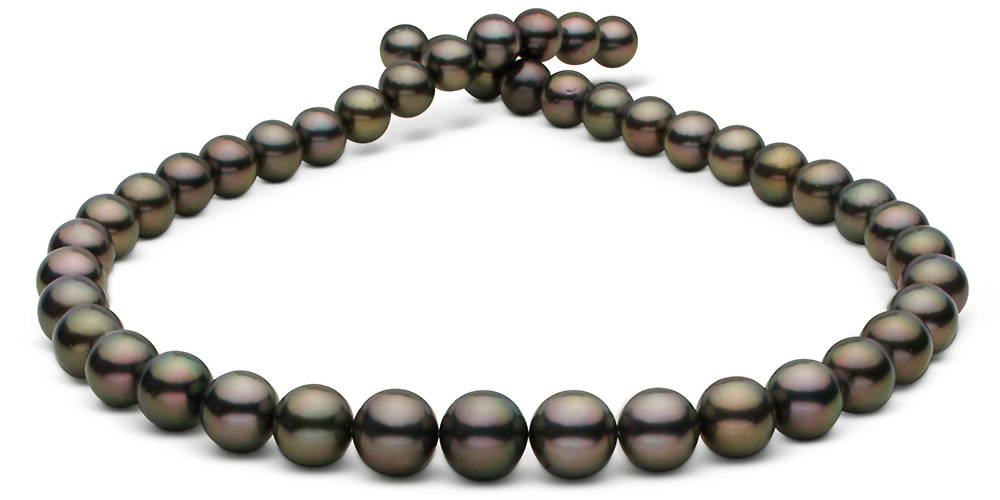
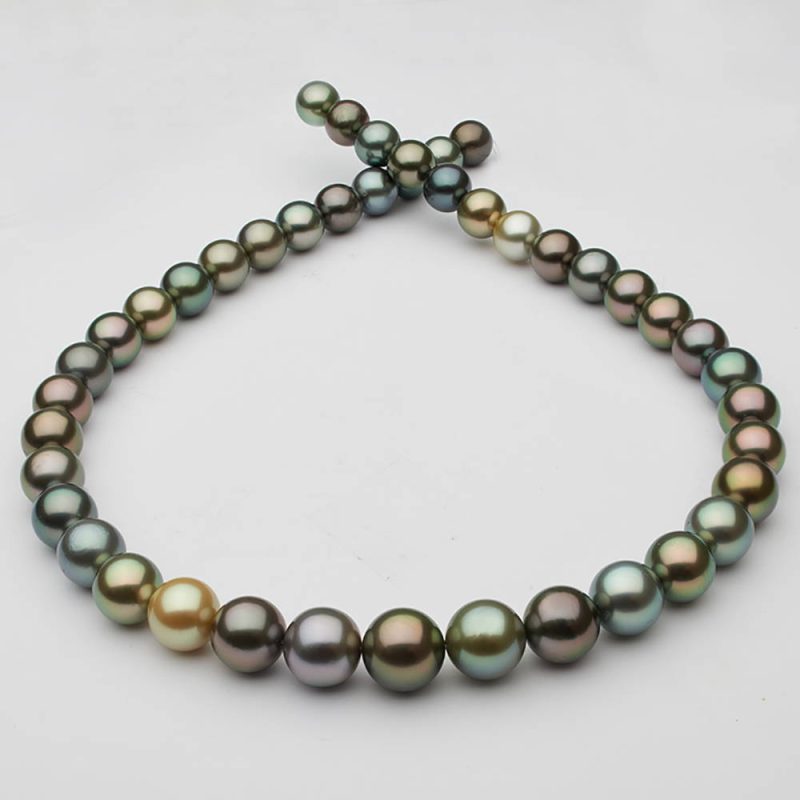
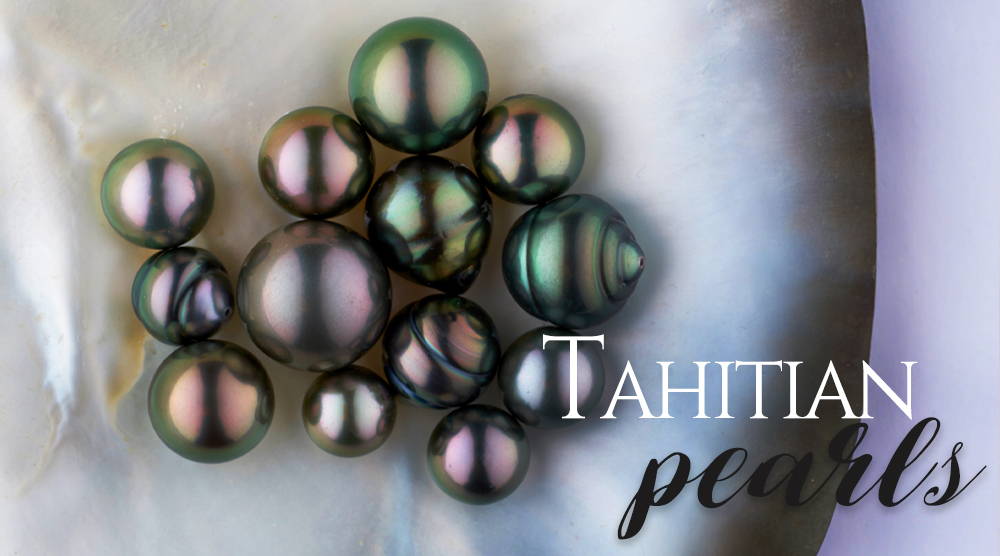
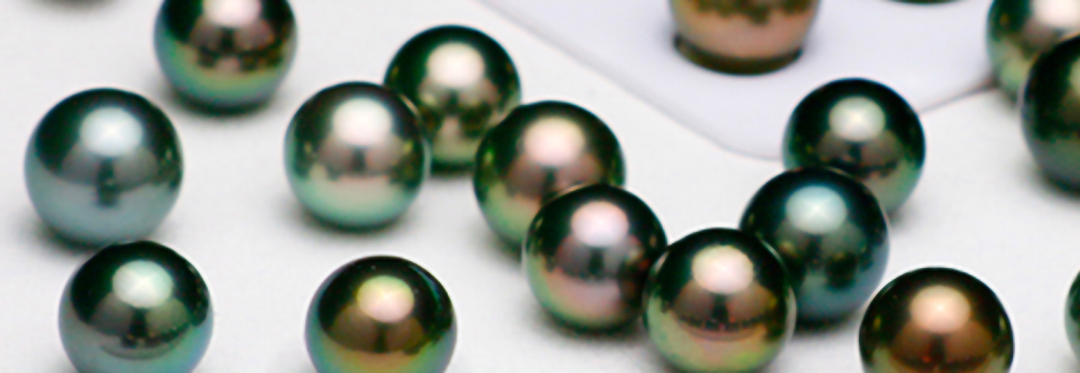
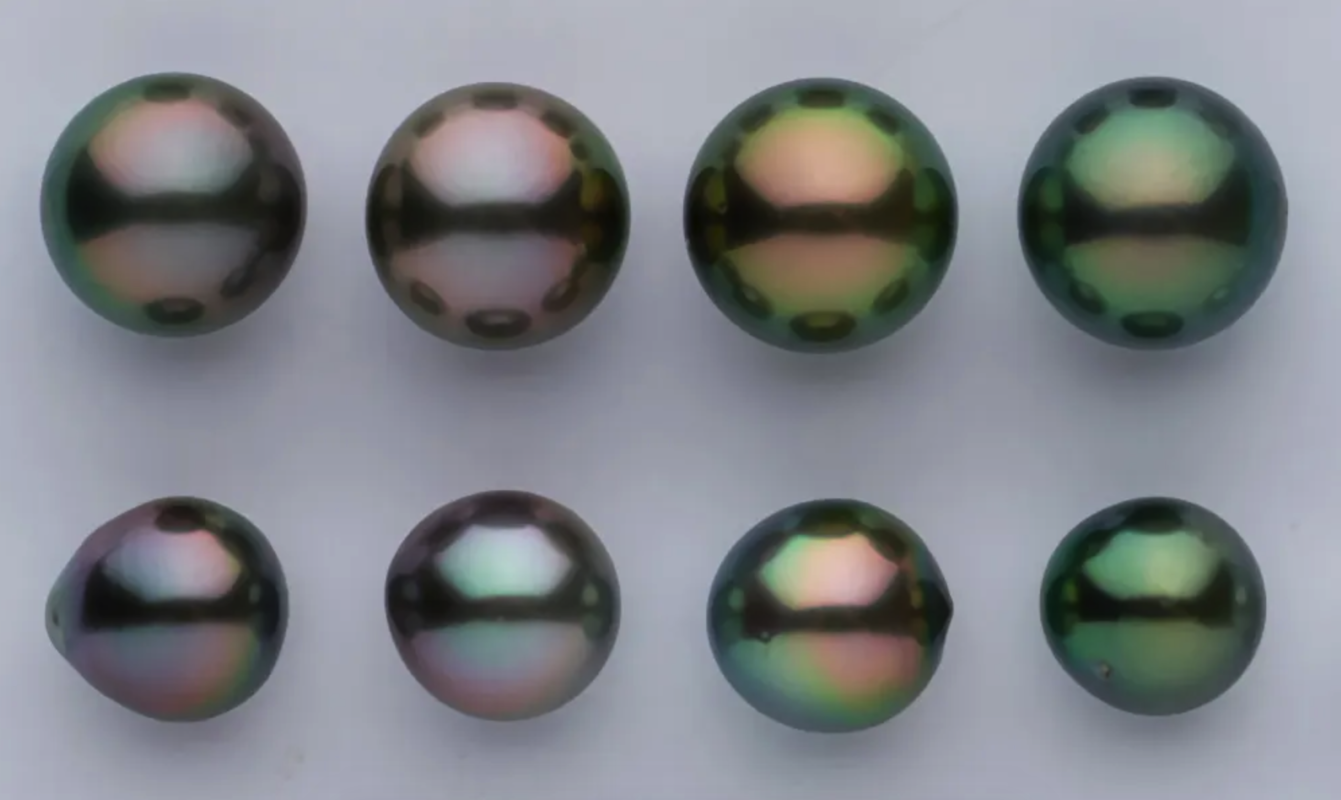
Tahitian pearls are cultured in the Pinctada margaritifera saltwater pearl oyster in French Polynesia, and range in size from 8.0-9.0mm through 14.0-15.0mm and larger. The pearls feature primary body colors ranging from pale dove grey to dark charcoal grey to near jet black hues.
Popular overtones are: Peacock, Cherry, Blue-Green, Neutral Silver/Steel and more..

Golden Pearls
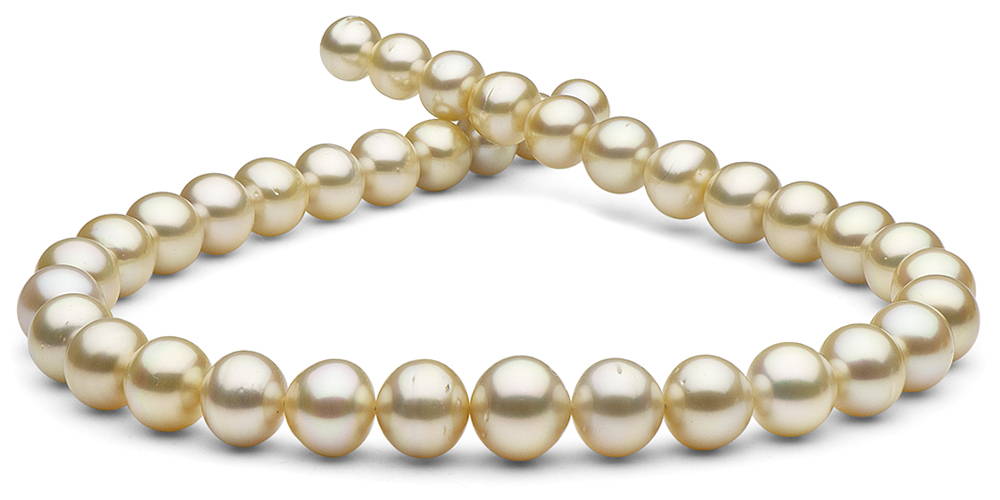
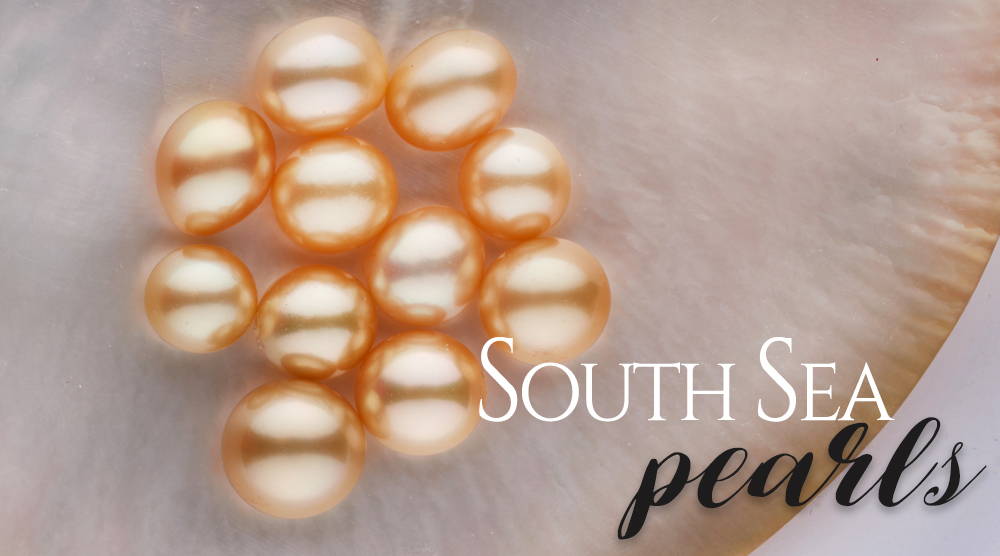
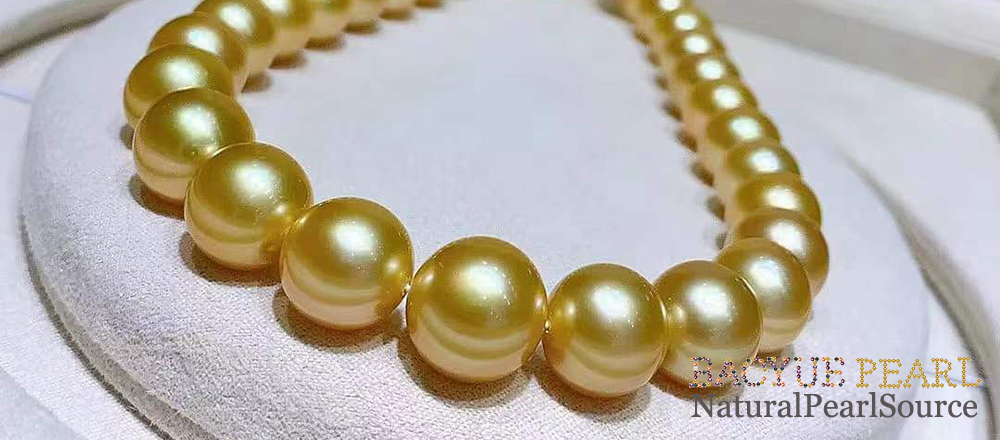
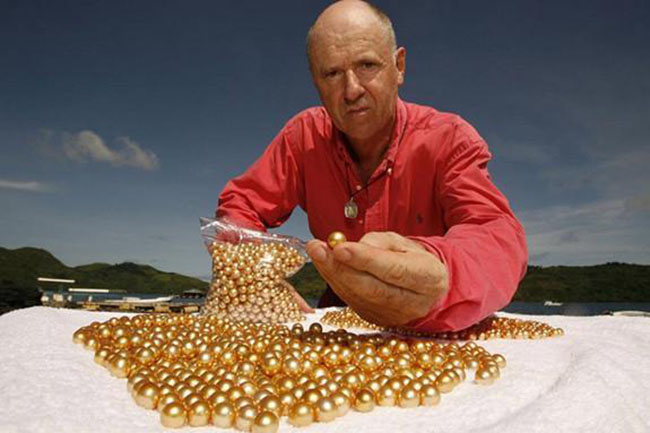
Opulent, luxurious and best of all, naturally colored, Golden South Sea pearls are some of the largest and most valuable cultured pearls in the world. Ranging in color from pale Champagne to intense 24K golden hues, these cultured pearls hail from the tropical lagoons and atolls of the Philippine Islands and Australia.

 Golden Pearl Fast Facts

Common Overtones: You’ll encounter Neutral (Yellow) Gold, Silver, Rose, Green/Bronze and Champagne overtones.
Sizes: South Sea pearls range from 9.0mm up through 16.0mm sizes and higher.
Golden Pearl Lore: Golden pearls are said to imbue their owner with wealth and prosperity. The Chinese often depicted their dragons (said to be harbingers of great luck) bearing golden pearls in their mouths or claws.

14K Gold Pearls
 
Golden South Sea pearls with 14K Golden body colors are considered a "Medium-Tone" Golden hue.

Pearls featuring the 14K Medium-Deep Golden hue are among the most common body colors available today. Shimmering with Neutral Gold or Rose overtones, these Golden pearls look great on the largest array of complexions.


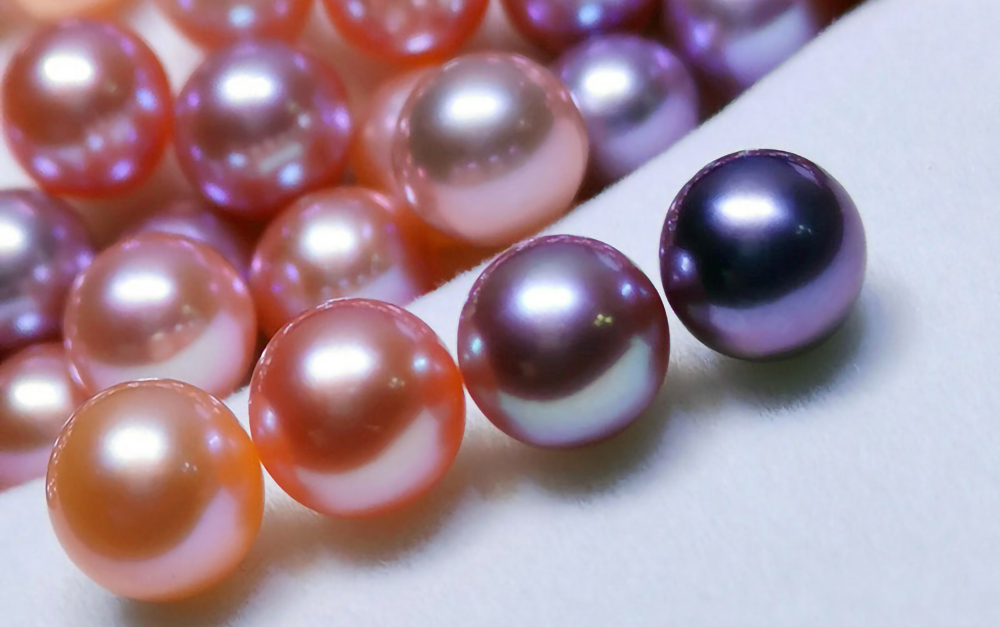
Pink and Peach Pearls
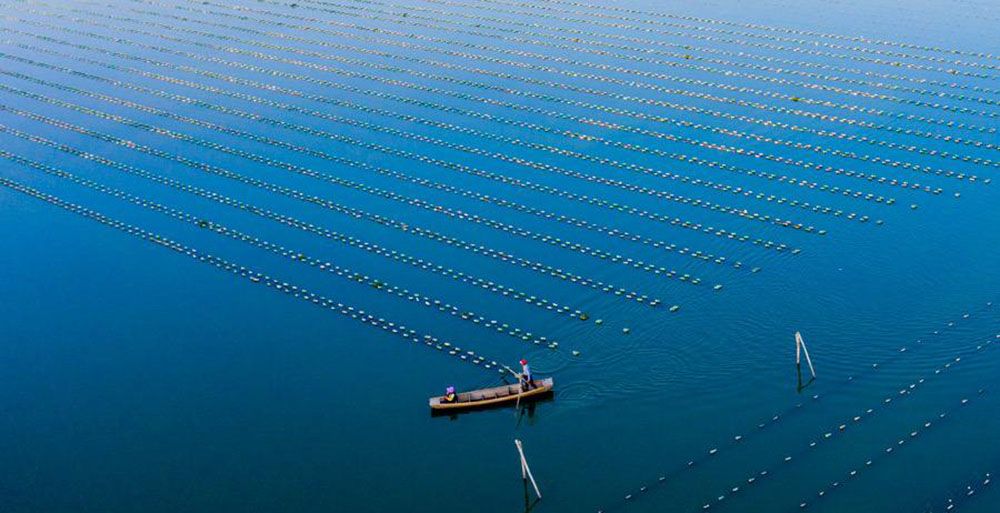
Naturally colored pink pearls are cultured in the Freshwater pearl mussel, Hyriopsis cumingii (along with various hybrid mussels bred to produce unique colors and sizes) in freshwater aquaculture ponds on China. Each Freshwater pearl mussel can be nucleated up to 25 times on each side of the shell, making for a stunningly colorful harvest.

 Pink to Peach Pearl Fast Sheet

Common Overtones: The most common overtones you’ll see on pink to peach pearls are Aquamarine, Green, Gold and Rose hues.
Sizes: Cultured pink to peach Freshwater pearls range in size from 4.0-12.0mm, with average sizes ranging from 6.0-9.5mm. Newer cultured pearl techniques are producing larger bead-nucleated Freshwater pearls like ‘Edison’ pearls that routinely measure 14.0-16.0mm on average!

Recommended Pairings: Yellow gold is the most popular and traditional to use with pink to peach Freshwater pearls. It “warms” up the pink and golden hues already present in the pearl’s surface, and enhances their sparkle. White gold is less often used, but is an interesting and unique pairing with pastel baby to deeper pink colors, and can boost any Aquamarine to Green overtones present on the pearls.

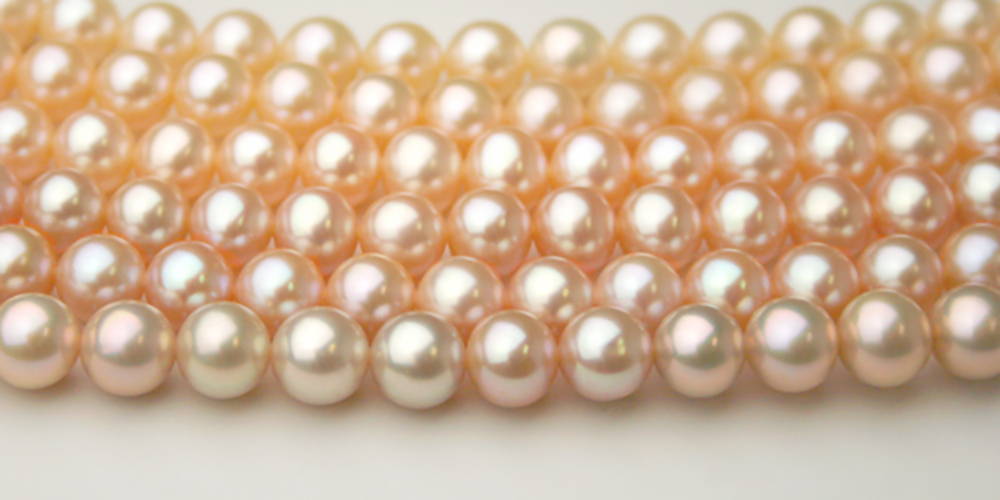
Pink to Peach Pearls

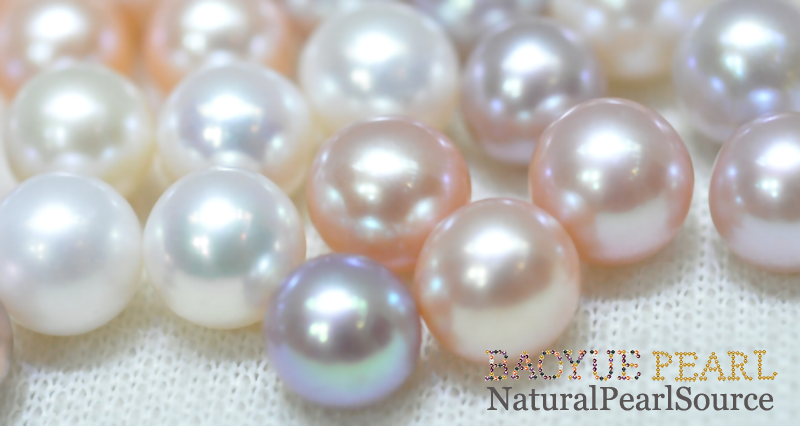
Peach Freshwater pearls range from pale peaches to deeper orangey and apricot colors.

Lavender Pearls
Naturally colored Lavender Freshwater pearls are cultured in the Freshwater pearl mussel, Hyriopsis cumingii. These large pearl mussels are bred and cared for in freshwater aquaculture ponds and lakes in China. Nucleated up to 25 times per each side of its shell, a Freshwater pearl harvest is a very colorful affair, yielding shades of Lavender, Pink, Peach and White pearl colors.

 Lavender Pearl Fast Sheet

Common Overtones: The most common overtones you’ll notice on Lavender Freshwater pearls will be cooler shades of Aquamarine and Green. Warmer shades of Gold and Rose can also be observed.
Sizes: Common Freshwater pearls range in size from 4.0-12.0mm, with an average size of 6.0-9.5mm found in most jewelry stores today. Ultra-large pearls ranging from 13.0-16.0mm are now coming onto the pearl markets in the form of ‘Edison’ pearls which are bead-nucleated.
Recommended Pairings: White gold is the most popular and traditional choice for pairing with Lavender pearls – it cools the pearls down and enhances their lovely Blue, Aquamarine and Green overtones. Yellow gold creates a high contrast between the pearls and their clasps or mountings which is visually eye-catching, and can help enhance any Gold or Rose overtones present.

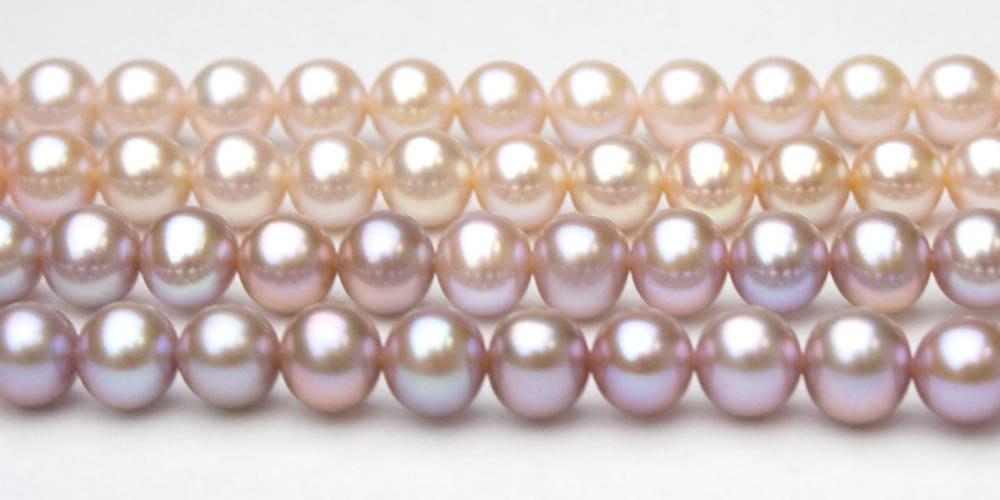
Deep to Pale Lavender Pearls

The paler shades of Lavender range from a dirty-rose mauve color to pastel lilac.
Typical overtones will be pastel Green, Gold, Aquamarine or Rose.


Blue Pearls
Perhaps the rarest pearl color of them all, true blue pearls are one of the wonders of the world. Naturally blue-colored pearls come in astonishing array of hues from pastel Sky Blue to dark Midnight Blue colors, with an even wider array of dazzling overtones.

 Blue Pearl Fast Sheet

Blue Pearl Types: Naturally colored blue pearls are a special rarity, available only in blue Akoya, Silver-Blue White South Sea, Tahitian or Sea of Cortez pearl types.
Common Overtones for Blue Pearls: True blue Akoya pearls display very strong overtones of Blue, Aquamarine, Rose and Violet. Blue-overtoned pearls such as the Tahitian or Sea of Cortez pearl types will feature variations in their overtone range including Green, Blue-Green, Cerulean, Teal, Violet and more.
Sizes: Due to the variety of pearl types that the blue color is available in, the size ranges vary widely. Blue Akoya pearls range from 7.5-9.5mm on average. Silver-blue White South Sea pearls range from 9.0-16.0mm and larger. Blue colored Sea of Cortez pearls have a small range from 8.0-11.0mm, and Tahitian pearls can range from 8.0-14.0mm.
Interesting Blue Pearl Fact: Blue Akoya pearls are farmed in Japan and Vietnam; their colors are thought to be the result of a metabolic disorder.

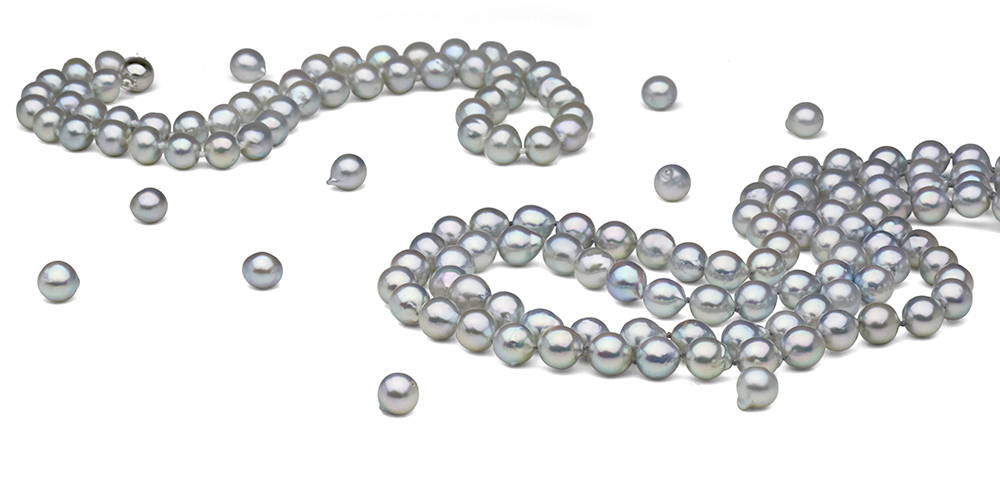
Blue Akoya Pearls

White South Sea pearls have an outstanding Silver-Blue color that’s very distinctive.
They are the largest of all blue colored pearl types, and feature the trademark "satin" luster of South Sea pearls.


Chocolate Pearls
Chocolate pearls became incredibly popular quite recently – designers such as Erica Courtney helped solidify their status as red carpet worthy gemstones. Chocolate Tahitian pearls can be naturally colored or dyed their trademark colors … Guess which ones we prefer.

 Quick Facts About Chocolate Pearls

Chocolate Pearl Types: Color-treated Chocolate Tahitians, naturally-colored Chocolate Tahitians and dyed Chocolate Freshwater pearls.
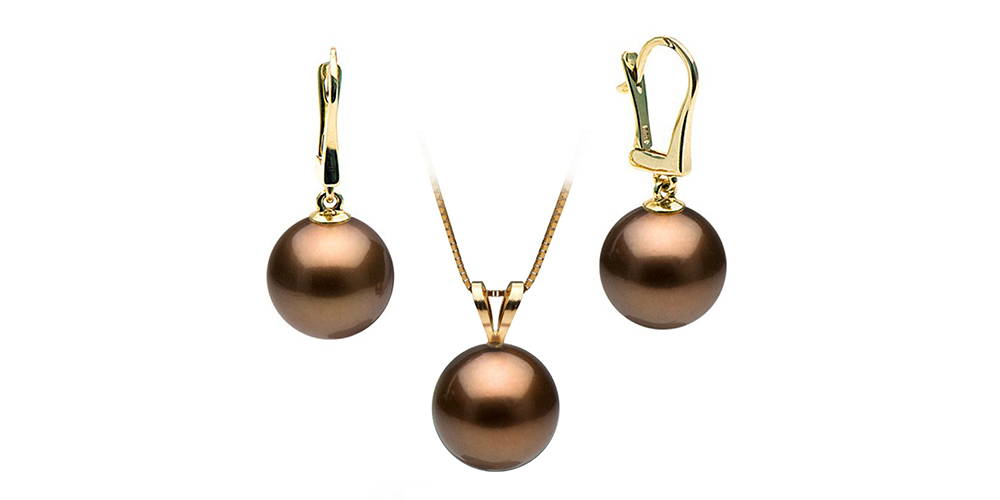
Chocolate Pearl Overtones: The most popular and common overtones you’ll find are Gold, Rose and subtle tones of Green/Bronze. These colors shimmer over “Dark Chocolate” and “Milk Chocolate” body colors.
Sizes: These can range in size from 9.0-14.0mm, but the average size is 10.0-12.0mm.

Recommended Pairings: Yellow gold is probably the prettiest pairing for clasps and mountings as it enhances the warmer shades of gold present in the pearls. White gold can be used to create an interesting visual contrast, but care should be taken to pair use pearls with Dark Chocolate body colors and Greenish overtones.

Multi-Colored Pearls
The term ‘Multi-color’ refers to a layout design rather than a pearl color, and can be composed of Freshwater, Tahitian or South Sea pearl types.

 Multi-Colored Pearls Fast Facts

Multi-Color Pearl Types: Multi-colored Tahitians, Multi-colored South Sea pearls and Multi-colored Freshwater pearls are all available in both round and baroque shapes.
Sizes: These can range in size from 6.0-7.0mm up through 15.0-16.0mm and higher, depending on the pearl type you choose.
Recommended Pairings: Yellow gold is ideal of Multi-colored South Sea pearl necklaces as the clasp won't clash with the Golden South Sea pearls mixed into the layout. For Tahitians, white gold clasps are always popular, especially considering their cooler color spectrum. For warmer Tahitian mixes that feature heavy amounts of green, gold or cherry then consider yellow gold pairings to warm these pearls up! Multi-colored Freshwater pearl necklaces and bracelets could go either way, but I tend to recommend the yellow gold option to enhance the pink and creamy white colors of the pearls and add an extra touch of luxury to the layout.
Fun Fact: Multi-color South Sea pearl necklaces are also known as Pelosi-pearls, named after the woman who wore them as her “trademark jewel”.

Multi-Color Tahitian Pearls


Freshwater Multi-color necklaces and bracelets feature a mix of White, Lavender and Pink or Peach pearls.
These layouts are arranged in various combinations. No two necklaces or bracelets are ever exactly the same!


How Do Pearls Get Their Color?

Oysters make colored pearls in a variety of ways, starting with the color of the outer edge of the shell ⁠— called the mollusk’s “lip.” For instance, Tahitian pearls get their light to dark charcoal grey colors from the black-lipped saltwater Tahitian pearl oyster, Pinctada margaritifera. Notice the grey to silvery hues present on the edge of the shell.

Another way pearls get their color is from microscopic pigments inside the conchiolin layer. Conchiolin is the organic “glue” that holds the crystalline aragonite layers together. Conchiolin cements these platelets together (think of the structure of a pearl as something like a brick wall, and the conchiolin is the cement).

When the conchiolin is pigmented with grey, brown, reddish-brown, black or other colors, this pigment shows through the thin crystalline layers to give the appearance of blue, grey, yellow, green, bronze, black pink and orange hues in the surface of the pearl.

Lastly, aragonite platelets are the semi-transparent, hexagonal-shaped, microns-thin crystals that make up the prismatic layers of the pearl. When white light strikes and penetrates the surface of the pearl and its layers, the light beam is refracted back at the viewer in its entire spectrum, allowing the viewer to see the colors red, orange, yellow, green, blue and violet. This phenomenon also heavily influences the pearl’s overtone, or faint iridescent colors that are visible over the body color of the pearl.

Golden South Sea Pearl
 

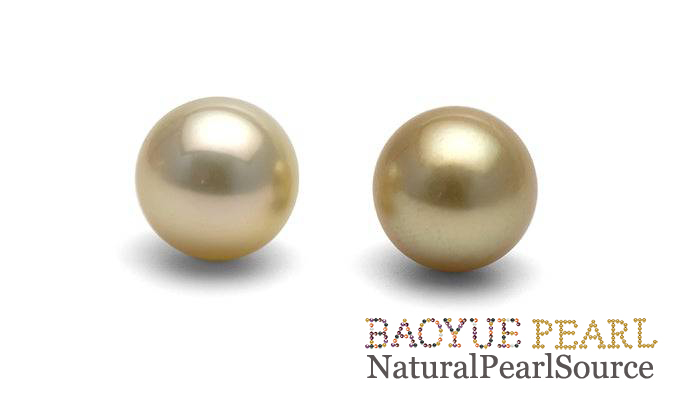
Golden South Sea Pearls.
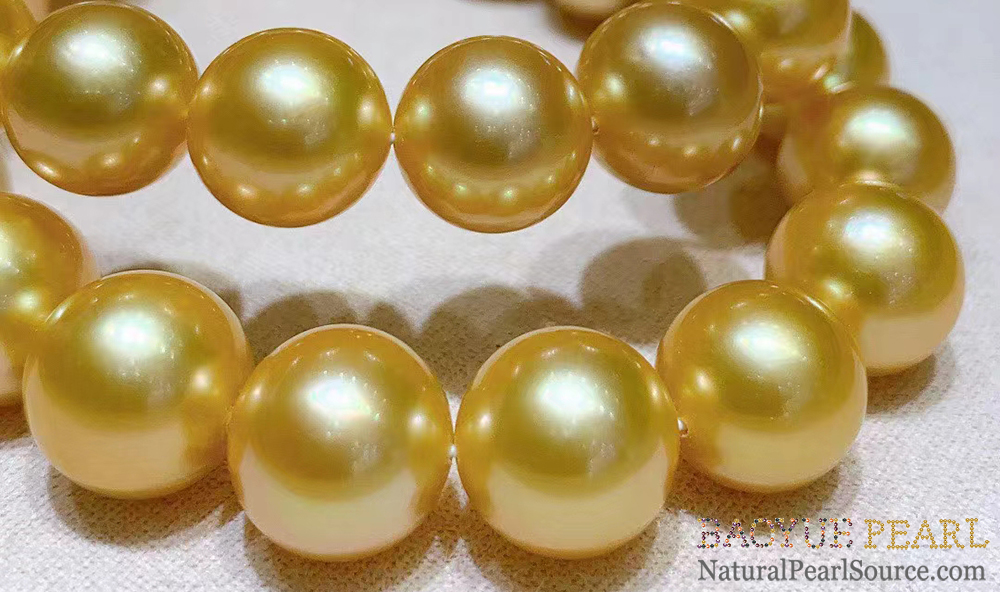
Left: Medium Golden Tone with Light Rose Overtones Right: Deep Golden South Sea pearl with Bronze and Green Overtones.

As you can see, each of the Golden South Sea pearls above displays varying shades of Golden body color intensity, however the overtone or faint iridescent color lying over the main body color influence the pearl’s overall color to the viewer. The pearl on the left shows a faintly blushing “warm” tone due to its Rose overtones, while the pearl on the right appears much “cooler” due to its Green and Bronze overtones.

While the science of pearls is still evolving, we now have a fairly good idea of how a pearl’s color is influenced both by its environment and by the host mollusk. These factors are what gives pearls natural colors ranging from white to chocolate as shown above in this article.


Visit Our Pearl Grading Guides:
Click the links below to Get Our Pearl Grading Guides:

Pearl sizes

" What pearl size should i buy? "

This is by far the most common question I get, and for good reason. Pearl size is one of the key factors affecting the value of pearls and also one of the first things to be noticed. While there is no definitive answer to this question, I believe this guide will help you find the perfect size of pearl for you and your budget.

Akoya pearls are left to grow for 1 year and reach from 6-8.5mm. Tahitian & South Sea pearls are left for 2-4 years and can reach 13mm. Freshwater pearls are left for 3-8 years and can range from 3-13mm. The larger the pearl the more valuable it is. To create larger pearls they have to be left inside of the mollusk for longer.

Pearl Sizes

BAOYUE PEARL wholesale natural freshwater pearls All sizes, All grade,cAll Colors with low prices.
From this article to navigate what pearl size you should buy .

The Most Popular Size Pearl Necklaces and Earrings
Before we go any farther, you should know that the most popular, classic and versatile pearl necklaces are in the 7.0-8.0mm size range. The 7.0-8.0mm size range is widely acknowledged to be the "go-anywhere" size, perfect for nights out, office wear or even a quick trip to the grocery store in a T-shirt and jeans.
This size range is also age-appropriate for ladies from 16 years old up through women in their 50's, so these are necklaces that will be worn and enjoyed for many, many years. In this size range you have two options:

Japanese Akoya pearls are measured in half-mm increments (i.e. 7.0-7.5mm), the most popular size is:
👉Akoya pearl necklace 7.0-7.5mm.
Freshwater pearls are measured in 1.0mm increments (i.e. 7.0-8.0mm), the most popular size is:
👉Freshwater pearl necklace 7.0-8.0mm.

For a Classic pearl stud earring, the same 7.0-8.0mm size range is also our most popular choice.
Elegant and versatile, the 7.0-8.0mm pearl stud sits squarely on the earlobe without falling forward or putting too much weight on the ear.
This size range can also accommodate second piercings a little higher up without crowding out the next earring, which is a common concern today.

Pearl Necklace Size Comparison
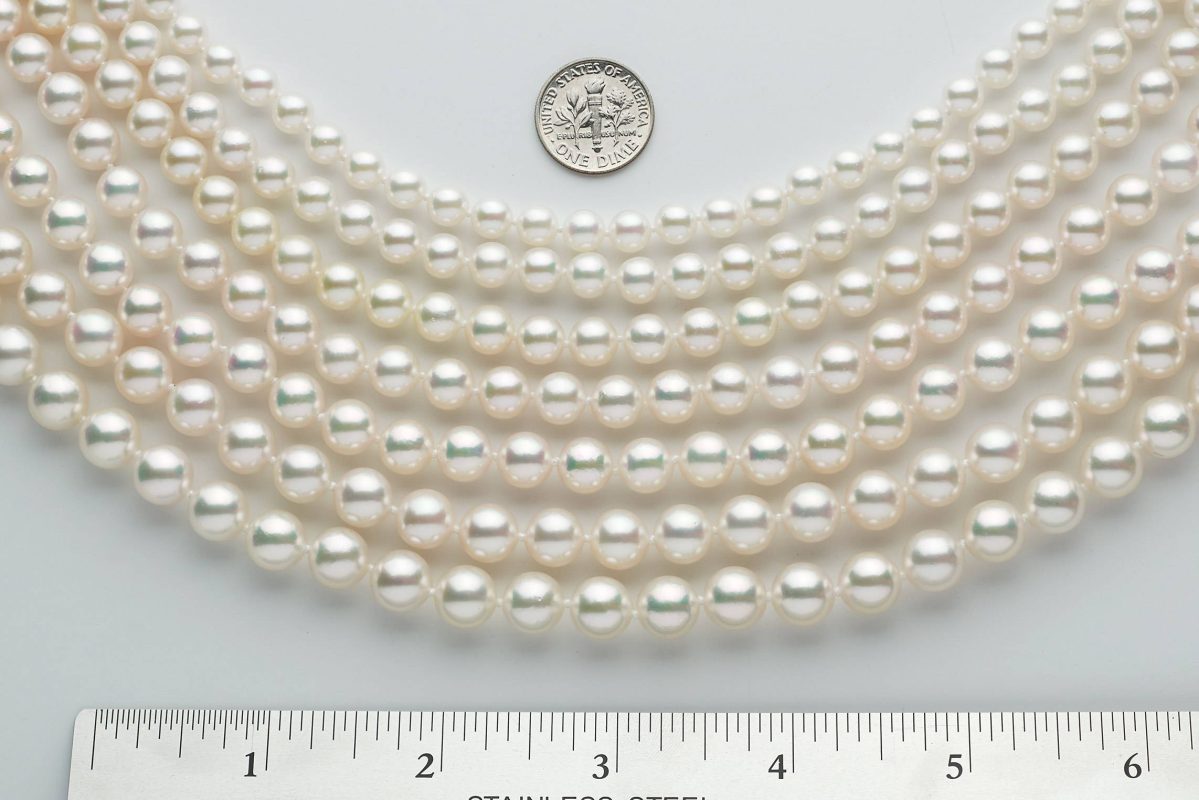
The photo below shows the most popular Akoya pearl necklace sizes from 6.0-6.5mm through 9.0-9.5mm. Each half-millimeter increase in size may not seem like a lot on paper, but keep in mind that pearls have volume as well as diameter.

A single half-millimeter increment increase can mean a 20% increase in overall size. Compare the first top two strands (6.0-6.5mm vs 6.5-7.0mm) to get an idea of how that 0.5mm measures up in real life.
Pearl sizes from top to bottom are: 6.0-6.5mm (top strand), 6.5-7.0mm, 7.0-7.5mm, 7.5-8.0mm, 8.0-8.5mm, 8.5-9.0mm and 9.0-9.5mm (bottom strand).

Pearl Size Compare with Coin


Pearl Necklace Sizes on a Model

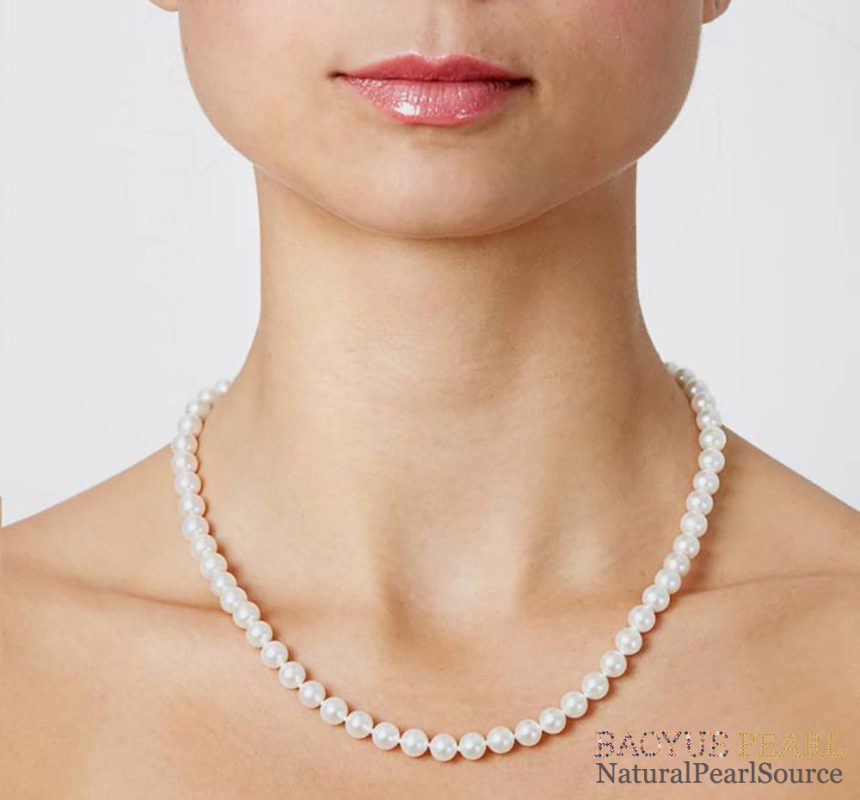
Quick Note: For your reference, our model below is of thin build, average height and is wearing an 18-Inch, Princess length pearl necklace in all pictures below. For most women, the 18-Inch length necklace will come to rest about 1.5 to 2-Inches below the hollow of the throat.


6-7mm Pearls On Model:

This necklace has a delicate and dainty pearl size; the 6.0-7.0mm size range works best for young ladies as a "first pearls" present, or women with petite builds.


7-8mm Pearls On Model:

As mentioned earlier, the 7.0-8.0mm size range is basically "The Classic Pearl Necklace", you really can't go wrong here. This size is very elegant and looks great whether you're at the office, shopping at the store, going out to dinner, special occasions, basically this size goes anywhere and everywhere.


8-9mm Pearls On Model:

The 8.0-9.0mm pearl size range is the beginning of luxury pearl territory. These pearls will have a nice "heft" to them, and look a tad larger than average for an elegant and glamorous presentation. It is most commonly worn by women 30 years old and up.


9-10mm Pearls On Model:

The 9.0-9.5mm is the largest size Akoya pearls attain, and is on the higher end for large Freshwater pearls. The 9.0-10.0mm pearl size range is luxurious in both presentation and feel. A perfectly matched necklace of 9.0-10.0mm pearls is a visually stunning strand of pearls that commands attention, yet can still be worn to both day and evening events.


10-11mm Pearls On Model:

The 10.0-11.0mm size range consists of large Freshwater, Tahitian and South Sea Pearls. Freshwater pearls will be fairly uniform in shape and size, graduating from 10.0-11.0mm, while Tahitian necklaces and South Sea strands will be graduated (i.e. 10.0-12.0mm, 10.0-14.0mm, etc.). These larger pearl sizes are very luxurious and very glamorous!


Large"Exotic" Strands: Tahitian and South Sea Pearl Necklaces

This category of necklaces features larger pearls in natural shades of black, white and gold. These pearl types are considered "luxury" pearls, and range in size from 9.0mm to 15.0mm and larger, so think: Big Pearls.

They'll typically be "graduated" in size, so a strand might be labelled as 9.0-12.0mm. What that means is that the pearls progressively get larger from 9.0mm at the clasp to 12.0mm in the center and so on.
Below are pictures of some of our "exotic" strands showing what pearl graduation looks like.

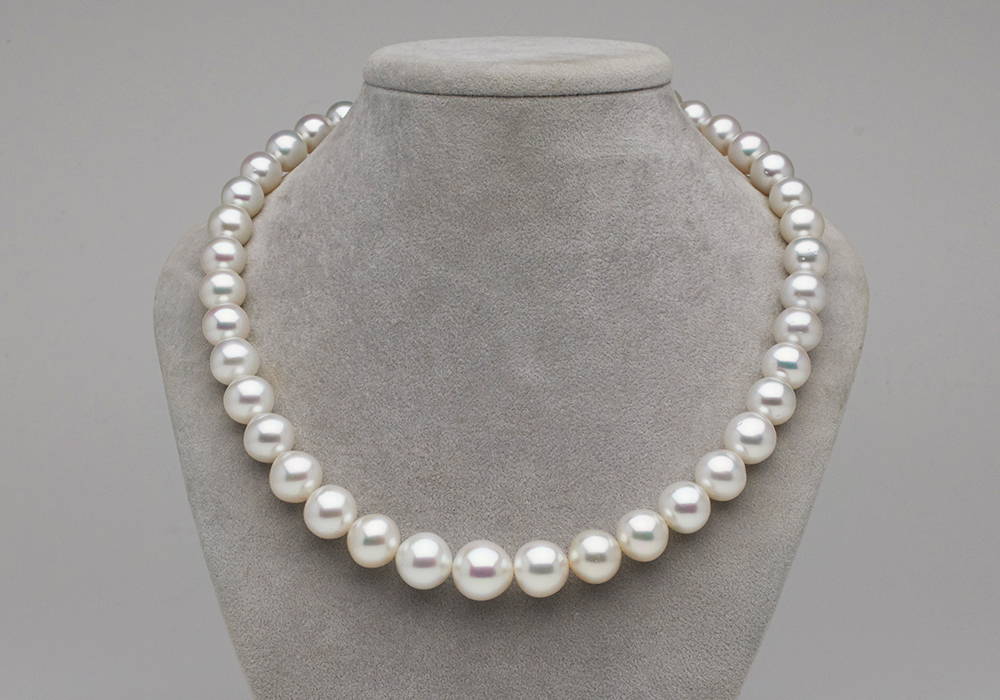
White South Sea Pearl Necklace

This White South Sea pearl necklace shown above graduates from 10.0-13.0mm approximately.

Tip: Tahitian pearl necklaces often feature a graduation rate of 2.0 to 2.5mm, sometimes larger. approximately

South Sea Pearl Jewelry Collection: Golden and White Pearl Jewelry
South Sea Pearls are one of nature's most luxurious creations. In various shades of gold and white, each South Sea Pearl sparkles with natural beauty. Each piece of jewelry in this collection features a striking South Sea Pearl within a setting that complements its natural beauty.  At NaturalPearlStrand, you can choose from South Sea Pearl earrings, South Sea Pearl necklaces with one or more pearls, South Sea Pearl rings, and more, as an indulgent gift for yourself or a special woman in your life.


Pearl Earring Sizes on a Model
The pearl stud earring is a classic piece of jewelry that every woman should have stashed in her jewelry box. The right pair of studs can go anywhere and look absolutely perfect on any occasion.
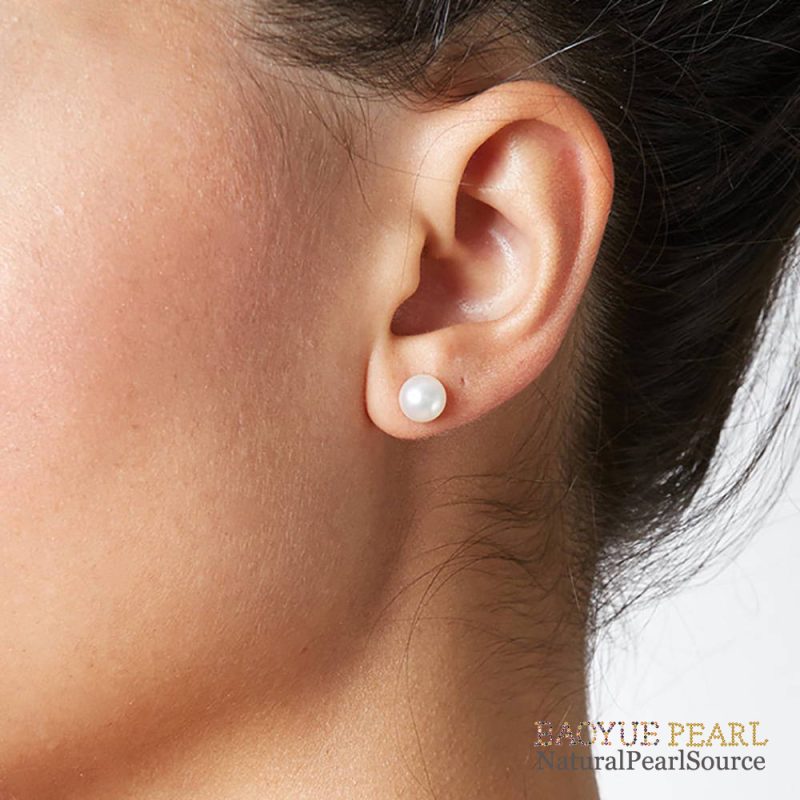
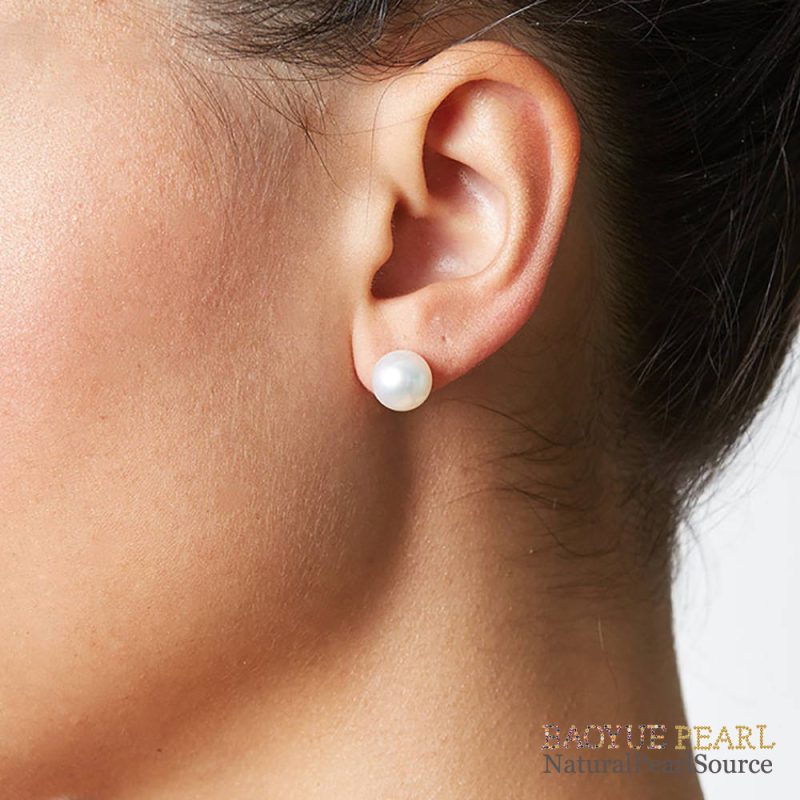
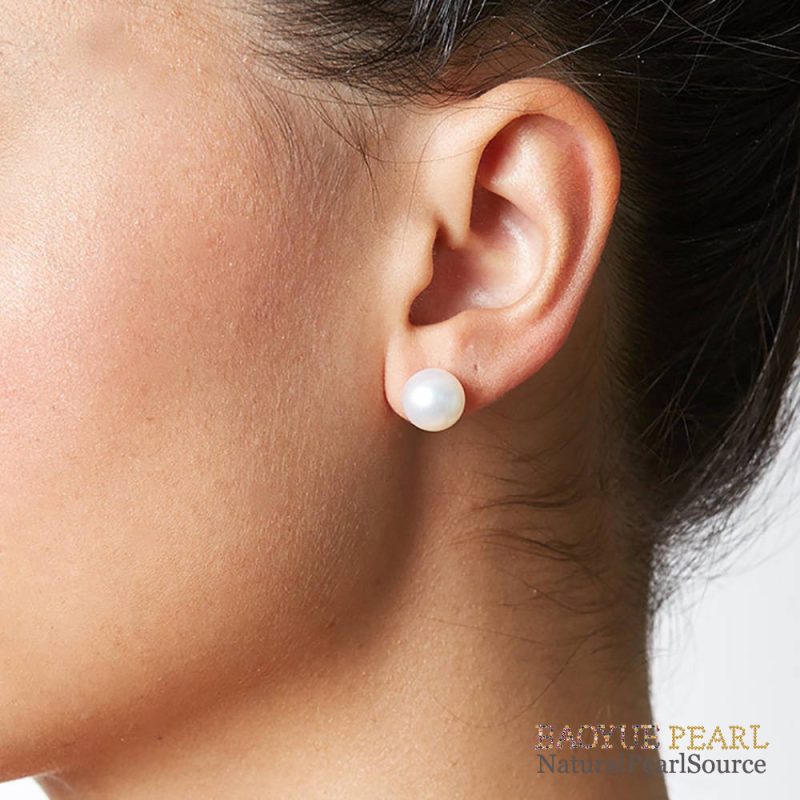
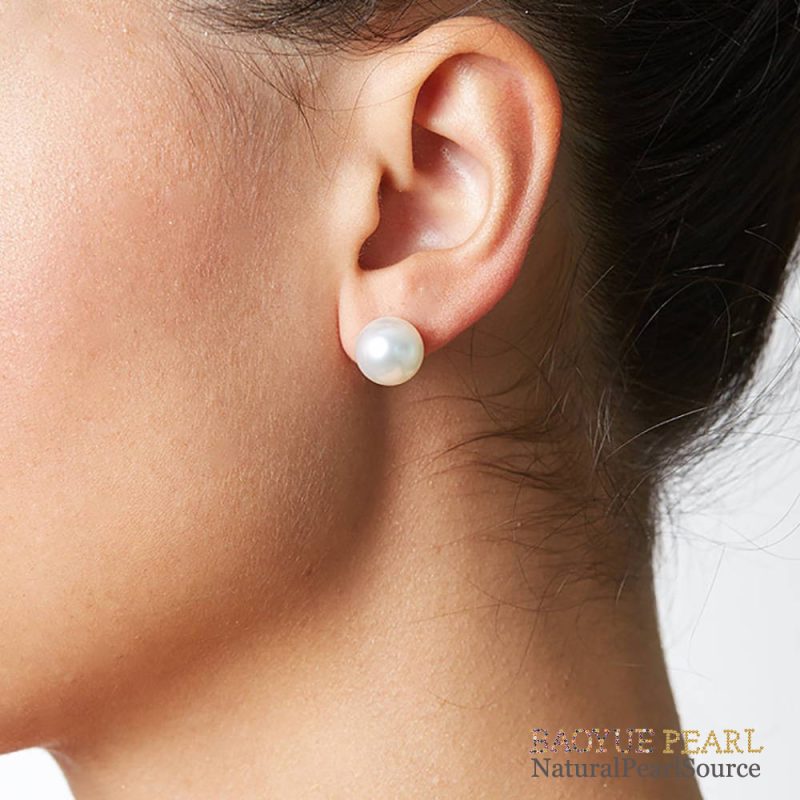
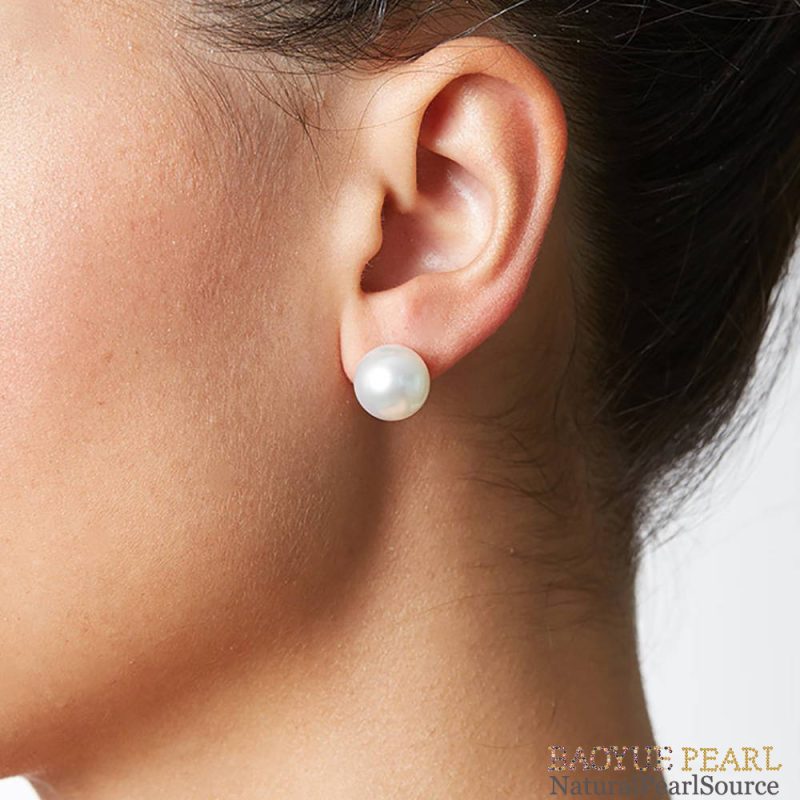
As mentioned earlier in this article, the most popular pearl stud earring size is within the 7.0-8.0mm size range. The 7.0-7.5mm and 7.5-8.0mm pearls will sit nicely on the earlobe with a demure look, and won't feel too heavy or fall forward on the lobe.


6-7mm Pearl Earrings On Model:

These are ideal for young ladies from 6 years old up to 16 years old, and women with petite builds.


7-8mm Pearl Earrings On Model:

The most popular and versatile pearl stud size for ladies aged 18 to 60. The 7.0-8.0mm size range is the epitome of "Classic Pearls", and is sure to be appropriate and beautiful no matter when or where they're worn.


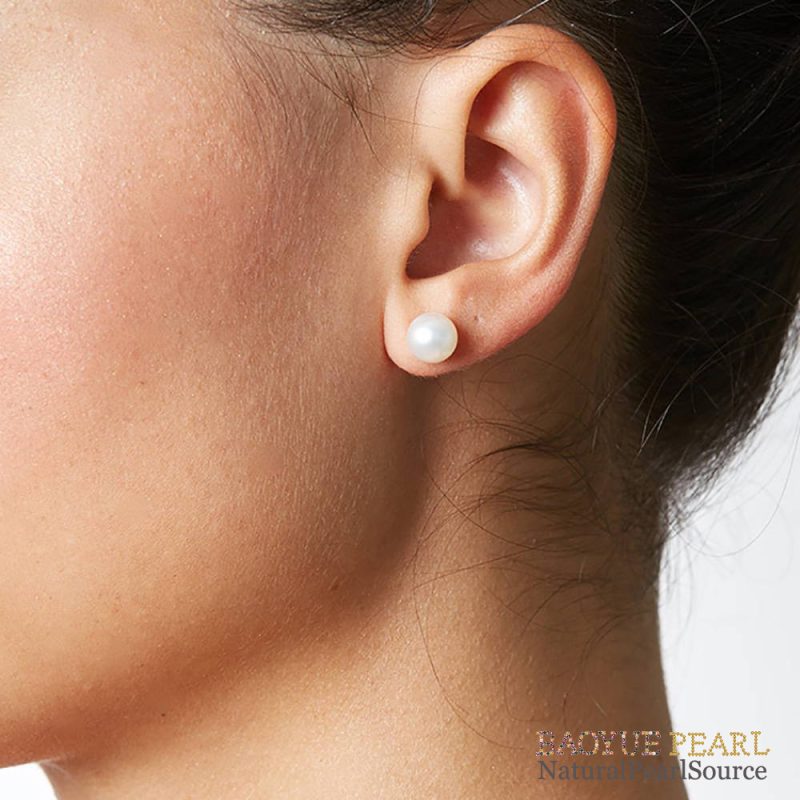
8-9mm Pearl Earrings On Model:

Easily our second most popular pearl earring size range, the 8.0-9.0mm pearls are for ladies wanting one step up from "normal". A touch more glamorous without being too dramatic, and still comfortable on the ear.


9-10mm Pearl Earrings On Model:

The 9.0-9.5mm is the largest size for our Japanese Akoya pearls, and generally our smallest for South Sea pearls. This size is elegant and beautiful, and also stays within a demure range without getting overly dramatic.


10-11mm Pearl Earrings On Model:

The 10.0-11.0mm pearls are right in the "sweet spot" for luxury pearl earring sizes. You'll find very large Freshwater pearls and smaller Tahitian and South Sea pearls in this size range. These pearls still have a moderate feel and weight, and won't fall forward off the ear.


11-12mm Pearl Earrings On Model:

What women love about 11.0-12.0mm size pearls is that they are unmistakably high-end, luxury pearls. Luminous and luxurious, Angelina Jolie is known for sporting this stud size (and larger!) to many of her red carpet events.


12-13mm Pearl Earrings On Model:

The 12.0-13.0mm pearl size is one of our largest available, and the largest stud size we recommend for women. Consider dangle earring styles for pearls measuring over 13.0mm due to weight issues. The 12.0-13.0mm size range consists of larger, exotic pearl types like the White and Golden South Sea pearls, black Tahitian pearls and in rare cases, Freshwater pearl types.


Pearl Sizes by Pearl Type

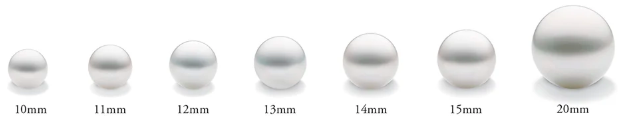
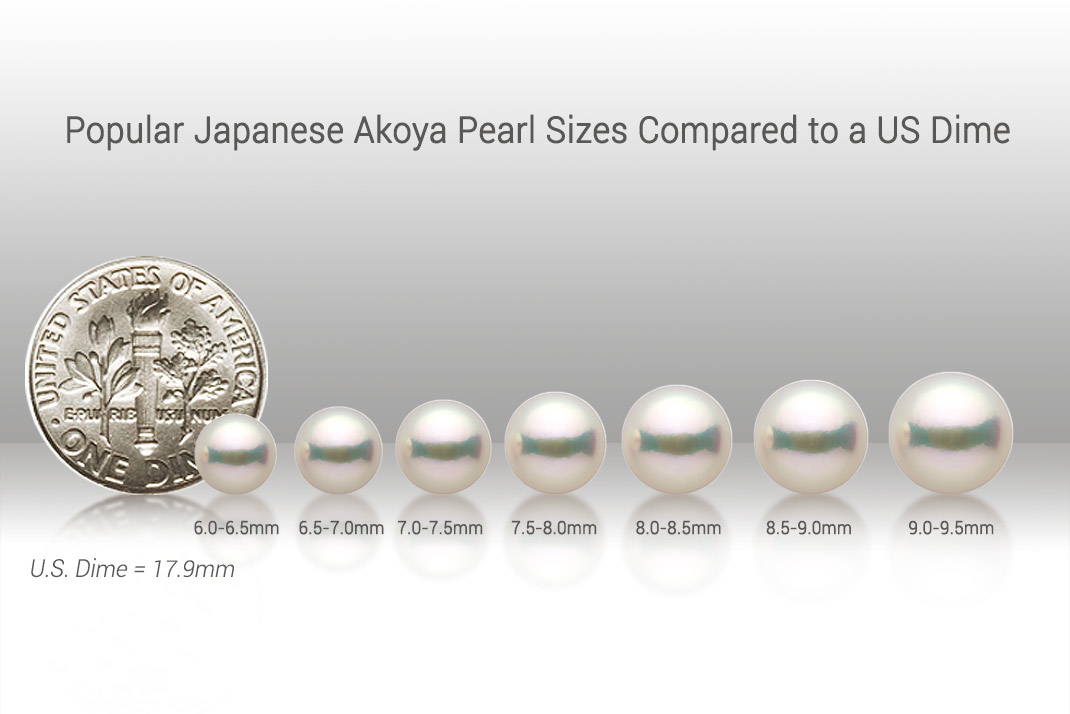
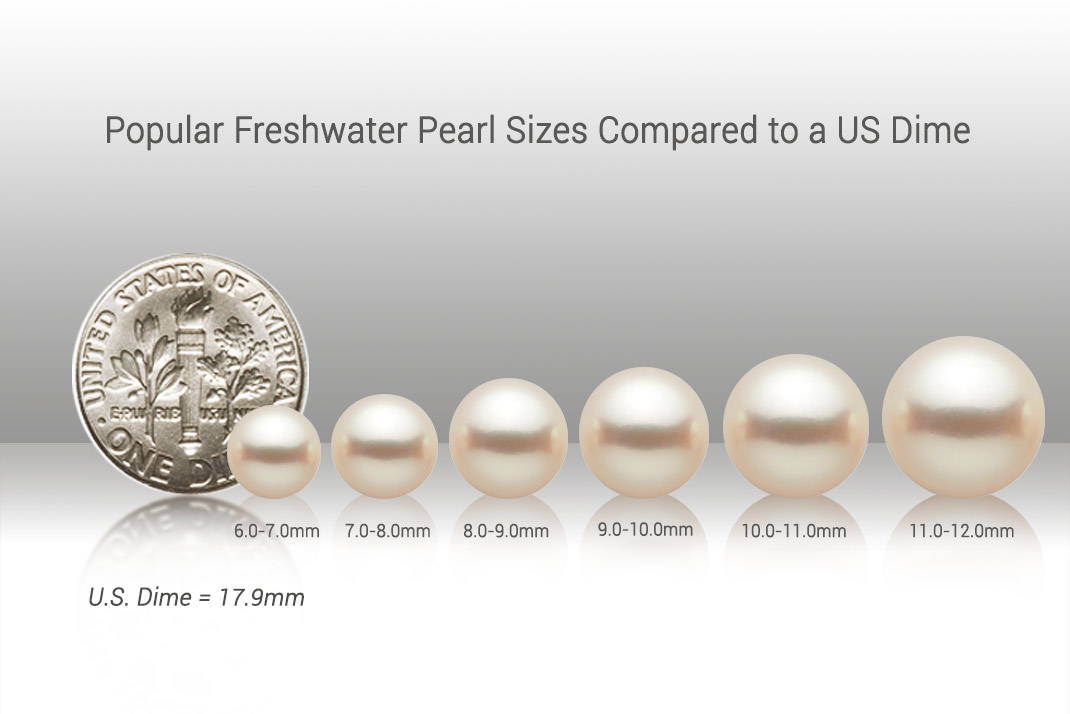
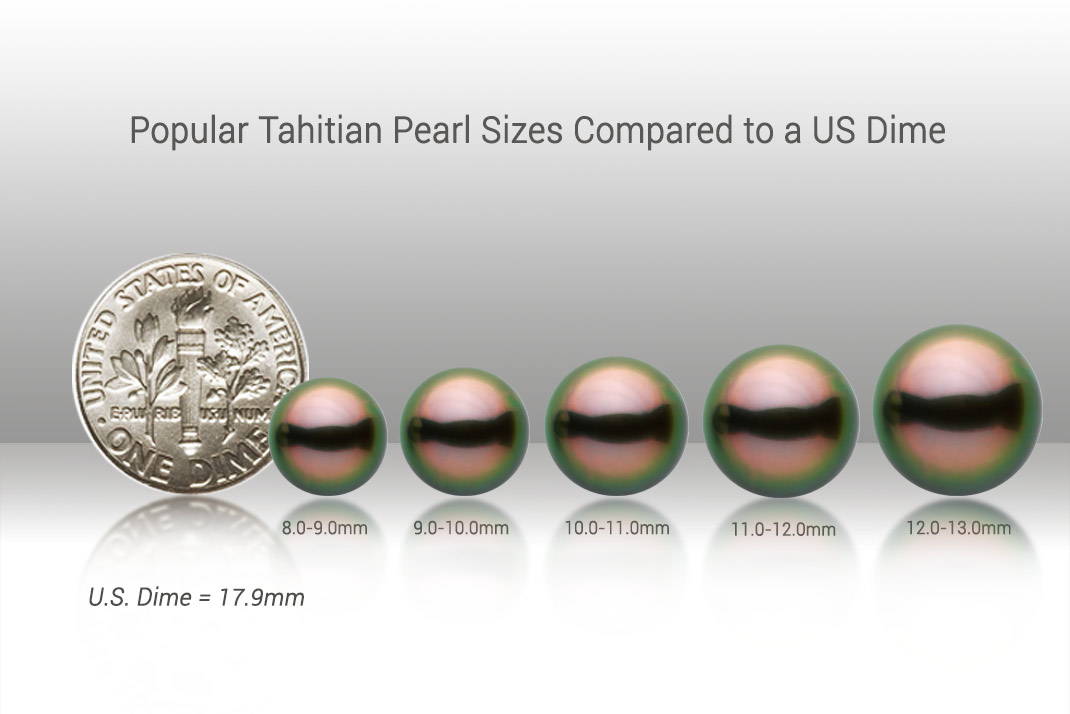
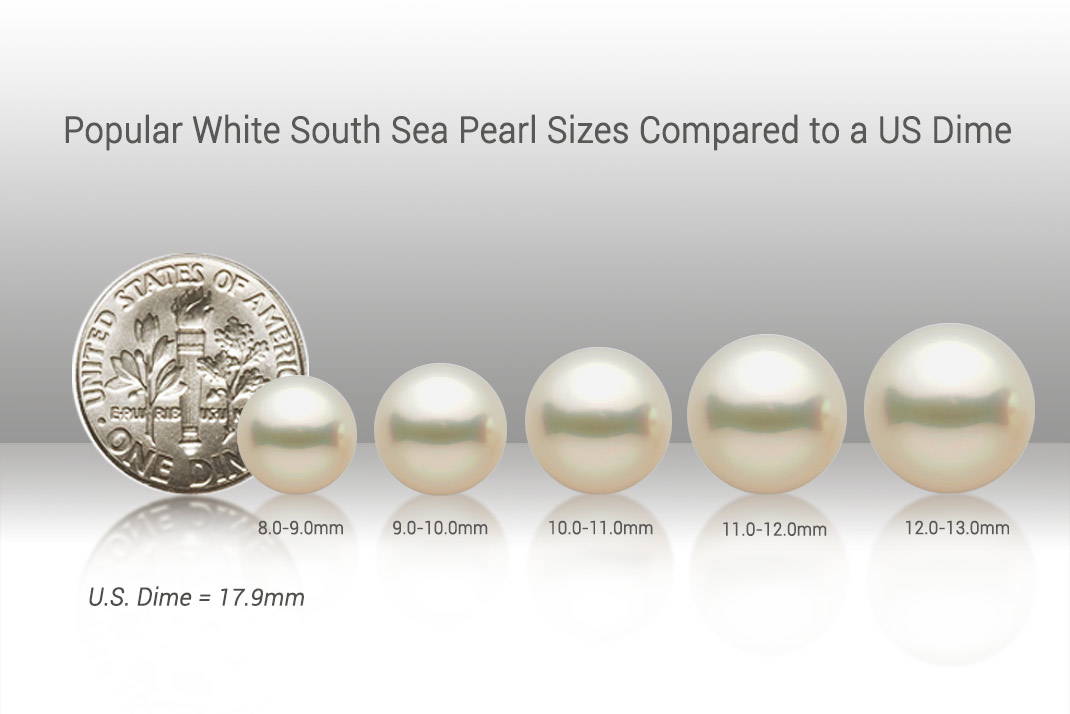
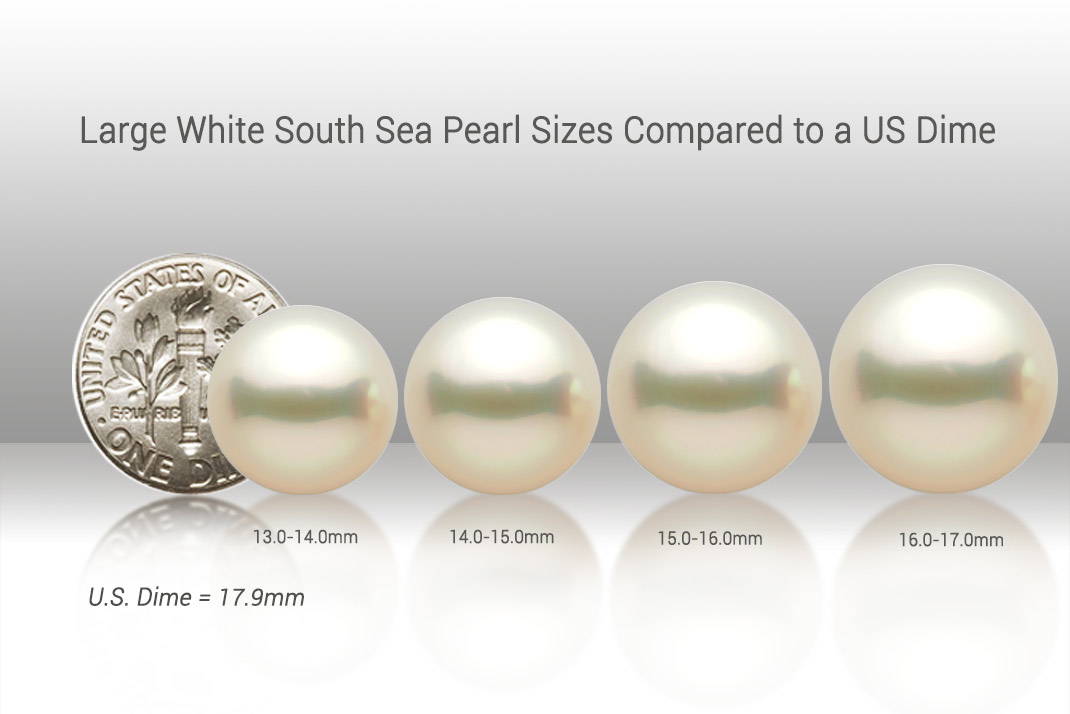
These pictures all show the main pearl types: cultured Freshwater, Japanese Akoya, black Tahitian and White and Golden South Sea pearls with their most popular sizes as compared to a US Dime. Keep in mind these images are not intended to show the exact size of the pearls, but the size range available in each pearl type.

Akoya Pearl Sizes

Japanese Akoya pearls range in size from 2.0mm "seed" pearls up through 9.5mm and very rarely, 10.0mm. The most popular and common sizes you'll find today range from 6.0-6.5mm through 9.0-9.5mm pearls.


Freshwater Pearl Sizes

Cultured Freshwater pearls come in sizes that start as small as 4.0mm and range up to 12.0mm and lately, larger! The most common and popular Freshwater pearl sizes found today range from 6.0-7.0mm up through 10.0-11.0mm.

Tahitian Pearl Sizes

Exotic black Tahitian pearls are naturally larger-sized pearls, ranging from 8.0-9.0mm up to 15.0-16.0mm and larger. The most common and popular size range is from 9.0-10.0mm up through 13.0mm.

South Sea Pearl Sizes

Both White and Golden South Sea pearls are famous for being the largest pearls available in the world. They range from 8.0-9.0mm up through 16.0-17.0mm on average, and can sometimes attain sizes of 20.0mm. The most popular pearls range in size from 9.0-10.0mm through 13.0-14.0mm.

Large Pearl Sizes

Cultured White and Golden South Sea pearls can attain some incredibly large sizes ... pearls measuring over 20.0mm have crossed my desk from time to time. Due to their rarity, very large South Sea pearls command premium prices atarting at $1,000 for a single pearl, minimum.

How to choose pearl necklace lengths ? please check below article to find more information:
Pearl Necklace Lengths.


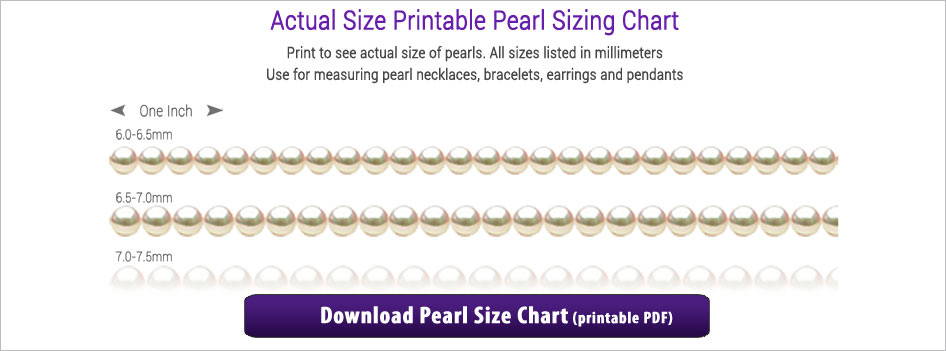
♦ Pearls Sizes in REAL Life (Printable PDF)

This handy little printable PDF is useful for seeing seeing how large (or small) you can expect the pearls you're purchasing to be. We've included the most common and popular pearl necklace sizes from 6.0-6.5mm through 9.0-9.5mm.

Pro Tip:  you can use this guide to determine how many pearls per inch to expect for each necklace (not including knots).

To view EXACTLY how each pearl size will appear in real life, download and print our PDF guide here


Get more pearl grading by type?
Click the links below to head directly to each pearl type:


Pearl Origins

Pearl Origins: Diving Deep Into the History of Cultured Pearls

In countless cultures around the world, the pearl has its own origin myth. Arabs believed these gems were the result of the tears of the gods, fallen into the ocean and making their way into the oysters. The Greeks believed that the goddess of love, Aphrodite, shed pearls for tears.
Even the Gates of Heaven were described as carved out of pearl in the Bible. Krishna, the Hindu god gave his beloved wife pearls when they were wed.
The History and Origins of the pearl could fill many volumes, but we've condensed this article to the most important facts to know about this marvelous gemstone. Read the whole article, or use the linked Table of Contents below to skip directly to the points that interest you most.

A Brief History Of Pearls
Ever since the first pearl was found gleaming inside a shell, pearls have been both coveted and treasured by humans the world over. Originally, the only pearls to be had were natural, wild pearls cultivated by oysters and mussels themselves over the years. Throughout history, pearls were greatly desired gemstones by royalty, merchants, explorers and traders.

The Romans greatly revered pearls, and decreed that only men and women of high birth would be able to wear them. During a brief period of the British Empire, pearls were also reserved exclusively for royalty and nobility. This policy appeared to have reigned throughout most of history, although not necessarily by regal decree. The cost of pearls was so high that most ordinary people were simply unable to afford them.
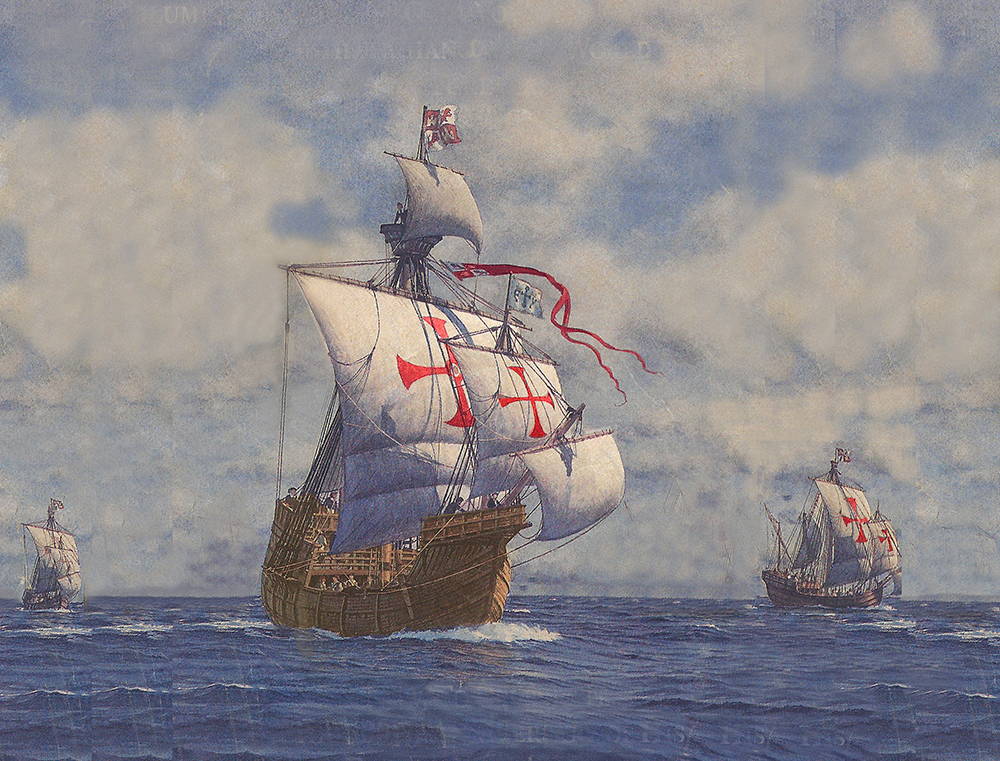
The royal passion for pearls launched Spanish armadas to the Mexican Gulf, France to French Polynesia and the British to Australia. Once there, they wasted no time in harvesting as many oysters that they could reach.

Spanish Armada Sails to the Americas

Unfortunately, not all oysters contain pearls, and many of the creatures were simply forced open and then discarded when no pearls were found.

Going to the ends of the earth to obtain pearls by any means necessary, the over-harvesting of oysters in pearl-producing regions nearly brought the humble oyster to extinction world-wide.

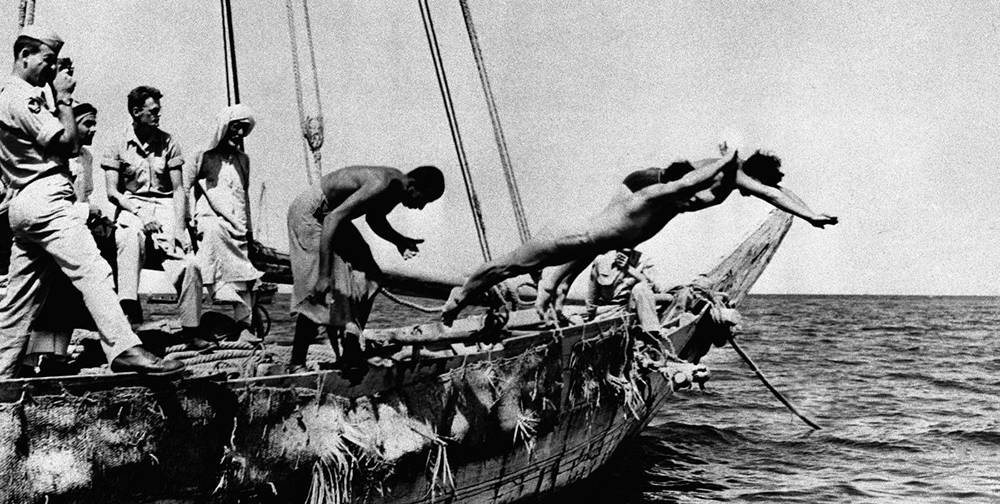
Pearl divers fishing for pearls off the coast of Qatar.

The Birth of Cultured Pearls
The advent of modern culturing technologies halted the devastation of the world’s natural oyster population, and allowed pearl lovers around the world to enjoy these unique and lustrous gems at prices that would be inconceivable to those early explorers.

Cultured Akoya Pearls

Akoya Pearl Glamour

The science of getting an oyster to cultivate a pearl began in the early 1900’s in Japan. Kokichi Mikimoto, considered the father of the modern cultured pearl industry, began experimenting with nucleating Akoya pearl oysters and was finally successful in cultivating pearls after nearly a decade of experimentation. At about that same time, a government biologist, Tokichi Nishikawa and a carpenter, Tatsuhei Mise had both been working with pearl formation and also successfully nucleated the Akoya pearl oyster. The special grafting needle that Mise invented was granted a patent in 1907.
Meanwhile, Nishekawa applied for a nucleation patent of his own, and discovered Mise’s patent in the patent office. They united for their common goal, and created the Mise-Nishikawa method which is still what most grafting technicians use today. Mikimoto took their method a step further by adding a step of his own to create perfectly round Akoya pearls, and this altered patent was granted to Mikimoto in 1916. He then proceeded to create the Mikimoto Pearl Company, and began spreading cultured pearls around the world.

Japan Akoya Series Pearls
The Ultimate Guide to Hanadama Akoya Pearls
Japanese Akoya vs Chinese Freshwater Pearls

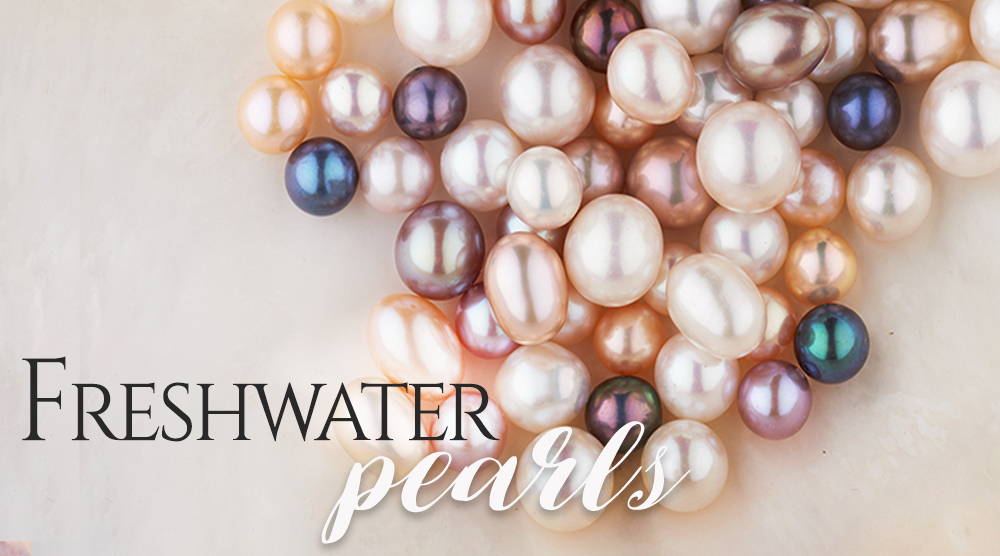
Cultured Freshwater Pearls

Freshwater Pearls Glamour

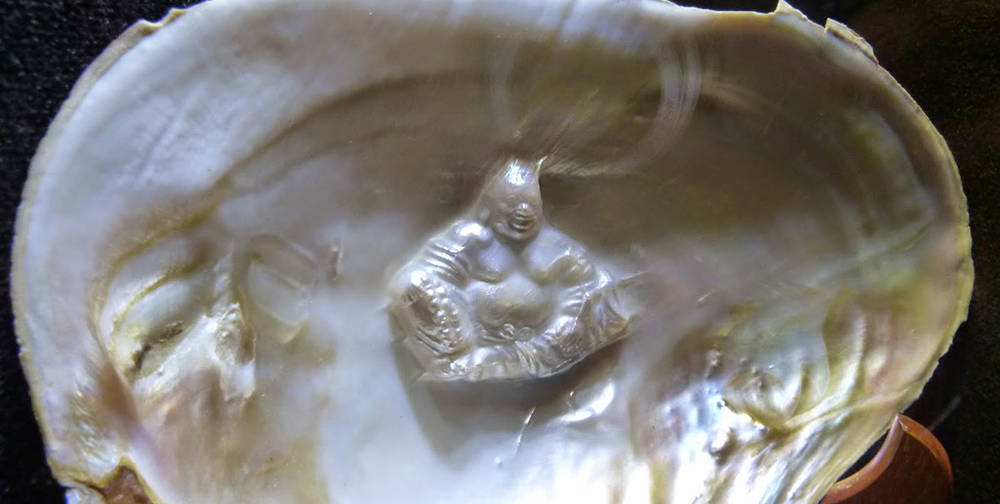
The Chinese had been cultivating Freshwater mabé pearls for hundreds of years. They learned early on how to implant a metal form or mold against the inner shell of the mussel and submerge it in the water for a few years while the mollusk coated the form with layers of nacre. The result would be a pearlescent figure coated with thick layers of nacre. The most popular form was a small sculpture of Buddha, but many other shapes were made as well.

Buddha Blister Pearl in Pearl Shell

Actual whole pearl production didn’t begin in China until the 1970’s when it flooded the markets with small, crinkly-textured pearls known as ‘Rice Krispie’ pearls due to their appearance.
As the decades have passed however, Chinese cultivation technology has rapidly improved. Today, whole, round Freshwater pearls are available that rival the saltwater Akoya pearl in luster, shape and smooth, blemish free surfaces - at nearly half the cost. Freshwater pearls are available in a variety of natural colors such as pink, peach, lavender, white and shades in between.

Some of the more recent developments in Chinese Freshwater pearl culturing have produced pearls like no one has ever seen before - intense metallic luster, a rainbow of colors, and baroque shapes have opened the doors to pearl connoisseurs looking for something unique and lovely. Pure Pearls is proud to carry both round and baroque Freshwater pearls, along with Kasumi-style and Edison pearl varieties available upon special request.

Read the Ultimate Guide to Freshwater Pearl Grading

Cultured Tahitian Pearls

Tahitian Pearl Glamour

The famed black Tahitian pearls were revered by the Polynesians as gifts from their god of love and fertility Oro, who was said to have come to the islands on a rainbow which imbued these gorgeous gems with their myriad colors.

After the French arrived in the 1600’s and began colonizing the French Polynesian islands, they too quickly became enamored of these colorful and unique pearls. They began harvesting every pearl oyster they could; the shells were prized for their iridescence and used as buttons or mother of pearl inlay in Europe.

The harvesting of the oysters nearly drove them to extinction; a limit on harvesting the oysters was decreed in 1880 to try and nurse the remaining wild stock back to health. Much later, in the late 1960’s, modern pearl culturing methods and the first pearl farms came to the islands. Forty years later, the Tahitian pearl makes up about 20% of the pearl market, and is one of the most popular pearl types for jewelry buyers.

Read the Insider's Guide to Tahitian Pearl Grading

Cultured South Sea Pearls

South Sea Pearl Glamour

White and Golden South Sea pearls were found all along the coast of Australia, as well as the Philippines and Indonesia. The indigenous natives used the natural pearls as part of religious ceremonies and dream interpretation.
The colorful and intensely iridescent shells of the pinctada maxima oyster were also highly sought after by British colonists for use in buttons and mother of pearl inlay designs, and so this large and beautiful oyster was also nearly over-harvested to the point of extinction.

The first pearl farms were started in 1956 at Kuri Bay by an American entrepreneur and a Japanese grafting technician. The famous Paspaley Pearl Company opened their first pearl farm in 1962, and another in 1970 in Knocker Bay, which became a roaring success. Not only did Paspaley become famous as producers of the finest South Sea cultured pearls in the world, but their efforts at sustaining and nurturing the native wild oyster population kept these animals from extinction.

Read the Insider's Guide to South Sea Pearl Grading

The Modern Pearl Market
Today, nearly 99% of all pearls available are cultured pearls.
Whether Akoya, Tahitian, Freshwater or South Sea varieties, pearl farms have spread all over the world. Modern culturing techniques are so advanced that there has never been so many high quality pearls available to anyone who wants to buy them, with new and astonishingly beautiful pearl varieties and hybrids appearing every few years. At naturalpearlsource.com you’ll find a curated selection of only the finest cultured pearls.
Interested in Learning More About Pearls ? Any other questions ? Visit BAOYUE Pearl Education relevant articles to get the answers.


Get more pearl grading by type?
Click the links below to head directly to each Pearl Grading Guide:

What's Baroque Pearl ?

What's A Baroque Pearl ?

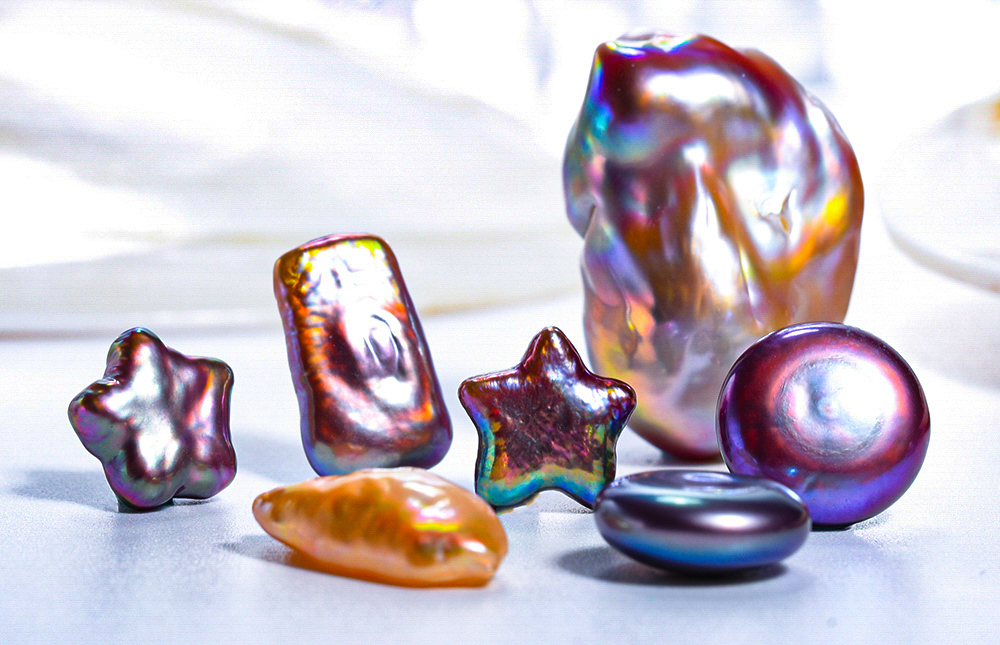
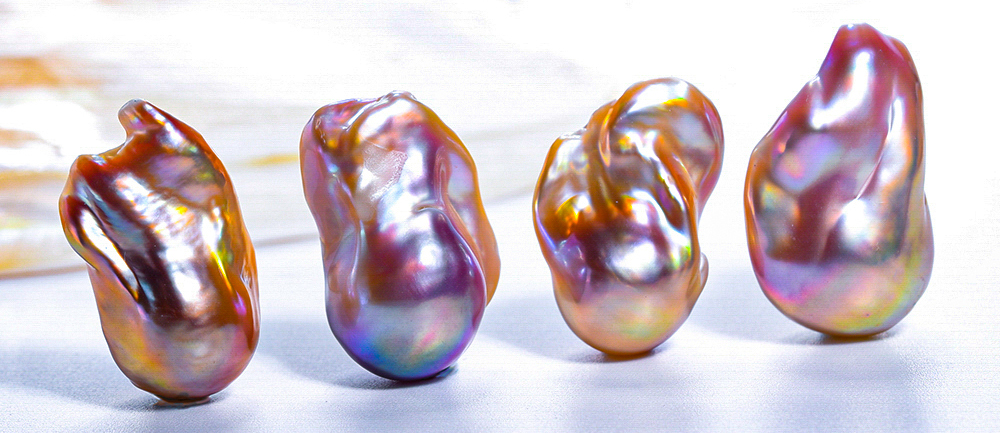
Most people think of Baroque as a variety of pearls, but the word "Baroque" actually refers to the shape of the pearl. (It can also be understood abstractly as Baroque)
Baroque pearls have a very beautiful color and dazzling brilliance, which is formed by a "pool" in the nacre (an area created by the baroque shape where the nacre can accumulate and the rest of the pearl goes deeper) , which also constitutes a unique attraction.

Baroque Pearls: Name Etymology and Popularity

The term ‘baroque’ finds its origins in the Portuguese word for ‘imperfect’ – ‘barocco’ in Portuguese. The term was first used in relation to a pearl in a French dictionary from the end of the 17th century, describing a gem that is imperfect in shape (off-round).
Baroque pearls gained a lot of popularity during the Renaissance years, when jewelers valued the gems for their unique and organic beauty. Their main use: in the creation of small figures, where the pearls were used as actual body parts. The finest example is a piece from the 16th century called ‘The Canning Jewel’, where a large baroque gem is used as a merman’s torso (see here).
The famous painting ‘Girl with the Pearl Earring’ by Johannes Vermeer depicts a young girl wearing a very large baroque pearl earring. The art piece, which gained its nickname as ‘Mona Lisa of the North’ was painted in the 17th century, during the Dutch Golden Age.
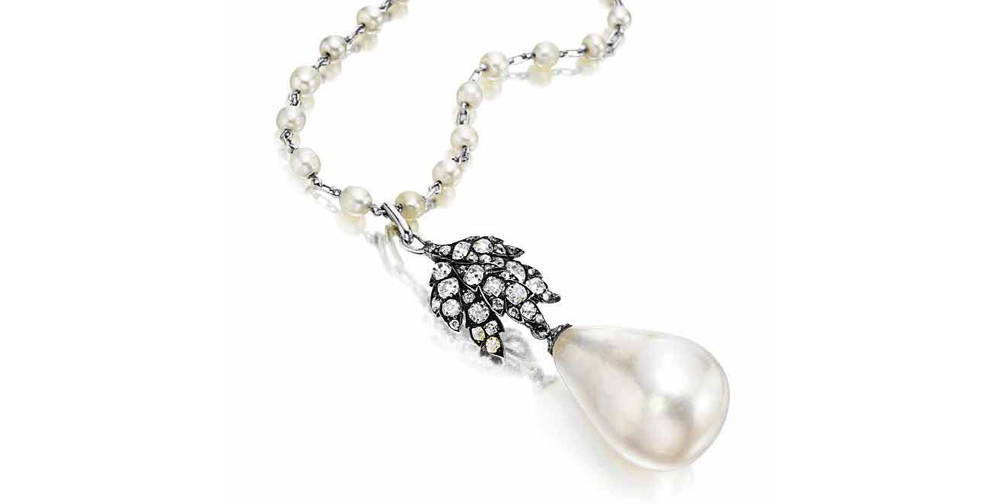
The most famous baroque pearl in the world is no other than ‘La Peregrina’. The gem has a long and rich history since being discovered in Panama in the 16th century. It as once owned by Napoleon, as well as by British royals, it was lost many times and later found, only to end up in the possession of Hollywood royalty.

The vast majority of freshwater pearls are baroque because these gems are mantle tissue nucleated and not bead nucleated. As for saltwater off-round pearls, Akoya pearls are rare, and both South Sea and Tahitian baroque gems are available (although often teardrop shaped) and valuable. The latter two are produced by Pinctada Maxima (gold and white lipped oysters) and Pinctada Margaritifera (black lipped oysters).
Almost half of the cultured Tahitian pearls are of the baroque and semi baroque pearls kind (slightly irregular in shape). While baroque pearls present irregularities all over, semi-baroque are usually of a more symmetrical shape (such as an oval or round), with irregularities usually found on one end.


Baroque pearls are broadly classified into two type - Asymmetrical and Symmetrical

1. Asymmetric baroque pearls
Asymmetric baroque pearls are more common than symmetrical baroque pearls due to their unique, irregular shape, and are much cheaper. Because of its unique shape, it has also been welcomed by countless designers and jewelry connoisseurs over the years.

2.Symmetrical Baroque pearls
Although we often divide pearls such as "oval or teardrop" into the category of "Baroque beads" (because they are not round), due to their high rarity and symmetrical shape, a pair of symmetrical Baroque pearls Pearls can be worth considerably or even higher than round pearls.

Got a question about a product ? Need someone to help guide you through our website ?
Got feedback? Go to BAOYUE Pearl Education link: BAOYUE Pearl Education page to read some relevant articles about pearls.
For Normal Questions, please check FAQ , and for other question, feel free to Contact Us , we make it easy for you to get in touch with us ! enjoy browse .


Get more pearl grading by type?
Click the links below to head directly to each Pearl Grading Guide:

frequently asked questions

Frequently Asked Questions

Got a question about a product? Need someone to help guide you through our website?

Got feedback? We make it easy for you to get in touch with us!

The Following are the most Frequently Asked Questions by our customers, you can click the Question links to check our answers, many thanks for your attention !

FAQ - Orders:

Q1: How do I place an order?
A: As we focus on the natural pearl wholesale, we don’t list the pricing on the website, You can send an email to info@naturalpearlstrand.com to get a Free Quote or New Arrivals. Welcome any questions or requirements, and Our Sales representative will contact you via e-mail shortly. Or Feel free to give us a Call: 0086-18158796699 WeChat & WhatsApp: +8618158796699 (Wechat ID: baoyue-export) (WhatApp is preferred, as sometimes there’s network problem to other countries when we use Wechat in China )
Q2: What is the minimum quantity to order with you ?

A: The minimum order depends on your required colors, sizes and items. Please send email to us about your order details, Our Sales will inform you of the minimum quantity for each pearl.

Q3: How much time you need to ship the ordered items ?

A:  If we have your ordered items ready in our stock , then we can ship it immediately (usually within 1-3 days).

If unavailable, Normally production of Freshwater pearls, Akoya Pearls, or South sea pearl and Tahitian Pearls are from 7-10 Days depending on the quantity ordered.

Custom orders will take 10-15 days.

If you need a rush order, contact our representatives to discuss your specific needs.

Q4: What are your payment terms and payment receiving methods?

We have our policy of taking 100% advance payment for all the orders. We accept payments through PayPal, Western Union and direct bank wire transfer. We will start working on your orders only after the payment is made.

What are your payment terms and payment receiving methods?

A: Pay by PayPal:
100% Guarantee What you ordered ! 
After you confirmed your Order, We’ll send you a PayPal invoice for the appropriate amount to make it easier to submit payment.  and total value of goods is less than 500 USD.
If you encounter any technical difficulties in sending payment through PayPal, please don’t hesitate to email us. 

B: Pay by Western Union:
The fastest way to send money worldwide!
See the Details: http://www.westernunion.com

C: Pay by Wire Transfer:
After you confirmed your Order, We’ll send you a Proforma Invoice(Including our Bank Account Information) for your order and the appropriate amount to submit payment.

Q5: How do I check the status of my order?

A: Our Sales representative will tell you the Every order details and status of your order within 24 hours.

Q6: Top reasons for order delays?

A: We try our best to ship orders as quickly as possible, with about 98% of all orders shipped and delivered on time.

Top reasons for order delays:

All of orders are normally shipped to you immediately once the production is finished, assuming placed on a regular business day, availability, and paid without complication. Some delays, however, may occur. The following list of the top reasons for these delays is provided to help customers to understand the process and avoid delays. Please e-mail us if you have any questions or suggestions. Order Delays can be the result of the following.

1.Payment are Not Summit on Time or We can not confirm your payment. 

2.Incorrect shipping address. Please know that we do everything we can to minimize this issue by emailing customers to verify if an address seems problematic. However it is the responsibility of the customer to verify the accuracy of shipping information, and to take the time to look over your order. An email confirmation of your information can go a long way towards speeding up your order. 

3.Holiday Delays. Courier Express(DHL,UPS,FedEx,EMS,TNT)does not guarantee any shipment timeframes during the winter holiday season. Make your purchases and arrangements early and avoid the holiday rush!

4.Item not in stock, or backorder. We will contact you if you have ordered a backorder or out of stock item with an expected arrival time. Most backorder items are listed as such on our site, so take the time to check and make sure that the item isn’t marked waitlisted if you need it in a hurry!

5.Orders placed during non-business hours. We are open 9:00 – 17:00  Monday – Saturday.Orders placed out of office hours, over the weekend & on holidays will not be processed until the next business day.

Q7: Can you help us to make customized pearls accessories ?

A: If you need to customize pearl jewelry according to designs or requirements, and ask us if we can help them to do this work.

In fact, This is also our company’s unique advantage. as our company is located in Zhuji, very nearly with Yiwu International Trade Market, many pearls jewelry factories and shops cooperate with us, which can customize high-quality or cheap pearls accessories for customers according to requirements, if you need to make natural pearls accessories, it’s easy and convenient to cooperate with us to get factory direct prices pearl accessories.

FAQ-General Questions:

Q1: How do I contact customer support?

A: Please know BAOYUE PEARL WORKING TIME:

BAOYUE’s office is situated in the China, we answer phones 9:00 – 18:00 (GMT +8:00) Beijing,China, Monday – Saturday 9:00 – 18:00 (GMT +8:00).
You can send an email to info@naturalpearlstrand.com to get any questions, and Our Sales representative will contact you via e-mail shortly.

Q2: Do you have a catalog and Price list?

A: As you can see, we’re dealing many kinds of natural pearls ( freshwater pearls,Tahitian pearls, south sea pearls, akoya pearls, baroque pearls, Gem pearls, and so on ), There’re many difference shape/size/color of the pearls,That’ll be thousands of pricing. and we focus on wholesale market, don’t list the price on our website. 

Please kindly spend some time to list the details (Sizes, colors,Shapes/Cuts and QTY for each) of the pearls you’re running out of stocks or the pearls you’re planning to purchase recently, then we’ll check whether they’re available or not & send you the quotation accordingly. —-It will save both of time.

Usually, we came in this way:
Step 1. Pricing for your planning order,
Step 2. if our prices were acceptable for you, let’s come to a trial order or samples,
Step 3. Through the trial order or samples, you can test our quality and service, then you’ll have an idea whether we’re the trustful supplier you’re looking for.

Q3: Can I get the Free Sample Before Order?

A: It’s understandable for us to arrange the shipping of the sample for your quality checking before placing orders/ trial orders for the first cooperation.

Normally, Sample value not too much or there’re few samples, that will be free of charge. But, you have to pay the freight cost.—this is our sample policy. As there are too many customers demand for samples, it would be a heavy cost if we pay all the freight charges for every customer. Therefore, hope you could understand.

As a courtesy, we’ll refund a half of freight cost to you after you place the order (Depends on the quantities you buy).For the Freight cost shipped worldwide, you can refer to our Shipping/Sales Tax –link of our website.Or if the prices were cheaper by your Courier account (as UPS, FedEx, DHL,TNT etc), you can provide account No. and we’ll send samples through your courier by freight collect. 

Q2: How can I get samples promptly?
A.You can contact our sales representative via email, fax, or phone to specify specify the sample you need.

Q4: How much can I depend on your packaging procedures?

A: You can completely depend upon our packaging systems.

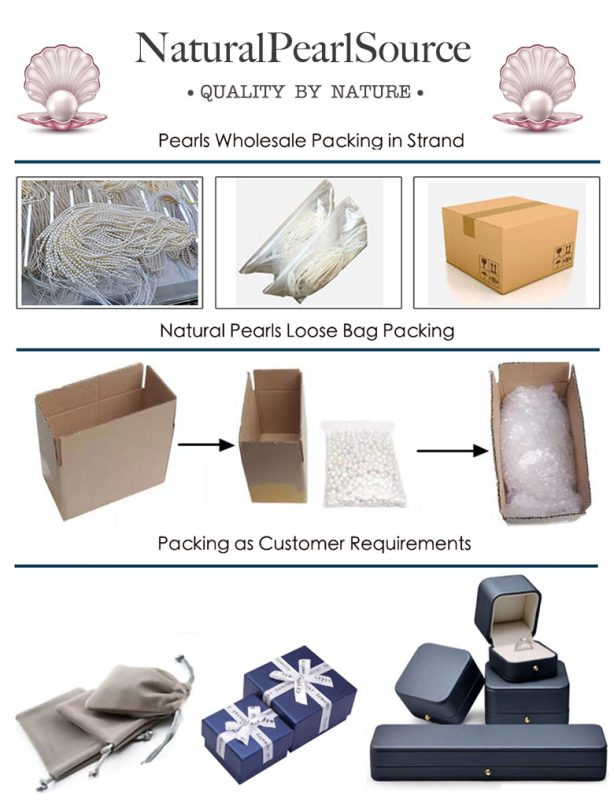
We diligently ensure that all the items reach you safely without any faults. If you have any special instructions for packing then please inform us at the time when you place an order.

Q5: What are your shipping procedures?

A: We ship through Registered Mail, EMS speed post, DHL , UPS , FEDEX, TNT, Aramex. Etc.

The parcel reaches your home / shipping address which ever you confirmed to us.

We immediately inform the tracking details of the shipment and continuously assist our clients till they receive the parcel in hand.

Q6: What are the shipping charges?

A: We ship worldwide.

The shipping charges depend on the weight of the package and the location. Below is shipping charges for package below 500 grams for your reference.
Registered Mail – $10 (Transit time 20-35 days to all countries)
DHL – $28+ (Transit time 3-5 days to USA, Canada, Australia and Asian countries)
DHL – $26+ (Transit time 3-5 days to Europe and Middle East)

For other countries, please e-mail us and we will quote you the shipping charges. any more details, please click this link to know more: Shipping cost and Sales Tax

Thanks for your attention.

Q7: Do I need to pay any other charges than the cost of items and shipping?

A: If you are sending the payment through PayPal, there is a Service tax at the rate of 4.4% of the total amount you are paying. In case of bank wire transfer internationally, this fee is 2% of the total amount. This is to be paid by the buyer.

Q8: Do I need to pay any import duty charges in my country for the goods I order with you?

A: We normally take all necessary steps to avoid any duty charges being levied on our clients in their country. However the Custom Duty procedures of your country are beyond our control .

At some point of time its quite possible that you are charged with the Custom Duty by the Custom department of your country. You need to pay that on your own.

Q9: If I want to return goods for some reasons, how can I do it?

A: Usually we do not face such situation because there are no quality issues with us. In some special cases if you wish to return the goods please write us and we will give the best way out for it.

Q10: Do you offer real wholesale farm direct prices for the items?

A: Yes we do.

Please e-mail us your requirements with quantity to get wholesale quotations. If you have any more questions please e-mail us at info@naturalpearlstrand.com. or call us directly, We will get back to you within 24 hours.

FAQ-Products:

What Is Freshwater Pearl ?

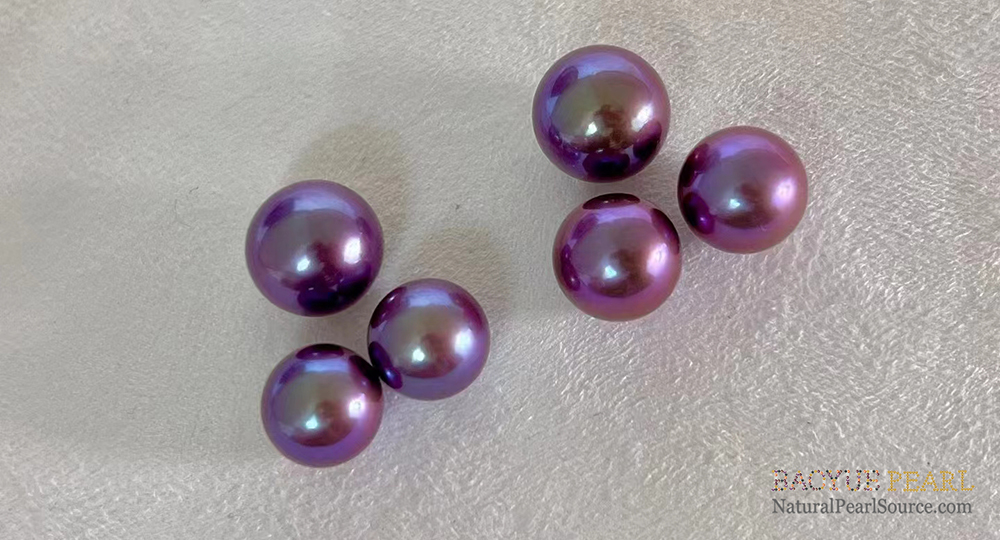
Freshwater pearls are non nucleated pearls produced in rivers and streams, mainly cultivated using triangular sail clams. Zhuji in Zhejiang, Suzhou in Jiangsu, and Hubei in China are the main production areas, accounting for 95% of the world's production. Among them, Zhuji is known as the "hometown of Chinese pearls". Its shape is mostly elliptical or flattened, with obvious surface wrinkles and small bead diameter, widely used as a raw material for cosmetic pearl powder. Colors include white, pink, purple, and other color schemes. In recent years, circular freshwater AKOYA, Edison pearls, and rare fantasy purple varieties have been cultivated through technological improvements.
The history of pearl utilization in China can be traced back to the period of Emperor Yu, and the "Book of Documents Yu Gong" records that river clams produce pearls. The Zhou Dynasty began to use pearls for decoration, while the Han Dynasty divided them into North Pearl (Northeast Freshwater Pearl) and South Pearl (Guangxi Hepu Sea Water Pearl). After the depletion of resources in the Northern Pearl River during the Qing Dynasty, the focus of aquaculture shifted to the Yangtze River Basin. Modern freshwater pearl farming began in the 20th century, with a cultivation scale of approximately 800000 acres in the six provinces along the middle and lower reaches of the Yangtze River. The Song Dynasty had already mastered the technology of artificial pearl cultivation, and modern large-scale breeding technology was first industrialized in Japan. At the end of the 20th century, Duchang County in Jiangxi Province broke through the cultivation technology of freshwater nucleated pearls and built a pearl shell industry cluster with an output value of over 1 billion yuan.

What Is An Akoya Pearl ?

What is an Akoya Pearl and what makes Akoyas special? With the fashion world embracing pearls like never before, there is quite a buzz about pearls these days, prompting Vogue to ask earlier this year, “Are Pearls the New Diamonds?” With the pristine white wonders of mother nature showing up on runways, red carpets and IG feeds, everyone is talking pearls. And we do mean everyone – not just the ladies. This gender fluid gem has captured the limelight with both male and female celebrities, as fashion houses turn to pearls as a powerful symbol of status and sophistication.

What Is Tahitian Pearl ?

Tahitian black pearls are a specialty of salt lakes in French Polynesia, South Pacific. They are exceptionally precious and are known as the Queen's Pearl and the Queen of Pearls.
Tahitian pearls, also known as black pearls, are treasures found in the black lipped pearl oysters that grow in the waters of Tahiti, French Polynesia. This unique sea area provides unique conditions for the growth of pearls. However, the cultivation process of Tahitian pearls is quite difficult. The cultivation of pearl oysters not only has a long cycle, but is also prone to death. In addition, factors such as weather and water quality make these pearls particularly precious. Therefore, Tahitian pearls are known as the "Queen's Pearl" and the "Queen of Pearls".
🌍 Place of Origin
Tahitian black pearls are mainly produced in the Tahiti Islands of French Polynesia, where 95% of the world's Tahitian black pearls originate.
📏 size
The size of Tahitian pearls is usually between 8 millimeters and 18 millimeters, which is larger than ordinary freshwater pearls and saltwater pearls and has greater ornamental value.
✨ gloss
High quality Tahitian pearls have a strong luster, with a rounded surface, and even some high-quality black pearls have a luster so strong that they can reflect human figures. When turning the pearl, the accompanying color and halo will be very noticeable.
🖤 color
The color tone of Tahitian pearls is mainly black, but not completely pure black. Instead, they are accompanied by other bright colors such as peacock green, deep purple, sea blue, etc. Each pearl's color is unique. These accompanying colors and luster together constitute the unique charm of Tahitian pearls, making each pearl appear extremely precious.
💔 flaw
Pearls often have defects such as needle marks, threads, and dents on their surface, which can affect their quality and price. The number of perfect Tahitian black pearls is extremely small.
🌈 shape
Let's not worry about the price of irregular pearls for now. All other conditions being equal, the closer the price is to a regular circle, the higher the price.
📜 certificate
Identifying genuine research certificates from Japan is definitely not wrong, with grades divided into:
Lagon (Green Series): The highest quality black pearl. Lagon is not all green.
Platinum Grey (Blue): The highest quality of grey pearls.
Sunset Black (Red Series): The highest quality of the red series. Slightly glowing red, with a sunset like color, very rare.
Black Butterfly Queen (Other Colors): The highest quality mixed color black pearl. The matching difficulty is high and the quantity is very small.
Peacock Green (Green Series): This rating focuses more on color, with a green tone and a surface finish lower than that of Lagon.
Ocean blue: The most lustrous gray black pearl with a blue hue. The surface smoothness is lower than that of platinum gray.
Floating Pearl Islands in the South Pacific (Other Colors): The most lustrous mixed color black pearl with a surface finish lower than that of the Black Butterfly Queen.

What Is South Sea Pearl ?

The South Sea pearls, also known as South Sea pearls, are produced in the South Pacific Ocean, with three major origins in the northwest waters of Australia, Indonesia, and the Philippines. Due to its abundant production in Australia, it is generally referred to as the Australian South Sea Pearl. The mother shell of Nanyang pearls is the white butterfly shell, which is the largest in size. The general diameter of Nanyang pearls is 10-15 mm, with the largest visible at 18 mm. The largest diameter of Nanyang pearls in history was 21 mm.

The South Sea pearls, also known as South Sea pearls, are produced in the South Pacific Ocean, with three major origins in the northwest waters of Australia, Indonesia, and the Philippines. Due to its abundant production in Australia, it is generally referred to as the Australian South Sea Pearl. The mother shell of Nanyang pearls is the white butterfly shell, which is the largest in size. The general diameter of Nanyang pearls is 10-15 mm, with the largest visible at 18 mm. The largest diameter of Nanyang pearls in history was 21 mm.

Types of South Sea Pearls
1. Nanyang Golden Pearl
The mother oysters that produce golden pearls are mainly the golden lipped oysters, which are mainly distributed in Australia, the Philippines, Indonesia, and other places. The pearl fluid secreted by these oysters varies from light yellow to dark gold.
Its texture is very good, so it is very precious. It is the top grade among pearls. Because this type of shellfish is very selective and requires good air quality, pure water, suitable water temperature, open bays, and areas with few typhoons for cultivation, the yield is not high.

2. White Pearl
Nanyang white pearls refer to those produced in Australia, Indonesia and other places, and are cultivated from white lipped oysters and mother of pearl oysters. Due to its enormous size, the diameter of the pearls it cultivates is generally between 10-15mm, with a maximum visible diameter of 18mm.

BAOYUE PEARL STRAND WHOLESALE

BAOYUE PEARL wholesale natural freshwater pearls All sizes All grade with low prices.

BAOYUE Pearl provide Pure pearl and natural pearl with farm direct price, we are professional Pearls Wholesale from China, We focus on Freshwater pearl wholesale, Akoya pearl wholesale, South Sea Pearl Wholesale, Tahitian Pearls Wholesale and Baroque Pearl Wholesale many years, and We have been committed to providing high quality and low cost pearl powder materials and pearl jewelry accessories to customers around the world.
We supply Natural Culturing Pearl and Natural Pearl with "Factory Direct Price " to the all pearl jewelry wholesalers and pearls accessories manufacturer around the world.

Why Choose BAOYUE PEARL ?
1. Farm Direct Price
BAOYUE Pearl set up in 2011. We are professional Natural Pearl wholesale and Manufacturer which is located in Zhuji , Zhejiang of China. the biggest freshwater pearls Hometown in the world. we focus on supplying natural pure pearls from China, we offer lowest “Farm-Direct” Price to our customer.

2. Natural Pearl Strand Wholesale
We are natural pearl strand supply chain professional wholesale, which is experienced in providing freshwater pearl, Akoya pearl,Tahitian pearl, South Sea peal and Hanadama peal with "Direct Factory Price", BAOYUE Natural Pearl Strand bring Chinese Factories Prices + Different Countries Service Culture under the one roof, we are professional Pearls Wholesale.

3. Extensive Experience
BAOYUE natural pearl source didn’t just “pop up on the Internet overnight”. We have many Years working in supplying high quality natural pearls and natural pearls production and sale industry, both inside and outside China, exporting to a wide range of countries. We know what customers expect and how to consistently deliver it.

4. High Quality Guarantee
One of the pitfalls to watch out for when dealing with overseas factories is when the samples get an “4A” grade but the actual products get an “A”, With BAOYUE, Our Experienced QC Check natural pearl strands and orders carefully and strictly, for Every order before shipment to give you peace of mind that what you ordered is what you will receive, We always adhere to integrity-based.

5. Large Stock Pearls
NaturalPearlStrand provide abundant cultured pearl Stock source of various shapes, sizes, colors and origins, BAOYUE PEARL export large quantity freshwater pearl strand to clients around the world. our output is over 1 million strands every year. Fast Shipping: 1-2 days (Stock). So please don't worry if we can supply sufficient stock natural cultured freshwater pearl strand and arrange shipping on time.

6. After-Sale Services
We want and expect you to be thrilled with your purchase, but to provide you peace of mind, we offer a 30 days return policy for most of our products. any question, please feel free to contact our sales once you receive goods. we will try our best to help you, you only need to pay some express cost and we trust our sincere service builds a bridge of our friendships.

PEARL EDUCATION:

Got a question about a product? Need someone to help guide you through our website?
Got feedback?

Go to the link: BAOYUE Pearl Education page to get some relevant articles about pearl knowledge.
If you have other questions, please feel free to contact us at any time.

Shipping Cost and Sales Tax - Click the Image to know more...


Natural-pearl-wholesale-arrow-down-
bottom-contact-from-BAOYUE-Pearl-

Contact Us

    This form uses Akismet to reduce spam. Learn how your data is processed.

    PEARLS WHOLESALE

    PEARLS WHOLESALE

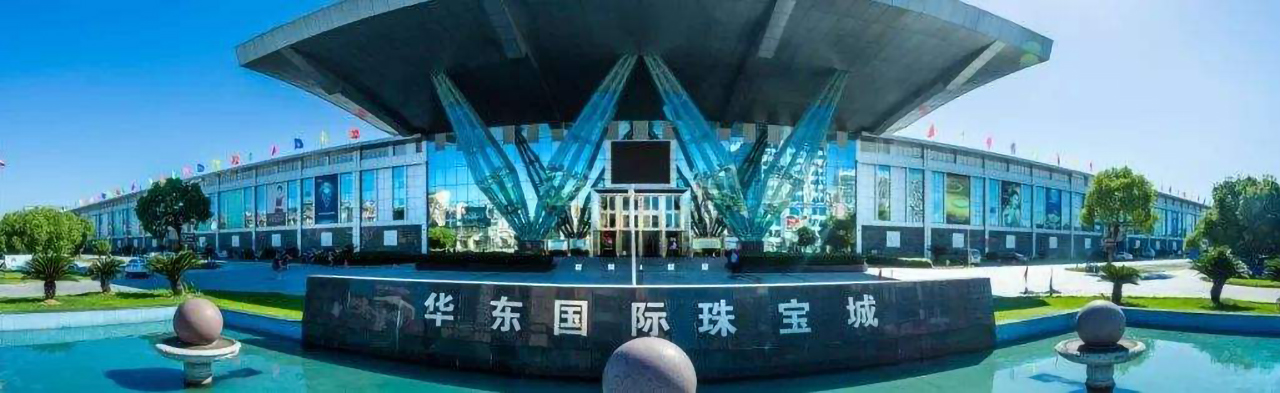
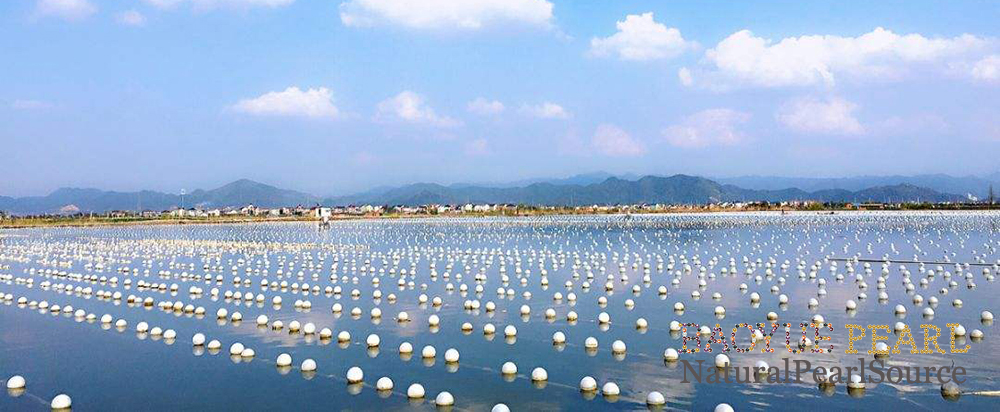
    "The world's pearls look at China, and Chinese pearls are in Zhuji". The first-generation pearl market in Zhuji was born in 1982 and is the sixth-generation pearl market in East China International Jewelry City. After more than 30 years of development, Zhuji's freshwater pearl cultivation area has reached 380,000 mu, and its annual output accounts for 73% of the world's total freshwater pearl output and 80% of the national total. There are more than 1,500 pearl processing enterprises. Zhuji Shanxia Lake has become the world's largest freshwater pearl cultivation, processing and trading center.

    The annual transaction volume of freshwater pearls in the market accounts for the whole country. It accounts for 80% of the total and more than 75% of the world's freshwater pearl trading volume, laying the foundation for becoming the world's freshwater pearl trading center.East China International Jewelry City is a global pearl jewelry production and processing center, distribution logistics center, brand display and trade center, capital circulation and business release center, jewelry cultural exchange and business tourism shopping center.

    BAOYUE Pearl has in-depth cooperation with more than 20 pearl farms in Zhuji Pearl Bases, and we are committed to providing high-quality, low-cost freshwater pearls to pearl buyers around the world. Every year we help Akoya pearl lovers to purchase Japanese Akoya pearls, South Sea pearls, Tahitian pearls for more than 1 million US dollars, we focus on providing a stable source of pearls for the world pearl jewelry market.
    BAOYUE PEARL are Wholesale Pearls Source from China - All Colors, All Shapes, All Sizes, Small Minimum Order Quantity.

    Why pay high prices to middlemen for real freshwater pearl jewelry when you can get wholesale priced pearls from BAOYUE PEARL and make pearl jewelry like pearl necklaces and earrings for you at a discounted price? You can buy any colored cultured pearls or pearls in oysters with zero risk directly from the world's largest freshwater pearl farm, which offer a 30 days return policy for most of our pearls. any question, please feel free to contact our sales once you receive goods. we will try our best to help you, we trust our Sincere service builds a bridge of our friendships.

    If you want to know some information about pearls and our company, please go to BAOYUE pearl Education to read relevant articles. If you are looking for Pearls Wholesale and real natural pearl source. Any question, please don't hesitate to contact BAOYUE PEARL, enjoy browse.
    Check the below information to navigate quickly to specific BAOYUE Pearl Wholesale services, or read the whole guide.

    Chinese Freshwater Pearls Wholesale

    Chinese freshwater pearls have a history of thousands of years and are enduring and have always been popular with female friends. Chinese Freshwater pearls are mainly produced in lakes and ponds in the middle and lower reaches of the Yangtze River. The cultivation of freshwater pearls in China is mainly distributed on both sides of the middle and lower reaches of the Yangtze River, such as Zhejiang, Guangxi, Jiangsu, Anhui, Hubei, Hunan and Jiangxi province.

    Chinese freshwater pearl production is huge, but the sales output value are less than 8% of the world's total sales. When it comes to the production of freshwater pearls, no other country has China's large aquaculture production capacity. The main reason is that China's freshwater pearls The quality is relatively low. Although the output is huge, the quantity of high-quality pearls is very small, so it is very difficult to win by "quantity". Therefore, in the coming years, we are also gradually improving the culture technology of freshwater pearls, cultivating Edison Freshwater Pearls whose quality is comparable to that of seawater pearls. Get even bigger !

    Freshwater pearls or Saltwater pearls ?

    This kind of comparison is meaningless and not absolute, each has its own advantages and disadvantages, and everyone has different opinions and preferences, so there is no conclusion. If the overall appearance is compared, seawater pearls are better than freshwater pearls; if similar quality seawater pearls and freshwater pearls are compared, the price of seawater pearls will be much more expensive than freshwater pearls, but don’t forget that seawater pearls are nucleated. Cultured pearls, while freshwater pearls are seedless; top freshwater pearls are no worse than seawater pearls, but by contrast, freshwater pearls are more scarce.

    The Chinese freshwater wholesale business in China has a long history. Freshwater pearl cultivation is widely distributed all over the coast of China. The only freshwater pearl production base in China is the Zhejiang Zhuji International Pearl Wholesale Market, and the Zhuji Xiashan Lake freshwater pearl breeding base is a steady stream of freshwater pearls in China. Export trade provides a steady supply of pearls.
    BAOYUE PEARL has long been adhering to the first source of pearls for pearl buyers all over the world. It provides high-quality freshwater pearls with high quality and low price for pearl jewelry manufacturers in various countries.
    Welcome to inquire and negotiate, your satisfaction is our eternal pursuit.


    Akoya Pearls Wholesale

    What Are Japanese Akoya Pearls ?
    Akoya Pearls are well-known for their superior luster and color. They are one of the most popular types of cultured pearls in the market in recent years. Akoya cultured pearls are formed in the Pinctada Fucata oyster. These oysters are thriving in the hidden bays off the coast of Japan in the cold saltwater of the Pacific Ocean about two years to allow the Akoya pearl to form with highest thickness of nacre.

    Though Akoya pearls are smaller than South Sea Pearl and Tahitian Pearl, Akoya pearls are reputable for their superb luster and its perfectly round shape, moreover, Akoya Pearls have beautiful color, which always make them as the first strand of pearls for women and designers.

    BAOYUE PEARL have over 12 years experience to help customers to get Japan Akoya pearls with Farm direct prices from China, If you want to buy Akoya pearls , you need to know some important questions about Akoya pearls.
    What's akoya Pearls ? and What's the classification about Akoya pearls ? You can read those articles from BAOYUE Pearl Education to know this answers, the links:

    What's an Akoya Pearl ? and Why are Akoya pearls so special and expensive ?
    Japan AKOYA series pearls
    Hanadama AKOYA pearls

    BAOYUE PEARL aims to Adhere Product Quality, provide Quality Service and Create Extraordinary Value. Contact us for Farm Direct Prices.


    Tahitian Pearls Wholesale

    What Are Tahitian Pearl ?
    Black, colorful and mysterious, Tahitian pearls have been dazzling pearl lovers the world. Tahitian pearls are also a “ The Queen of Spades ” within the niche that is the pearl world, and many newcomers to pearls don’t know much about the black Tahitian pearls. BAOYUE PEARL in here to help you in on something you need to know before you buy Tahitian pearls necklace of your dreams.

    A Tahitian pearl is cultured by an expert grafter who inserts a mollusk shell bead into the reproductive organ of the black lips oyster "Pinctada margaritifera". After culturing, it takes approximately one to three years for the black lips oyster to produce a pearl, and less than 5% of total crops are estimated to be perfect pearls, so once harvested, the pearls must also undergo a lengthy selection process before reaching the market, which is the primary reason pearls are so rare and expensive.

    Tahitian Pearl Wholesale
    Tahitian pearls are considered to be the second most valuable commercially farmed pearls in the world. Unlike black freshwater and black akoya pearls, which have been irradiated or dyed, Tahitians come by their dark color naturally. Tahitian pearls are bead-nucleated, but unlike akoya pearls, the nacre is typically very thick. The thinnest nacre allowed by French Polynesian law for export is 0.8 mm, which is a depth that would be considered, in the akoya world, extremely thick.
    BAOYUE Pearl company collaborate with other farmers in French Polynesia to ensure a steady supply, we are One of Prodfessional Tahitian pearls wholesalers from China , and we supply high quality Tahitian Pearls with farm direct prices for customers around the world.


    South Sea Pearls Wholesale

    What Are South Sea Pearl ?

    South Sea pearls are produced by the largest pearl producing oyster, the pinctada maxima, which come in two distinct color varieties – the White-lipped oyster and the Gold-lipped oyster. As you might guess, the type of oyster influences the color of the pearl. Most South Sea pearls come from the north-western coast of Australia, while most of the golden variety comes from the Philippines and Indonesia.

    The pinctada maxima oysters grow to very large sizes, often up to 30 cm (12 inches) from end to end. South sea pearl farmers generally use a mix of wild and hatchery-reared oysters to ensure that the stock is healthy and plentiful. These oysters are among the most closely monitored by various government organizations to ensure that they are well looked after.

    Each South Sea pearl takes about 3 to 4 years to grow, which is the longest growth period for cultured pearls. The longer the pearl is allowed to grow, the larger it becomes.

    Almost all South Sea pearls on the market have been cultured. The oysters go through a process known as seeding, where the nucleus, a bead, is placed inside them via a carefully executed surgical procedure. This is done with great care and by highly skilled technicians.
    For the perfect South Sea pearl to form, conditions have to be just right. The pinctada maxima does not thrive well in conditions beyond its natural habitat, which is why the locations for South Sea pearl farming is restricted to a few regions.

    BAOYUE PEARL offer both batches of loose south sea pearls and jewelry according to customer requirements. and we wholesale lots of South Sea Pearls are separated according to size, shape, luster, and color. Contact us to get Latest south sea pearls information from our company.
    Do you want to get south sea pearls with wholesale prices? Do you want to custom one perfect south sea pearls jewelry ?
    Feel free to contact us to tell us your needing, and get latest south sea pearls with wholesale direct prices.


    Baroque Pearls Wholesale

    What Are Baroque Pearl ?

    Baroque pearls are pearls with an irregular, non-spherical shape. Shapes can range from minor aberrations to distinctly ovoid, curved, pinched, or lumpy shapes. Most cultured freshwater pearls are baroque because freshwater pearls are mantle-tissue nucleated instead of bead nucleated. Cultured saltwater pearls can also be baroque, but tend to be more teardrop-shaped due to the use of a spherical, nucleation bead.
    These are imperfect pearls of irregular shapes and sizes, with dented and uneven surfaces. They often exhibit beautiful luster and colors.

    Interestingly, the imperfections aren’t seen as flaws when it comes to baroque pearls. Rather, they are celebrated for their uniqueness. No two baroque pearls will be exactly alike and every piece of jewelry that utilizes baroque pearls showcases something different.

    Freshwater Baroque Pearls Saltwater Baroque Pearls Wholesale - BAOYUE PEARL 
    Whether its gemstone Baroque pearls, beading supplies or charms, Whether Freshwater baroque pearls or Saltwater Baroque Pearls, BAOYUE PEAR affordable baroque pearls are the best value beads online. Because we buy Baroque Freshwater Pearls in volume, we can pass the savings on to you. No matter if you are baroque pearls wholesale, or pearls jewelry idea, our friendly and knowledgeable representatives are ready to help.

    Check out BAOYUE PEARL Baroque Pearls Wholesale category to find out what we have. if you have any question or baroque pearls, feel free to contact us . and you also can go to BAOYUE Pearls Education to read some relevant articles.


    Get more pearl grading by type?
    Click the links below to head directly to each Pearl Grading Guide:


    What Causes Luster In A Pearl?

    What Causes Luster In A Pearl?

    For cultured pearl experts, luster is the single most important indicator in evaluating pearl quality. Luster is what separates the superior from the inferior and the extraordinary from the ordinary. The luster of the pearl comes from the reflection (change in direction of a wave passing from one medium back to the same), refraction (change in direction of a wave passing from one medium to another), the diffraction (when a wave meets an obstacle) of light through the translucent layers. The more layers and the thinner they are, the better the luster. The iridescence of a pearl is caused by the overlapping of layers- they break up the light falling on the surface.

    Luster is the visible phenomenon that occurs when light strikes the surface of the pearl and also penetrates through the various layers of aragonite platelets and is reflected back at the viewer. The tighter and more compact the layers of nacre are, the more intense the pearl’s luster will appear.

    A pearl’s luster is one of its most prized attributes. Ideally, pearl lovers look for crisp and highly reflective luster that displays sharp, easily distinguished lines from reflected light sources. 


    The new kids on the blog (lol), pearls with metallic luster are very intriguing. Many people want to know how a pearl can have ‘metallic’ luster. Certain pearl types like the saltwater Japanese Akoya are more likely to display sharper luster than others.  A very large reason behind this is due to the rate at which the mollusk, or oyster, secretes its nacre. The rate of nacre deposition is in turn affected by the animal’s environment and water temperature.

    Oysters that live in warmer climates (such as the large South Sea pearl oyster, Pinctada maxima, native to Australia and the Philippines) have a higher metabolism, so they tend to secrete their nacre at a faster rate. This leads to what we generally term as “Satiny” luster, which appears as somewhat soft and diffuse around the edges, as seen below. 

    I like to describe it as "touchable" as these pearls have a deeper glow that begs to be touched, rather than a bright shininess. 

    The Akoya pearl oyster is indigenous to the colder Pacific Ocean waters of Japan, China and Vietnam.  

    These small saltwater oysters secrete smaller crystalline aragonite platelets that are laid down much more slowly and much more tightly, resulting in a higher, sharper rate of luster. Akoya pearls are often said to have "ball bearing" or a "mirror-like" luster - these pearls are famous for their bright, highly defined reflections and shine. Check out these AAA Quality and Hanadama Quality Akoya pearls below:

    So where do Metallic Freshwater pearls come in? 

    Metallic Freshwater pearls are pearls that display luster that is so sharp, so crisp, that they literally appear to have a metallic surface. Scroll back up and check out the White Metallics I posted earlier to refresh: stunning right?!

    Basically, Metallic Freshwater pearls' crystalline layers are extremely tight and compact. When light strikes the surface of these pearl, it is reflected back at the viewer with a maximum amount of white light.

    As I said earlier: every pearl type has the ability to produce pearls of this nature, but Metallic Freshwater pearls make up less than 1% of any pearl harvest so they’re definitely a rare treat !

    Colorful Freshwater Pearl displaying Metallic Luster. Notice the highly defined light sources reflected in the pearl’s surface.

    Hanadama and AAA Quality Japanese Akoya Pearls Displaying Mirror-like Luster.
    I hope this answers some questions about pearl luster! If you have any questions about pearl formation, the phenomenon of luster or anything about pearls really, feel free to leave it in the comments and I will do my best to answer you within 24 hours.

    Get more pearl grading by type?
    Click the links below to head directly to each Pearl Grading Guide:

    Pearl Grading

    An Insider Guide to Pearls Grading - Pearl Grading & Quality Factors

    Wanna know a Secret about Pearl Grading ?
    Pearl grading standards are a MESS. If you are an insider of pearl researcher, you will find a serious question about Pearls Grading , Unfortunately, there is no universal standard worldwide !

    Seriously – standards are all over the place, they vary from seller to seller, farmer to farmer and auction to auction. Walking an industry show and talking to pearl farmers entails learning as many as 30 new grading scales in day in order to navigate the pearls on offer.
    What I take with me when I go is my special grading hank that features pearls with all my grading benchmarks so I can compare pearls to make sense of it all while I’m there.
    Now, obviously you don’t have that option.

    But, what I can do is create simple breakdown of each grade’s specific standards using the A-AAA and A-AAAA Grading Scales so you know exactly what to look for when purchasing a pearl necklaces or earrings, Pearl bracelets, Pearl pendants, pearl sets, etc.
    Follow the article below to jump straight to the specific pearl grading guide you’re looking for, or read on a bit more for an overview of the popular Grading Scales in use today, and how they relate to your pearls.

    Pearls are a wonder of nature. They are formed inside of the soft tissue of a living mollusk that deposits calcium carbonate layers concentrically over and over again. The prefect pearl is completely round, smooth and lustrous. They do come in other shapes, known as baroque pearls. Almost all species of mollusks are capable of producing pearls, but these others have less shine and spherical shape. Pearls have been highly prized for centuries in many cultures. Both natural & cultured gem-quality pearls are nacreous and iridescent.

    The value of a pearl varies. There is no standardized grading system for pearl quality, but there are a number of factors that help determine the value: pearl type, rarity, size, shape, color, nacre quality and luster, and weight (for natural pearls) or size (for cultured pearls). You can learn more about the different kinds of pearls here in our Pearl Guide. And while it’s not exactly a pearl price guide per se, it should give you some idea of what to expect in terms of value.

    Pearl Value Factors (there’s 7 of them)

    Loose Akoya Pearls with Good Luster

    LUSTER - This is the biggest value factor to pay attention to.
    Luster measures the rate of reflection (how crisp and detailed it is) on a pearl’s surface, and the amount of light reflected on the pearls.
    Beautiful luster makes or breaks pearls as a gemstone - pearls without great luster can end up looking like chalky beads. Basically, the brighter, sharper and more reflective a pearl is, the more valuable it will be.

    Read More: Guide to What Causes Luster in a Pearl ?

    White South Sea Pearl Necklace

    SHAPE - generally the more perfectly round in shape a pearl is, the more rare and prized it is. However many pearl connoisseurs enjoy the unique distinctiveness of baroque pearls.
    Baroques are off-round, drop and asymmetrical in shape, and are graded according to symmetry.

    Read More: Guide to Pearl Shapes

    White Freshwater Pearl Necklace

    COLOR - While many prefer the classic white pearl, pearls come in every color of the rainbow.
    Naturally colored pearls like black Tahitian pearls or Golden South Sea pearls are graded on their color’s depth and saturation - the more strongly colored pearls will be more rare and valuable. Certain overtones or exotic body colors command premium pricing at auctions.

    Read More: Ultimate Guide to Pearl Colors

    Multi-Color Freshwater Loose Pearls

    SURFACE BLEMISHING - Pearls that feature clean surfaces without inclusions like pin-pricks, scoring marks, chalky spots and wrinkles will be much more highly valued than pearls with multiple blemishes.
    Because pearls are a product of nature however, there will always be some form of blemish - even if you can’t view them with the naked eye. This is why we will never call our pearls flawless.

    Freshwater Pearls Edison Pearls

    SIZE - Large pearls are rare in nature. The majority of cultured pearls harvests consist of pearls under 10.0mm and wild pearls in very large sizes are the rarest of the rare, so the bigger they are the more valuable they are (all other value factors being equal).

    Read More: Ultimate Guide to Pearl Sizes

    Loose Japanese Akoya Pearls

    NATURAL or CULTURED - 95% of all pearls on the market today are cultured pearls, meaning that humans played a role in pearl formation. Natural, wild pearls from the ocean are very rare and have a premium price.

    Pearls Wholesale, Professional Freshwater Pearls Wholesale, Akoya Pearls, South Sea Pearls, Tahitian Pearls from BAOYUE PEARL

    MATCHING - Describes how well pearls are matched within a pair, or an entire layout.
    For Akoya pearls, matching must be near-perfect with little to no variation from pearl to pearl throughout the entire Akoya strand. Matched pairs for Akoya earrings must feature less than 0.15mm difference – the match must be as close to exact as humanly possible.

    For South Sea and Tahitian matched pairs for earrings, a difference of up to 0.50mm is allowable between pearls. Tahitian and South Sea pearl necklaces will often feature graduated layouts (meaning pearls can range in size by a few millimeters), and multi-colored layouts are common.

    Tahitian Pearl Necklace

    AA+ vs AAA vs AAAA Pearls: What's the Real Difference?

    Buyer is Checking the Quality of the Natural Golden South Sea Pearls

    Right now, there’s no set internationally agreed upon grading scale for pearls. That means that pearl grading is subjective, depending on the seller you’re dealing with.

    My biggest concern regarding A-AAA and A-AAAA vs 6A or AAAAA+ grading scales is that instead of making pearl grading standards as easy as possible to understand, it actually creates a ton of confusion. So be careful! If you see a strange grade like AAAA++, then buyer beware.
    Here’s how that works: Instead of having AAA/AAAA representing the "best" pearl grades, the quintuple AAAAA is used to represent AAAA grade pearls, and the AAA actually represents the AA+ grade, with subsequent downgrades in pearl quality all the way down the line.
    So you think you're buying the best quality pearls at a lesser price than you'd pay here, but you're actually only getting AA+ Quality pearls, and shelling out a premium for pearls that display those "higher" grades. Often this inflation of the grading scale isn't properly described, and many customers new to pearls and unfamiliar with the intricacies of pearl grading end up disappointed.

    Pro-Tip: Ask to see a detailed description with specific criteria for each pearl grade so you know exactly where you stand. It’s easier to compare apples to apples that way.

    Explaining Pearl Grading Systems
    Naturalpearlsource.com uses both the A-AAA and A-AAAA grading scale, and what I like so much about them both are their simplicity. Grades are based upon a certain percentage of surface blemishes allowable, specific rate of luster (the sharpness of reflections) and shapes

    The A-AAA scale is used most commonly with Akoya pearls.
    Our Freshwater, Tahitian and South Sea grading scales of A-AAAA are converted from the 4-tier systems that most pearl farmers use. Pure converts all A-D Tahitian and South Sea pearl grades to the A-AAAA scale to make things easier to understand and consistent across the board.

    Akoya and Freshwater Pearl Grading

    Natural White Akoya Pearl Necklaces with Good Luster

    Cultured Akoya Pearls are graded using the Japanese Pearl Grading System, using the A-AAA Scale with the addition of Hanadama Akoya pearls representing the highest pinnacle of the pearl type.
    The A-AAA system evaluates pearls according to surface quality, Luster, and perfection of Shape (roundness and symmetry). Akoya pearls are also graded on Nacre Thickness, which is a visual inspection completed by the grader rather than via x-ray analysis. The only exception to this is for Hanadama pearls which are x-rayed at the Pearl Science Laboratory in Tokyo.

    Japanese Akoya Pearl Grading Scale

    Cultured Freshwater pearls are graded using a version of the Chinese Pearl Grading System which separates pearls into Class I, Class II, Class III and Class IV grades according to Surface Quality, Luster, Matching and perfection of Shape (roundness and symmetry).
    In order to simplify this classification system and maintain consistency with other popular grading systems, many vendors convert this Class system to a whole letter A-AAAA Scale. Class I pearls would be the highest grade, with Class IV representing the lowest pearl grades. Much of the Chinese Grading System utilizes the Japanese A-AAA Grading System to evaluate pearls (Luster and Surface Quality mainly), and ditches the "+" signs, relying on whole-letter grades instead.
    See the chart below for a detailed breakdown of theA-AAAA system and the statistical benchmarks pearls need to meet in order to make the grade.
    breakdown of the A-AAAA system and the statistical benchmarks pearls need to meet in order to make the grade.

    China Freshwater Pearl Grading Scale

    NaturalPearlStand' Pearl Quality Policy:

    We stock large quantity natural freshwater pearls and Akoya pearls grade from A grade to AAAA grade or AAA grade for customers around the world, we supply big quantity China freshwater pearls with farmers direct prices.
    If you are looking for cheap China freshwater pearls or baroque pearls, or if you are looking for natural Akoya pearls source with farm direct prices.

    Congratulations ! You come to right place.

    It's a good choice to cooperate with us to get cheap Natural Pearls and Natural pearl strand with farm direct prices. BAOYUE Pearl focus on Natural Pearls Wholesale , Freshwater Pearl strand Wholesale, Akoya Pearls Wholesale, Tahitian Pearls Wholesale, South Sea Pearls Wholesale, Baroque Pearls Wholesale over 12 years. our company is located in the world's largest freshwater pearl production base -Zhuji, Zhejiang of China , Over 85% of the freshwater pearls exports come from Zhuji, Zhejiang of China. we provide big quantity natural pearls to customers around the world.

    In order to meet the large demand of our customers who need to buy pearl materials, Every year, our company natural pearls material is not enough, we need to purchase a large number of natural pearls from high-quality farmers here also, the farmers will classify and screen various types of pearls according to the needs of our customers. and our experienced quality inspectors will inspect and classify the purchased pearls in strict accordance with the international pearl classification standards, We have been committed to providing high-quality and low-cost pearl materials and pearl jewelry to customers around the world.

    If you have any question about cheap China freshwater pearls, feel free to contact us to get a free quote.

    Zhuji Cultured Freshwater Pearls and Edison Pearls Small Town


    Tahitian and South Sea Pearl Grading

    Tahitian Pearls Different Shapes

    Tahitian and South Sea pearls are primarily graded according to Shape, Surface Quality and Luster.
    Variations in pearl body color, overtones and color saturation levels (with as many as 80 “official” variations ! ) mean that the value factors for Color need to be evaluated individually.

    Tahitian Pearl and South Sea Pearl Grading Scale

    Pro-Tip: Tahitian cultured pearls must have a minimum nacre depth of 0.8mm per side (so 0.16mm total) in order to qualify for export. Harvests are examined and certified at random by the Perliculture Department of the Pearl Ministry for nacre thickness. Average nacre thickness for Tahitian pearls remains at 1.0mm depth or more.

    NaturalPearlStrand' Pearl Quality Policy:
    To maintain a high level of quality for all my customers, I stock also A-AAA Quality Tahitian and South Sea Natural Pearls. Welcome to contact us to get cheap Tahitian natural pearls with farmer direct prices, if you want to get Gem Tahitian pearls with the brightest luster and prettiest overtones, please contact our sales to check what we can help you to get.

    What’s the deal with AA/AAA type grades?

    Akoya Pearls Necklace with Pearl Identification Certificate

    With full strand pearl grading, there will be layouts that combine many AAA Quality and AA Quality, or AAA and AAAA Quality pearls. This is done to maintain a consistent “tone” throughout the necklace in terms of matching for size, overtone or luster, and also to ensure price points remain reasonable.

    These strands would be graded as AA/AAA or A/AA or AA/A, and so on. Essentially, what this means is that a layout could have a AA Quality rate for Surface Blemishing, but fantastic AAA Quality Luster (or vice-versa, with very clean pearls and medium-grade luster), and so receive a AA/AAA Quality grade.

    A Note About "Gem" Grade Pearls.

    Gem Tahitian Pearls with Peacock Green Color

    It is true that with pearls and other precious colored gemstones that there will always be a better "best of the best" specimen than what fits in the A-AAAA Scale … pearls that cannot be sold at a "lot price". This is not to be confused with ‘AAAA’ pearls !

    Gem Quality pearls are rare strands or pearls come along once in a while with unparalleled luster, nacre thickness, crystalline transparency, orient, etc., and simply must stand on their own and be priced out individually based upon what the market will bear.
    I always keep a special eye out for rare and beautiful pearls on buying trips each year, and regularly send out special email updates for collectors about the newest treasures I come across. These items are not typically offered on the site as a standard item to be ordered due to rarity and pricing issues (and they move fast !).

    Feel free to contact us directly if you’re looking for one of a kind, rare items at: info@natrualpearlstrand.com or sign up for the Collector’s Email List.

    Common Pearl Blemishes
    The inclusions in an Emerald are known in French as “les jardins”, or “the gardens”, and each one is totally unique – a built-in identification system of sorts actually – pearls are just like an Emerald in that respect.

    Common Tahitian Pearls Necklace

    Pearls are what’s known as ‘organic gemstones’. They are the creations from a biological process (the others being coral, amber, jet and ivory), and as such will feature growth characteristics … kind of like Mother Nature’s fingerprints on her creations.
    In this section we’re going to learn how to tell what a blemish is, and what it is not. The slightly circled Tahitians pictured above are a perfect example to work with as they feature a good variety of common inclusions, as well as typical growth features that aren’t considered inclusions at all.

    Cotton Tahitian Pearls Necklace

    Common Pearl Blemishes Include:

    A. Dents/Divots:  Medium to large indentations in the nacre. These can be deep or shallow, match the body color of the pearl, or be a brownish/greyish color.

    B. Score Marks:  Scoring is usually light, pencil thin (or slimmer) lines in the nacre. The majority of the time, these marks are colorless and usually not noticeable.

    C. Bulleting/Mottling:  A light plating pattern formed on the surface of the pearl while the pearl is formed inside its host oyster. Mottling is not considered an inclusion, as it is actually indicative of thick nacre layers and does not count against the pearls A-AAA grade.

    D. Knobs/Tips:  These are growth characteristics, and not necessarily determined to be inclusions. These extrusions form on the end of a baroque-shaped pearl, and can be long or short, bubble-like or pointed. These knobs and tips do not usually affect the durability of the pearl as long as they are not chipped. These features can add touches of unique, artistic flair to a baroque strand of pearls.

    E. Pin pricks:  Very small indentations in the nacre. These can be small, individual marks, or grouped together to create a larger area of surface blemishing. Pin prick inclusions do not affect the long-term durability of the pearl, and are colorless or match the pearl’s body color.

    F. Circles:  Circling is also another growth characteristic of baroque pearls, with concentric rings running around the circumference of the pearls. They can be very subtle, or grouped together heavily, and impart a one-of-a-kind artistic look to the pearls. 

    Tips:  Other pearl inclusions include: wrinkles, blinking, chalky spots, flat spots, ridges and pitting

    Got a question about a product ? Need someone to help guide you through our website ?
    Got feedback? Go to  BAOYUE Pearl Education page to read some relevant articles about pearls.
    For Normal Questions, please check FAQ , and for other question, feel free to Contact Us , we make it easy for you to get in touch with us !

    Get more pearl grading by type?
    Click the links below to head directly to each Pearl Grading Guide: